Schedule A Call Now
A New York Sexual Abuse Lawyer For Survivors
Over 50 Years Experience \\ Get Help 24/7
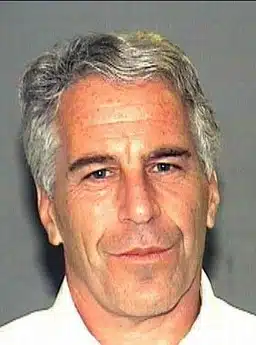
Source: Palm Beach County Sheriff's Department

Source: United States Federal Government

Source: Weill Cornell Medicine
Boarding school sexual abuse cases often remain hidden due to a combination of institutional cover-ups, victim intimidation, power imbalances, and psychological trauma that silences survivors for years. This comprehensive exploration reveals the systemic factors driving underreporting, drawing on real-world insights to empower survivors and highlight pathways to justice.
Imagine a young student, far from home, trusting authority figures in a secluded environment, only to face unimaginable betrayal. Survivors of Abuse NY Legal Experts have seen countless such stories unfold, where the very structures meant to protect children instead perpetuate silence. As dedicated advocates in this field, we understand the profound barriers that prevent these cases from being reported. Our experience handling sensitive survivor claims underscores the urgency of addressing these issues head-on.
Boarding schools operate in unique environments where students live, eat, and learn under constant supervision by staff and faculty. This 24/7 oversight creates inherent power imbalances. Teachers, dorm supervisors, coaches, and administrators hold immense authority over students' daily lives, grades, privileges, and futures. Abusers exploit this dynamic, grooming victims with favors or threats, making it hard for children to recognize or report the abuse.
Students, often teenagers navigating identity and independence, may view reporting as risking their social standing or academic prospects. The isolation from family exacerbates this; parents are distant, and on-campus reporting channels are controlled by the same institution. Our work with survivors reveals patterns where abusers position themselves as mentors, blurring lines between care and exploitation. This dependency fosters silence, as victims fear disbelief or retaliation.
Moreover, boarding schools emphasize community and loyalty, cultivating a culture in which airing grievances is seen as a betrayal. Whistleblowers face ostracism, reinforcing the code of silence. Detailed case reviews show how this environment normalizes inappropriate boundaries, delaying recognition of abuse until much later in life.
One of the most pervasive reasons for underreporting is deliberate institutional cover-ups. Boarding schools, often prestigious institutions with long histories, prioritize reputation above all. Exposing abuse risks, scandals, enrollment drops, funding losses, and legal liabilities. Administrators frequently reassign abusers internally, hush victims with nondisclosure agreements, or discredit complainants rather than investigate thoroughly.
Historical patterns demonstrate this: staff accused of misconduct are quietly moved to new roles or allowed to resign with positive references, evading accountability. Victims reporting internally encounter skepticism or gaslighting, convinced their memories are faulty or exaggerated. This institutional denial creates a chilling effect, deterring others from coming forward.
Financial incentives compound the issue. Schools invest heavily in branding as safe havens for elite education. Admitting fault undermines this narrative. Our expertise in litigating these matters highlights how discovery processes uncover emails, memos, and meeting notes revealing deliberate concealment. Survivors often learn years later through media exposés or lawsuits that their cases were known but buried.
Sexual abuse inflicts deep psychological wounds, including shame, guilt, self-blame, and dissociation. Victims internalize the trauma, convincing themselves they are at fault or that disclosure will destroy lives. In boarding school settings, where peers witness or hear rumors, additional layers of humiliation silence survivors.
Post-traumatic stress disorder (PTSD), depression, and anxiety manifest as repressed memories or delayed recall. Many only process the abuse in adulthood, triggered by therapy, current events, or similar stories. The grooming process—where abusers normalize behavior—further confuses victims, leading to self-doubt.
Our interactions with survivors illustrate this: one client recalled years of "special attention" from a counselor, only recognizing it as abuse decades later during counseling. Fear of not being believed, especially against "respected" educators, perpetuates silence. Without support networks, victims carry the burden alone.
Abusers in boarding schools masterfully groom victims, starting with building trust through gifts, extra privileges, or emotional support. This escalates to isolation, secrecy oaths, and threats. Victims are manipulated into believing the relationship is mutual or deserved, eroding their ability to report.
Dormitory life provides ample opportunities: late-night check-ins, private tutoring, or extracurricular activities away from prying eyes. Peers may be complicit or coerced into silence. Detailed survivor accounts describe how abusers use authority to enforce compliance, warning of consequences like expulsion or family disappointment.
This psychological warfare ensures underreporting. Victims emerge doubting their experiences, especially when abusers continue thriving professionally.
Boarding schools often lack independent, confidential reporting systems. Internal hotlines or counselors report to administration, creating conflicts of interest. Students fear escalation to abusers or peers, leading to retaliation.
Without external oversight, reports vanish into bureaucracy. Training on recognizing abuse is minimal, and staff may misinterpret signs as teenage rebellion. Reforms like anonymous apps exist but are underutilized due to tech barriers or distrust.
Our legal practice sees cases where initial reports were ignored, allowing abuse to continue. Empowering survivors requires third-party hotlines and mandatory external investigations.
Historically, short statutes of limitations barred adult survivors from suing, as trauma delayed reporting. Recent legislative changes, like extended windows, have unlocked cases, but many remain unaware of their rights.
Schools exploit legal complexities, claiming immunity or statute expiration. Victims face high evidentiary burdens without contemporaneous proof. Boarding School Sexual Abuse Legal Support navigates these hurdles, helping survivors overcome time bars through revival laws.
Civil suits against institutions for negligent hiring, supervisory failures, or cover-ups offer avenues for justice, but intimidation deters filings.
Society often blames victims, questioning behavior or attire, even for children. In elite boarding schools, class biases portray students as privileged troublemakers. Media sensationalism amplifies stigma, scaring survivors.
Cultural taboos around discussing abuse compound this. Families may prioritize privacy over justice, pressuring silence. Breaking free requires overcoming internalized shame.
Peer pressure enforces silence; reporting isolates victims socially. Bystanders fear involvement, rationalizing incidents as pranks. Group dynamics protect abusers.
Education on bystander intervention is crucial to shift this.
High tuition creates leverage; schools threaten scholarships or references. Families fear affordability loss. Legal threats from well-funded institutions intimidate.
Limited coverage hides the epidemic. High-profile cases spark awareness, but most stay private. Advocacy amplifies voices.
Explore further resources via Contact Abuse Survivor Legal Team for confidential guidance.
Survivors can reclaim power through therapy, support groups, and legal action. Documenting details, connecting with advocates, and understanding rights are key. Recent laws empower filings decades later, holding institutions accountable.
Prevention demands transparency, training, and independent audits. Schools must foster cultures of reporting without fear.
Boarding school abuse is notoriously difficult to report due to the enclosed environment where abusers hold total control over victims' lives. Students rely on faculty for everything from meals to discipline, creating dependency that abusers exploit through grooming and threats. Institutions prioritize reputation, often covering up incidents by reassigning staff or discrediting victims. Psychological factors like shame and fear of disbelief compound this, with many survivors only recognizing the trauma years later. Without independent reporting channels, internal processes favor the school. Legal barriers, such as expired statutes, further deter action until recent reforms. Our experience shows survivors face retaliation risks, including academic sabotage or social isolation, making disclosure feel impossible. Breaking this cycle requires external support, confidential counseling, and awareness of extended filing windows that now allow justice decades after the fact. Understanding these layers helps validate experiences and encourages seeking professional help early.
Power imbalances in boarding schools stem from the authority adults wield over isolated minors. Faculty control schedules, evaluations, and privileges, positioning abusers as irreplaceable figures. Grooming begins innocently, escalating to coercion where victims fear consequences like poor grades or expulsion. This dynamic instills loyalty and doubt, prompting students to question their perceptions. Peers reinforce silence through group norms against snitching. Administrations exploit this by framing reports as disloyalty. Long-term trauma manifests as self-blame, delaying disclosure. Cases we've handled reveal how abusers use confidential roles, like dorm parenting, for unchecked access. Overcoming this demands recognizing the manipulation and accessing neutral third-party resources. Therapy helps unpack these dynamics, while legal experts guide accountability without institutional interference. Awareness campaigns targeting students can normalize reporting, reducing imbalance effects.
Institutions cover up abuse to safeguard reputations, enrollment, and finances. Exposure threatens donor support and prestige, prompting quick resolutions like quiet firings or settlements with gag orders. Internal investigations lack objectivity and often conclude without action. Documents later uncovered in litigation show deliberate concealment, including shredded records or coached testimonies. Fear of chain reactions—more victims emerging—fuels denial. Leadership views single incidents as manageable risks versus systemic scandals. Our litigation uncovers patterns where known abusers were protected, allowing continued harm. Victims face gaslighting, labeled as attention-seekers. Recent laws mandating reporting challenge this, but cultural inertia persists. Transparency reforms, like public registries and independent auditors, are essential. Survivors benefit from lawyers experienced in piercing institutional veils, securing compensation, and forcing policy changes.
Psychological effects include profound shame, guilt, and dissociation, leading victims to suppress memories. Grooming convinces them the abuse was consensual or deserved, fostering self-doubt. PTSD symptoms like flashbacks and hypervigilance isolate survivors, while depression erodes motivation. Fear of family disappointment or social fallout adds barriers. In adulthood, triggers like news stories prompt recall, but stigma lingers. Boarding school isolation amplifies this, without immediate support. Therapy modalities like EMDR help process trauma, rebuilding confidence. Support groups normalize experiences, reducing isolation. Legal consultations provide validation without pressure. Understanding these effects demystifies silence, encouraging gradual disclosure. Early intervention prevents compounding mental health issues, empowering survivors toward healing and justice.
Yes, recent legislative changes extend statutes of limitations, creating look-back windows for childhood abuse claims. Survivors now file civil suits up to age 55 or beyond under revival provisions. Institutions face liability for negligence regardless of the passage of time. Evidence like witness statements, patterns of behavior, and institutional records strengthens cases. Our firm successfully navigates these laws, securing settlements despite delays. Victims need not confront abusers directly; anonymous filings protect privacy. Compensation covers therapy, lost wages, and pain. Consulting specialists ensures rights maximization. Public awareness grows with high-profile verdicts, validating delayed reports. While challenges exist, such as fading memories, expert investigation can reconstruct facts. This evolution offers hope, transforming silence into accountability.
Grooming desensitizes victims, presenting abuse as special attention or love. Abusers test boundaries with compliments, gifts, then secrecy and threats. In boarding schools, constant proximity enables this progression unnoticed. Victims bond with manipulators, fearing loss of support. Peers may envy the attention, dismissing concerns. This erodes reality testing, delaying recognition. Adult hindsight reveals patterns, but initial confusion silences. Deprogramming through counseling breaks the spell. Legal actions expose grooming tactics via communications or testimonies. Prevention education teaches red flags early. Survivors reclaim narratives by sharing stories, dismantling groomer power.
Schools should implement independent hotlines, third-party investigators, and anonymous apps. Mandatory training equips staff to spot grooming without bias. Zero-tolerance policies with swift external reporting prevent cover-ups. Student councils with veto-proof oversight foster trust. Regular audits and survivor input refine systems. Partnerships with child protection agencies ensure follow-through. Culture shifts via assemblies normalize disclosure. Metrics tracking reports gauge effectiveness. These steps, proven in proactive institutions, dramatically reduce underreporting.
Evidence includes personal accounts, medical records, communications, witness statements, and institutional documents. Patterns of complaints or reassignments bolster cases. Digital footprints like emails prove knowledge. Expert psychologists validate trauma consistency. Our investigators compile comprehensive dossiers, overcoming time gaps. No single proof required; totality convinces. Free consultations assess viability confidentially.
Peers enforce silence through bullying, fear, or loyalty codes. Bystanders rationalize or fear reprisal. Interventions include train spotting and safe reporting. Peer support networks encourage solidarity. Changing dynamics reduces complicity.
Therapy, hotlines, groups, and legal aid abound. Specialized lawyers offer no-win-no-fee representation. Online resources connect communities. Governments fund programs. Holistic healing combines professional and peer aid. Proactive steps yield empowerment and justice.
In conclusion, understanding why boarding school sexual abuse cases go unreported illuminates paths to reform and recovery. Survivors deserve their voices to be heard and justice to be served.
Thomas Giuffra, Esq. - The Abuse Lawyer NY
551 5th Avenue, 29th Floor,
New York, NY 10017
(646) 413-6394
Hours Of Operation
Monday: 24 Hours
Tuesday: 24 Hours
Wednesday: 24 Hours
Thursday: 24 Hours
Friday: 24 Hours
Saturday: 24 Hours
Sunday: 24 Hours
Cases We Handle
Sexual abuse lawyer
Child abuse lawyer
Clergy abuse lawyer
Private boarding school abuse lawyer
Doctor abuse lawyer
Daycare abuse lawyer
Hazing and Bullying abuse lawyer
Massage spa abuse lawyer