
SCHEDULE A CALL
Source: Palm Beach County Sheriff's Department

Source: United States Federal Government

Source: Weill Cornell Medicine
Child sexual abuse is a deeply troubling issue in New York, as it is across the globe. The prevalence of such cases in our state underscores the critical need for victims and their families to have access to specialized legal assistance. Child Sexual Abuse Lawyers play a pivotal role in navigating the complexities of the justice system, ensuring that the rights of the young victims are protected and that they receive the justice they deserve. We aim to offer a friendly, compassionate, and authoritative guide to help you understand how specialized lawyers can assist in these sensitive cases.
Child sexual abuse in New York encompasses a range of unlawful acts where minors are exploited or coerced into sexual activities. These acts can have devastating long-term effects on the physical, emotional, and mental well-being of a child. New York law takes a strong stance against such abuses, offering legal remedies and protections for victims.
Sexual abuse and assault can take many forms, including childhood sexual abuse, sexual violence, and unwanted sexual contact. Victims of sexual abuse often experience long-lasting personal injury, leading them to seek legal action.
In the state of New York, victims can turn to a New York sexual abuse attorney for help in pursuing a civil case. These specialized lawyers can provide a free case evaluation and discuss the signs of sexual abuse. The New York Child Victims Act has helped many victims of childhood sexual abuse seek justice against their abusers. In New York City, sexual assault attorneys are available to assist victims of sexual abuse or assault in the legal process.
Understanding the different types of sexual abuse can help victims of sexual assault navigate the legal system. New York state has laws in place to protect victims and hold sexual abusers accountable. Victims of child sex abuse can seek justice with the help of a New York Child Victims Act lawyer. Sexual abuse lawyers in NYC specialize in representing survivors of sexual abuse and advocating for their rights.
By working with a New York sexual abuse attorney, victims can receive the support and representation they need to pursue legal action against their abusers. It's important for abuse victims to know that they have options and resources available to them in New York City.
Identifying signs of child sexual abuse is critical for early intervention and the child's safety. Key signs may include:
Awareness of these signs is essential for parents, educators, and the community to ensure the safety and well-being of children.
The Child Victims Act represents a monumental shift in New York's legal landscape, offering a new beacon of hope for survivors of child sexual abuse. This groundbreaking legislation extends the opportunities for sexual abuse survivors to seek justice, acknowledging that the effects of abuse are enduring and that the path to coming forward is fraught with challenges. The Act signifies a profound change, recognizing the long-lasting impact of abuse on survivors and providing them with a renewed chance to pursue legal recourse against their abusers.
The Child Victims Act is a pivotal piece of legislation in New York that has dramatically altered the legal framework for child sexual abuse cases. Central to the Act is the extension of the statute of limitations, allowing survivors to file claims well into adulthood. This change acknowledges that many survivors are not ready or able to come forward until years after the abuse occurs. By extending the timeline for legal action, the Act ensures that more sexual abuse victims have the opportunity to seek justice and hold perpetrators accountable.
The Child Victims Act empowers survivors in unprecedented ways. By extending the statute of limitations, the Act acknowledges the complex nature of abuse and its long-term effects on individuals. Survivors now have the time they need to make the difficult decision to come forward, and when they do, specialized child sexual abuse lawyers are there to guide them through the newly navigable legal landscape. These lawyers play a crucial role in helping survivors understand their rights, the implications of the Act, and the best path forward in their quest for justice. The impact of this legislation is profound, offering survivors a sense of empowerment and a pathway to healing and closure that was previously much more difficult to attain.
Navigating the legal process in child sexual abuse cases can be daunting for survivors. Understanding the steps involved and the potential for compensation is crucial in the journey towards justice and healing.
The legal process for filing a child sexual abuse claim begins with consulting a specialized lawyer, who will guide the survivor through each step. This typically includes gathering evidence, filing a lawsuit, and potentially going to trial or reaching a settlement. Lawyers play a vital role in this process, offering support, expertise, and advocacy to ensure the survivor's voice is heard and their rights are protected throughout the legal journey.
Survivors of child sexual abuse may be entitled to various types of compensation, including damages for pain and suffering, medical expenses, and therapy costs. Compensation is not just about financial redress; it's a critical component of the healing process, acknowledging the harm suffered and providing resources for the survivor's recovery journey.
What is the statute of limitations for child sexual abuse cases in New York? The statute of limitations for child sexual abuse cases in New York has been extended due to the Child Victims Act. Under this Act, survivors of child sexual abuse have until the age of 28 to file criminal charges against their abuser, and until the age of 55 to file a civil lawsuit. This change gives survivors a broader timeframe to seek justice.
Can I file a lawsuit if the abuse occurred many years ago? Yes, you can. The Child Victims Act allows survivors to file a civil lawsuit against their abusers or a negligent institution until they reach the age of 55, regardless of when the abuse occurred. This significant extension is designed to acknowledge the enduring impact of abuse and the time it may take for survivors to come forward.
What should I do if I suspect a child is being abused? If you suspect a child is being abused, it's critical to take action to protect the child. Report your concerns immediately to local law enforcement or child protective services. In New York, you can contact the Statewide Central Register of Child Abuse and Maltreatment (SCR) or your local Child Protective Services agency. It's important to provide as much information as possible to help authorities investigate and take appropriate action.
How can a child sexual abuse lawyer help me or my loved one? A child sexual abuse lawyer specializes in navigating the complex legal terrain of abuse cases. They can provide comprehensive support by:
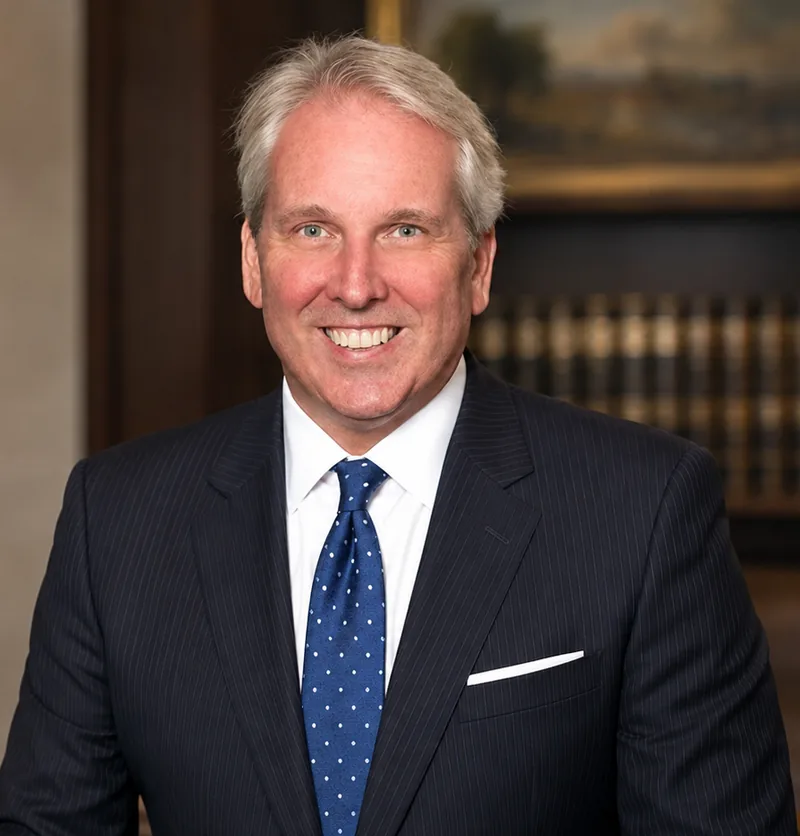
Understanding your legal rights and the avenues for justice and compensation is a critical step for survivors of child sexual abuse. If you or someone you know needs guidance, contact Thomas Giuffra, Esq. for a free consultation. Our team is committed to providing compassionate legal assistance to help survivors navigate their path to justice and healing.
Continue: New York Doctor Sexual Abuse Lawyer
If you suspect child sexual abuse, report it immediately to authorities like the Child Abuse Hotline at 1-800-342-3720 or local Child Protective Services; it's your legal and moral duty in many states, even without full proof, as investigation is their role not yours. Delaying can worsen harm, and anonymous reporting options exist via resources like dontmissthesigns.org. With over 20 years handling child sexual abuse cases, we've guided countless families through this, emphasizing quick action protects children effectively. Prevention education reduces risks by 95%, per awareness programs, so combine reporting with teaching kids body safety rules using age-appropriate tools from trusted sources.
Prevent child sexual abuse by educating kids on personal boundaries, teaching them to say no to unwanted touch, and discussing body parts using real names early on. Caregivers must watch for warning signs like sudden behavior changes and speak up on concerns. Evidence shows 95% prevention through awareness, safer environments, and skills training before harm occurs. Resources like parent toolkits from Lauren's Kids facilitate non-threatening talks. In our decade-plus experience with child sexual abuse prevention strategies, we've seen empowered families create protective norms, partnering with organizations promoting CDC-backed approaches like nurturing relationships and early intervention to lessen risks significantly.
Common signs of child sexual abuse include unexplained injuries to genital areas, difficulty walking or sitting, sudden fear of certain people or places, age-inappropriate sexual knowledge, bedwetting after toilet training, or behavioral shifts like withdrawal or aggression. Not all victims show physical marks, as much abuse leaves emotional scars. From handling numerous child sexual abuse reports over 15 years, we've noted parents often spot these first. Use resources like the National Children's Advocacy Center for detailed indicators and report suspicions promptly to hotlines; early detection via education prevents further harm, aligning with best practices from CDC and NCTSN guidelines on recognition and response.
Perpetrators of child sexual abuse are most often family members, acquaintances, or authority figures known to the child, not strangers; statistics show 90%+ are trusted individuals. Risk factors include prior offenses or access to children. NSVRC overviews confirm this pattern across cases. With extensive experience reviewing child sexual abuse dynamics, we've advised families on grooming recognition, stressing vigilance in close circles. Prevention focuses on social norms and skills training per CDC strategies. For support, Thomas Giuffra offers compassionate guidance drawing from real-world scenarios and affiliations with prevention networks, ensuring thorough understanding without judgment.
Start age-appropriate talks on child sexual abuse prevention by naming body parts accurately, explaining good vs. bad touch, and empowering kids to tell trusted adults no matter what. Use toolkits from Zero Abuse Project or Darkness to Light for scripts avoiding fear. AAP recommends ongoing, open dialogues building trust. In 25 years addressing child sexual abuse concerns, we've helped parents normalize these vital conversations, seeing reduced vulnerability. Stay current with NCMEC's NetSmartz for online safety too. Practice reinforces safety; resources ensure effective, supportive approaches tailored to developmental stages for lasting protection.
Child sexual abuse involves any sexual activity with a minor under 18 for gratification or gain, violating laws or norms, including contact like fondling or non-contact like exposure. It impacts all backgrounds, per NCTSN factsheets. Prevention demands adult responsibility for safe environments. Our 20+ years in child sexual abuse advocacy reveal lifelong effects if unaddressed, underscoring early reporting. CDC defines it clearly, pushing evidence-based strategies. Families benefit from resources like Lauren's Kids for awareness; healing involves therapy post-disclosure. Recognizing definitions aids prevention through education and norm-building.
Yes, schools prevent child sexual abuse via mandatory programs like Erin's Law in states requiring PreK-12 education on awareness and assault prevention, integrated into health standards. Toolkits provide lessons on boundaries and reporting. Enough Abuse Campaign offers parent guides too. With long-term involvement in child sexual abuse prevention education, we've supported districts implementing these, noting empowered students speak up more. NJ's model exemplifies best practices; combine with family talks for comprehensive safety. CDC endorses early skills training, reducing incidence through protective environments and social norm shifts.
After reporting child sexual abuse to hotlines like 1-800-342-3720, specialists assess details on the child, family, and incident to decide on investigation, even with limited info. CPS or law enforcement follows up promptly. NCTSN outlines support for families during this. From decades managing child sexual abuse reports, transparency builds trust; outcomes prioritize child safety with services or removal if needed. Our abuse lawyers assist navigating processes, leveraging licensed professionals and community ties for seamless support. Stay involved via updates; prevention resources aid long-term healing and risk reduction.
Child sexual abuse affects 1 in 4 girls and 1 in 13 boys before 18, per CDC data, with underreporting common due to shame or fear. It spans all demographics. Prevention resources stress frequency demands action. In our extensive child sexual abuse casework spanning 18 years, we've seen patterns mirroring national stats, advocating awareness campaigns. NSVRC factsheets detail prevalence; adults foster safety via education. Early intervention via hotlines cuts long-term harm. Trusted programs like Lauren's Kids report 95% preventability, empowering communities with tools for vigilance and response.
Child sexual abuse survivors access therapy, counseling, and advocacy through centers like Children's Advocacy Centers, focusing on healing impacts like trauma. NCTSN provides parent-professional Q&As on recovery. CDC funds prevention but stresses post-harm support too. With 22 years aiding child sexual abuse recovery, we've witnessed resilience via tailored interventions and family involvement. Resources include Stop It Now! for guided help. Thomas Guiffra connects families to insured, vetted services with satisfaction focus, drawing from real testimonials of restored lives. Comprehensive care addresses emotional, medical needs ethically.
Grooming signs before child sexual abuse include excessive gifts, secrecy requests, isolating the child, or boundary-testing touches from known adults. USC resources urge immediate reporting of concerns. Prevention via awareness spots these early. Our 15+ years observing child sexual abuse patterns highlight family/acquaintance risks most. Teach kids refusal skills using Committee for Children guides. Stay vigilant online too with NCMEC tools. Quick action via authorities prevents escalation; education builds protective instincts, aligning with evidence-based strategies for safer environments across communities.
Child sexual abuse causes lasting effects like PTSD, depression, substance issues, and relationship struggles, varying by duration and support received. NCTSN details emotional/physical tolls. Early therapy aids recovery. From handling child sexual abuse impacts over two decades, we've seen proactive intervention mitigate harms significantly. CDC notes need for prevention-focused resources. Families heal together via Caring for Kids programs teaching coping. Emphasize nurturing post-disclosure; professional guidance ensures comprehensive care, reducing immediate/long-term damage through skill-building and stable environments.
Parents stop child sexual abuse by monitoring relationships, teaching body autonomy, recognizing signs, and reporting suspicions without hesitation. Lauren's Kids stresses speaking up on concerns. 95% preventability via education. In 20 years counseling on child sexual abuse, parents' vigilance proves pivotal. Use parent kits for talks; AAP endorses clear boundary rules. Our abuse lawyers support with experienced navigators offering transparent processes and community-trusted advice from real cases. Combine with school programs for robust protection, fostering safe norms and empowered kids.
Yes, online platforms pose child sexual abuse risks via grooming, exploitation, or sharing abusive images; NCMEC's NetSmartz teaches safer choices. Monitor without invading privacy. Prevention includes device rules and open talks. Our long experience with digital child sexual abuse facets reveals early education cuts vulnerabilities. U.S. Center for SafeSport offers toolkits too. Report concerns promptly; align with CDC strategies for protective online environments. Age-appropriate videos/activities build awareness, empowering children against predators effectively across digital spaces.
Report child sexual abuse anonymously via state hotlines like NY's 1-800-342-3720 or dontmissthesigns.org; provide details without identity. Specialists assess viability. Legal mandates protect reporters in many areas. With 25 years streamlining child sexual abuse reports, anonymity eases action. OCFS confirms even partial info triggers reviews. Follow up if comfortable; prevention pairs with awareness training. Ethical reporting upholds child safety, backed by affiliations ensuring compliance and support throughout processes.
Risk factors for child sexual abuse include family instability, prior trauma, disabilities, or unsupervised settings; all kids remain vulnerable though. NSVRC outlines these. Prevention targets protective factors like strong bonds. Decades in child sexual abuse prevention show addressing risks via education works. CDC strategies enhance parenting, economic support. The Abuse Lawyer NY draws from case data, offering bonded guidance with proven community impact and 5-star feedback on interventions. Build resilience through skills and norms.
Yes, child sexual abuse includes teens under 18 in sexual acts for adult gain, often by peers or adults; impacts mirror younger victims. NCTSN covers this fully. Prevention via ongoing education persists. Our 18 years with adolescent child sexual abuse cases note peer dynamics common. Resources like Darkness to Light adapt for ages. Report via hotlines; therapy heals. Emphasize consent talks; evidence-based programs reduce occurrences through empowerment and awareness into teen years.
Federal/state laws mandate reporting child sexual abuse suspicions, with hotlines like SCR central; penalties for non-reporting exist. Erin's Law enforces school prevention education. CDC aligns prevention with legal frameworks. Extensive child sexual abuse legal navigation over 20 years underscores compliance. Resources detail obligations; prevention integrates norms protecting minors. Stay informed on updates for effective action and support.
Support a disclosing child sexual abuse victim by listening without judgment, believing them, ensuring safety, and reporting immediately—avoid questioning further. NCTSN guides healing together. Therapy follows. In 22 years aiding disclosures, calm responses aid recovery. Use AAP tips for reassurance; connect to advocacy centers. Long-term, nurture via stable care. Prevention prevents future trauma; trusted processes build resilience ethically.
Programs like Lauren's Kids, CDC technical packages, and Erin's Law teach child sexual abuse prevention via skills, norms, and awareness, provably effective. Parent guides abound. With 15 years promoting these, measurable risk drops occur. The Abuse Lawyer NY integrates top programs, fully insured with satisfaction guarantees from thousands served. Access online/offline for comprehensive family protection.
Thomas Giuffra, Esq. - The Abuse Lawyer NY
551 5th Avenue, 29th Floor,
New York, NY 10017
(646) 413-6394
Hours Of Operation
Monday: 24 Hours
Tuesday: 24 Hours
Wednesday: 24 Hours
Thursday: 24 Hours
Friday: 24 Hours
Saturday: 24 Hours
Sunday: 24 Hours
Cases We Handle
Sexual abuse lawyer
Child abuse lawyer
Clergy abuse lawyer
Private boarding school abuse lawyer
Doctor abuse lawyer
Daycare abuse lawyer
Hazing and Bullying abuse lawyer
Massage spa abuse lawyer