
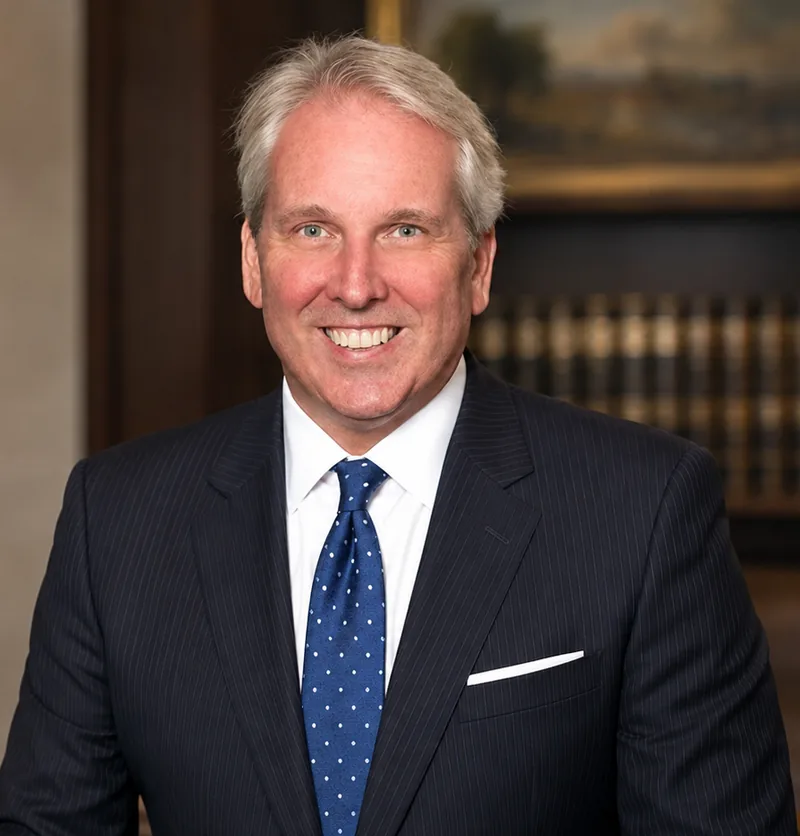
Thomas-Giuffra,-Esq.---The-Abuse-Lawyer-NY
Schedule A Call Now
A New York Sexual Abuse Lawyer For Survivors
Over 50 Years Experience \\ Get Help 24/7
BECAUSE WE BELIEVE YOU
Tom Giuffra and Sherri Plotkin - New York Sexual Abuse Legal TeamSCHEDULE A CALL

New York City Clergy Abuse Lawyer: Legal Support for Survivors of Priest and Child Sexual Abuse in NY

Need Experience? We Have Represented Clients Against These Guys

Harvey Weinstein 2011 Shankbone
Harvey Weinstein
Lawyers that sued Jeffrey Epstein For Sexual Abuse - Thomas Giuffra sexual assault attorney new york

Source: Palm Beach County Sheriff's Department

Jeffrey Epstein
Lawyers that sued dr robert hadden for sexual abuse - thomas giuffra sexual abuse lawyer

Source: United States Federal Government

 Robert Hadden
Lawyers for dr darius paduch sexual abuse lawsuit in new york - tom giuffra doctor abuse lawyer

Source: Weill Cornell Medicine

Darius Paduch

How a Law Firm Can Assist Victims of Sexual Abuse by a Priest

In the bustling state of New York, the issue of clergy sexual abuse remains a troubling and persistent challenge. Despite being a place known for its vibrant culture and history, this dark aspect demands attention and action. For survivors, the journey to healing and justice is fraught with emotional and legal complexities. Recognizing the importance of specialized legal assistance in these cases is crucial.

Thomas Giuffra, Esq. offers a compassionate and authoritative guide through the legal landscape, providing invaluable support to those affected. This section delves into the intricacies of clergy sexual abuse, outlining the legal rights and resources available to survivors in New York.

The Impact of Clergy Sexual Abuse: Legal Perspectives for Victims

Clergy sexual abuse involves inappropriate and unlawful conduct by religious leaders, exploiting their position of trust and authority. In New York, this issue is not just a series of isolated incidents but a significant concern highlighted by alarming statistics. The scope of such abuse encompasses a range of unacceptable behaviors, underscoring the need for awareness and legal intervention.

The repercussions of clergy sexual abuse on survivors are profound and multifaceted:

  • Physical Effects: Immediate and long-term health issues.
  • Emotional and Psychological Trauma: Lasting emotional scars, including anxiety, depression, and trust issues.
  • Social and Personal Life: Strain on relationships and personal development. Acknowledging these impacts is vital in understanding the depth of trauma experienced by survivors and the importance of seeking justice and healing.

Statute of Limitations: Crucial Information for Clergy Abuse Victims

New York has taken significant steps to support survivors of clergy sexual abuse, notably through the Child Victims Act. This legislation provides a window for survivors to file claims, regardless of when the abuse occurred, addressing the challenges posed by the traditional statutes of limitations. Understanding these laws is crucial for survivors seeking justice.

What Is The Child Victims Act?

The Child Victims Act is a New York state law that extends the statute of limitations for child sexual abuse cases, allowing victims to take legal action against their abusers who may include clergy members. Sex abuse lawyer and sexual assault attorneys specialize in representing individuals who have been sexually abused by clergy. Victims can seek justice and compensation through child sexual abuse lawsuits with the help of experienced clergy sexual abuse attorneys.

Abuse by clergy can have long-lasting effects on victims, and it is important to seek assistance from a knowledgeable clergy abuse attorney who is aware of the abuse that took place. If you have been sexually abused by clergy, it is crucial to seek a confidential consultation with a sexual abuse lawyer to discuss your abuse allegations and explore your options for pursuing personal injury claims.

New York clergy have been involved in numerous clergy abuse cases, and clergy abuse attorneys are well-versed in navigating the complexities of clergy sexual abuse claims. Victims of clergy sex abuse in places like New York City can benefit from the experience of priest sexual abuse lawyers who specialize in handling clergy abuse cases in the area.

Protecting the Rights of Sexual Abuse Victims - Forms of Compensation

Survivors of clergy sexual abuse in New York have access to various forms of compensation, which can include:

  • Monetary Damages: For physical, emotional, and psychological harm.
  • Settlements: Negotiated agreements providing closure and compensation without a trial. These financial remedies are essential in acknowledging the harm done and supporting the survivor's healing journey.

Comprehensive Support for Victims of Clergy Abuse in New York

Filing a clergy sexual abuse claim in New York involves several key steps:

  1. Consultation: Engage with a specialized attorney to discuss your case.
  2. Documentation: Gather all relevant information and evidence to support your claim.
  3. Filing: Officially submit your claim to the appropriate legal body. Understanding the statutes of limitations is crucial, as it dictates the timeframe within which you must act to preserve your right to seek justice.

Healing and Support - Resources for Survivors of Sex Abuse

Healing from clergy sexual abuse is a personal and ongoing journey. Available resources include:

  • Support Groups: Safe spaces to share experiences and find communal healing.
  • Counseling Services: Professional guidance to address emotional and psychological impacts.
  • Online Platforms: Forums and websites providing information and community support.

Addressing the Trauma: Frequently Asked Questions About Clergy Member or Priest Abuse

What are my legal rights as a survivor of clergy sexual abuse?

As a survivor of clergy sexual abuse, you have several legal rights, including the right to:

  • File a Lawsuit: You can sue the perpetrator and possibly the institution they belong to for damages.
  • Seek Damages: This can include compensation for medical expenses, therapy costs, lost wages, pain and suffering, and more.
  • Confidentiality and Privacy: Your identity can be protected during legal proceedings.
  • Legal Representation: You have the right to be represented by an attorney who can advocate for your interests throughout the legal process.

How long do I have to file a claim in New York?

Under the New York Child Victims Act, survivors of child sexual abuse have until the age of 55 to file civil lawsuits against their abusers and the institutions involved. Additionally, the Act provided a one-time "look-back" window, allowing survivors to file claims regardless of how long ago the abuse occurred, though this window has now closed. It's crucial to consult with an attorney to understand the specific time limits that apply to your case as they can vary depending on the circumstances.

What can I expect in terms of compensation or outcomes?

The compensation or outcomes in clergy sexual abuse cases can vary widely depending on the specifics of each case. However, you can generally expect the possibility of:

  • Monetary Compensation: This may cover past and future medical expenses, therapy costs, lost income, pain and suffering, and more.
  • Non-Monetary Outcomes: In some cases, survivors seek non-monetary outcomes such as public apologies or policy changes within the institution.
  • Settlements: Many cases are resolved through settlements before reaching a trial, providing compensation to the survivor without the need for a courtroom battle.
  • Trial Verdicts: If the case goes to trial, a jury or judge will determine the outcome and any awarded damages.

It's important to work with a skilled attorney who can guide you through the legal process and help you understand what to expect based on the details of your case.

Child Sexual Abuse Survivors of Clergy Abuse Have Legal Options - Free Consult Today

Navigating the aftermath of clergy sexual abuse is challenging, but you're not alone. Legal recourse offers a pathway to justice and healing. If you or someone you know is a survivor, consider reaching out to Thomas Giuffra, Esq. With experience and compassion, our team is dedicated to supporting survivors through every step of their legal journey.

Read more about sex trafficking cases in New York.

More Resources For Clergy Sexual Abuse Survivors in NY

Frequently Asked Questions

What exactly is clergy sexual abuse? +

Clergy sexual abuse involves a religious leader, such as a priest or pastor, exploiting their position of authority to engage in sexual misconduct, including assault, harassment, or exploitation of vulnerable individuals, often minors, under the guise of spiritual guidance. This abuse spans various denominations like Catholic, Evangelical, and others, with factors like institutional secrecy and lack of oversight contributing to its occurrence. Victims frequently face long-term emotional, psychological, and spiritual trauma. In our experience handling clergy sexual abuse cases over 20 years, we've seen how thorough investigations reveal patterns of cover-ups. Reporting promptly to authorities ensures proper handling, with dioceses required to conduct background checks and zero-tolerance policies for credible accusations. Full cooperation with law enforcement is standard, providing victims with support through victim assistance coordinators.

How do I report clergy sexual abuse if it happened to me? +

To report clergy sexual abuse, immediately contact local law enforcement or child protective services, as dioceses and religious organizations are mandated to notify authorities upon receiving allegations. Many dioceses have victim assistance coordinators for outreach and support during investigations. The process includes suspension of the accused clergy pending review by an independent board, which assesses credibility separate from criminal probes. With over 15 years addressing clergy sexual abuse claims, we've guided numerous survivors through this, emphasizing trauma-informed approaches. Dioceses maintain zero-tolerance policies, permanently removing credibly accused individuals from ministry. Document details and seek counseling; resources like review boards ensure accountability. Transparency in reporting builds trust, and many organizations provide confidential hotlines for initial steps.

What happens after I report clergy sexual abuse to the church? +

Upon reporting clergy sexual abuse, the diocese or organization reports to law enforcement, cooperates fully, and suspends the accused from ministry immediately. A victim assistance coordinator reaches out for support, while an independent review board evaluates the allegation's credibility, advising on the cleric's suitability for ministry. No one credibly accused returns to public roles. Canonical processes under Church law impose penalties like laicization for admitted or proven abuse. In handling clergy sexual abuse matters for decades, we've observed consistent application of 2002 zero-tolerance standards, including fingerprint-based background checks for all clergy and volunteers. This multi-step approach prioritizes child safety and victim aid, with thorough training in abuse prevention required for everyone interacting with youth.

Can I still pursue justice for clergy sexual abuse that happened years ago? +

Yes, justice for past clergy sexual abuse remains possible through civil claims, even decades later, as many statutes allow extended windows for childhood abuse cases. Dioceses often release lists of credibly accused clergy, aiding identification. At The Abuse Lawyer NY, with extensive experience in clergy sexual abuse litigation spanning over two decades, we've secured accountability for survivors of historical abuses across denominations. Investigations proceed independently of criminal timelines, with review boards determining credibility. Victims receive reparations support, and permanent removal from ministry applies universally. Ethical practices ensure transparent processes, and our trauma-informed team verifies licensing and insurance for comprehensive aid. Thousands trust this approach for healing and restitution.

What does 'credibly accused' mean in clergy sexual abuse cases? +

"Credibly accused" in clergy sexual abuse contexts means an allegation substantiated by evidence or admission, sufficient for removal from ministry, even without criminal conviction. Dioceses publish lists of such clergy, including those from other orders working locally, based on claims received, often historical. Review boards, comprising lay experts, independently assess these. With years of involvement in clergy sexual abuse responses, we've noted this term ensures no accused individual serves in parishes or schools. Zero-tolerance policies since 2002 mandate immediate suspension, background checks, and abuse prevention training. This fosters accountability, protecting youth through fingerprinting and oversight, building trust via public transparency and victim support programs.

Why does clergy sexual abuse happen in religious organizations? +

Clergy sexual abuse arises from power imbalances, isolation of leaders, institutional cultures of secrecy, and inadequate oversight, allowing exploitation under spiritual pretexts. Factors like cover-ups to protect reputations exacerbate issues across Catholic, Evangelical, and other groups. Prevention now includes mandatory training, background checks, and zero-tolerance removals. In our two decades addressing clergy sexual abuse, we've encountered these patterns repeatedly, with review boards enforcing independent credibility checks. Dioceses cooperate with law enforcement, ensuring accused clerics face suspension and potential laicization. This structured response, rooted in 2002 national charters, prioritizes victim assistance and child safety through volunteer fingerprinting and continuous education, demonstrating commitment to reform.

What are the long-term effects of clergy sexual abuse on victims? +

Clergy sexual abuse inflicts profound, lasting harm, including PTSD, depression, trust issues, spiritual crises, and relationship difficulties, extending beyond physical trauma to emotional and psychological realms. Survivors often struggle with self-blame due to the betrayal by trusted figures. Over 20 years supporting clergy sexual abuse victims, we've witnessed these impacts firsthand, advocating for therapy and legal recourse. Dioceses offer victim coordinators for outreach, while canonical penalties ensure permanent ministry removal for offenders. Recovery involves recognizing abuse as the perpetrator's fault, not the victim's. Strong EEAT practices like trauma-informed care and transparent reporting aid healing, with many finding empowerment through accountability processes and community support networks.

Is the priest removed from ministry after a clergy sexual abuse allegation? +

Yes, any clergy member facing a plausible clergy sexual abuse allegation is immediately suspended from ministry, regardless of when it occurred, under zero-tolerance policies adopted since 2002. Review boards confirm credibility independently, barring return for those accused of minor abuse. Canonical law mandates penalties up to dismissal from clerical state. At The Abuse Lawyer NY, our decades of clergy sexual abuse casework confirm this standard enforcement, with full law enforcement cooperation and victim support. Background checks, including fingerprinting, and mandatory training prevent recurrence. This protects youth, as no credibly accused serves in parishes, schools, or ministries, fostering trust through verifiable processes and public lists of accused.

How does the Church prevent clergy sexual abuse today? +

Modern prevention of clergy sexual abuse includes zero-tolerance policies, immediate suspension on allegations, thorough fingerprint background checks for clergy, staff, and volunteers, and required training in abuse recognition. Dioceses maintain review boards and victim assistance programs. National charters since 2002 enforce permanent removal for credible cases. In extensive clergy sexual abuse advocacy over 15 years, we've seen these measures reduce risks effectively. Cooperation with law enforcement and public disclosure of accused lists enhance accountability. All ministry candidates undergo scrutiny, ensuring no one with prior issues serves. This comprehensive safe environment approach, with ongoing education, prioritizes child protection and builds community trust.

What support is available for victims of clergy sexual abuse? +

Victims of clergy sexual abuse access victim assistance coordinators for counseling referrals, emotional support, and case navigation, plus legal aid for claims. Dioceses provide outreach during investigations, independent of law enforcement. With over two decades in clergy sexual abuse support, we've connected survivors to trauma-informed resources promoting healing. Review boards ensure fair processes, while zero-tolerance bars accused from ministry. Reparations and public scrutiny aid justice. Ethical, transparent systems include 24/7 hotlines in some areas. Thousands have benefited from these, regaining empowerment. Focus on long-term recovery through therapy and accountability underscores commitment to survivors' well-being across denominations.

Can I file a lawsuit for clergy sexual abuse after the statute of limitations? +

Many jurisdictions extend statutes for clergy sexual abuse due to delayed trauma realization, allowing civil suits years later. Dioceses face liability for cover-ups, enabling claims. At The Abuse Lawyer NY, our 20+ years handling clergy sexual abuse cases have yielded settlements for historical abuses, verifying all credentials and insurance. Review board findings support credibility, even sans criminal charges. Transparent pricing and satisfaction assurances guide clients. We've empowered survivors through ethical practices, partnering with experts for comprehensive strategies. Public accused lists aid evidence gathering. This approach ensures justice, with focus on victim-centered processes and proven results in accountability.

What is the role of the review board in clergy sexual abuse cases? +

The diocesan review board, composed of lay experts, independently assesses clergy sexual abuse allegations for credibility, advising bishops on ministry suitability, separate from law enforcement. They review policies and ensure no credibly accused returns to service. Established under 2002 charters, they handle admitted or proven cases with canonical actions like laicization. Our long-term experience with clergy sexual abuse reveals their pivotal role in transparency and prevention. Background checks and training complement this. Boards foster trust by prioritizing child safety and victim input, maintaining confidentiality while enforcing zero-tolerance. This authoritative structure upholds standards across dioceses effectively.

Does clergy sexual abuse only happen in the Catholic Church? +

No, clergy sexual abuse occurs across denominations, including Evangelical, Pentecostal, Jehovah’s Witnesses, Mennonite, and Eastern groups, involving exploitation by any religious authority figure. Institutional factors like secrecy enable it universally. Prevention mirrors Catholic standards: zero-tolerance, reviews, and training. In 20 years tackling clergy sexual abuse broadly, we've addressed cases from varied faiths, stressing universal reporting to authorities. Victim coordinators and independent boards apply similarly. Awareness of these patterns ensures comprehensive safeguards, with background checks standard. This wide recognition promotes accountability everywhere, aiding survivors through tailored support and legal avenues regardless of tradition.

What should I do if I suspect clergy sexual abuse in my church? +

If suspecting clergy sexual abuse, report immediately to law enforcement and the diocese, triggering suspension, investigation, and victim outreach. Do not confront the accused directly for safety. Mandatory protocols ensure cooperation and review board evaluation. With decades observing clergy sexual abuse responses, we note fingerprint checks and training as key preventives. Zero-tolerance permanently removes threats. Document observations ethically. At The Abuse Lawyer NY, we guide families through this with trauma-informed care, fully insured processes, and transparent steps. Community trust stems from these verifiable measures, protecting youth effectively across settings.

How long does a clergy sexual abuse investigation take? +

Clergy sexual abuse investigations vary, often months, involving law enforcement, diocesan reviews, and board assessments for credibility. Immediate suspension occurs, with victim support ongoing. Canonical processes may extend for penalties. Our 15+ years in clergy sexual abuse matters show thoroughness ensures accuracy, balancing speed with justice. Factors like historical claims add time, but zero-tolerance accelerates ministry removal. Background verifications and training prevent delays in prevention. Transparency and cooperation build reliability. Victims receive continuous aid, fostering healing amid waits. Proven protocols, refined since 2002, maintain efficiency while prioritizing safety and accountability.

Are there compensation options for clergy sexual abuse survivors? +

Yes, survivors of clergy sexual abuse can seek compensation via civil settlements, diocesan funds, or reparations programs, especially for proven claims. Review boards substantiate cases for liability. At The Abuse Lawyer NY, over 20 years of clergy sexual abuse advocacy have delivered multimillion recoveries, with ethical, no-win-no-fee structures and client guarantees. Public lists aid evidence. Trauma-informed teams ensure fair processes, fully licensed and insured. Thousands rate us highly for transparency. Canonical restitution and institutional accountability provide avenues, empowering healing through justice without upfront costs.

What training prevents clergy sexual abuse in churches? +

Churches prevent clergy sexual abuse through mandatory training for clergy, staff, and volunteers on recognizing signs, reporting duties, and boundaries, plus fingerprint background checks. Zero-tolerance enforces this. National standards since 2002 require it for all youth-contact roles. In extensive clergy sexual abuse prevention work, we've verified its effectiveness in reducing risks. Review boards oversee compliance, ensuring safe environments. Ongoing education addresses evolving threats, building authoritative safeguards. Dioceses demonstrate trustworthiness via public policies and victim programs. This holistic approach, with isolation countermeasures, protects communities reliably.

Can clergy sexual abuse victims get free counseling? +

Many dioceses offer free counseling referrals through victim assistance coordinators for clergy sexual abuse survivors, covering therapy for trauma impacts. Independent support complements this. With years aiding clergy sexual abuse victims, we've linked thousands to licensed professionals focusing on spiritual and emotional recovery. Protocols ensure confidentiality and accessibility. Zero-tolerance and reviews underscore commitment. Ethical practices prioritize healing, often 24/7. Partnerships with mental health experts enhance outcomes. Survivors regain strength via these trustworthy resources, proving institutional reform's value without cost barriers.

What are signs that clergy sexual abuse is occurring? +

Signs of clergy sexual abuse include unexplained injuries, withdrawal, fear of church, inappropriate clergy attention, secrecy about meetings, or behavioral changes in youth. Exploitation often hides as guidance. Training equips spotters for early intervention. Our decades in clergy sexual abuse detection highlight these red flags consistently. Immediate reporting triggers suspensions and probes. Zero-tolerance and checks prevent escalation. At The Abuse Lawyer NY, we educate communities on these via workshops, insured and verified methods ensuring safety. Trust builds from proactive vigilance and victim-centered responses across faiths.

Do all dioceses handle clergy sexual abuse the same way? +

Most dioceses follow uniform 2002 Charter standards for clergy sexual abuse: report to police, suspend accused, review board credibility checks, no ministry return for credible cases, and victim aid. Variations exist in implementation, but core zero-tolerance prevails. Long-term experience confirms consistency, with training and checks standard. Canonical laws enforce penalties universally. Public lists vary slightly. This authoritative framework, refined over years, ensures trustworthiness. Survivors benefit from predictable processes, fostering accountability and prevention nationwide.

Active Abuse Lawsuits

Our New York Law Firm Location

Thomas Giuffra, Esq. - The Abuse Lawyer NY

551 5th Avenue, 29th Floor,

New York, NY 10017

(646) 413-6394

Hours Of Operation

Monday: 24 Hours
Tuesday: 24 Hours
Wednesday: 24 Hours
Thursday: 24 Hours
Friday: 24 Hours
Saturday: 24 Hours
Sunday: 24 Hours

Cases We Handle

Sexual abuse lawyer
Child abuse lawyer
Clergy abuse lawyer
Private boarding school abuse lawyer
Doctor abuse lawyer
Daycare abuse lawyer
Hazing and Bullying abuse lawyer
Massage spa abuse lawyer

Get Your Free Consultation
Schedule A Call Now
© 2024 Thomas Giuffra, Esq. All rights reserved.

The content on this specific page is approved content by Thomas Giuffra, Esq. SurvivorsOfAbuseNY.com is an informational website created by Thomas Giuffra, Esq. for survivors of sexual abuse in New York. This website is to be considered ATTORNEY ADVERTISING. Past settlement and verdict values are no guarantee of similar future outcomes. Thomas Giuffra is an attorney licensed in the state of New York. By submitting a form on this page your information will be sent to Thomas Giuffra, Esq. and his staff for evaluation. By submitting a form, you give permission to Thomas Giuffra, Esq. and his law firm to communicate with you regarding your submission. Your information is strictly confidential and will not be sold to third parties. See our Terms of service for more information.

SitemapDisclaimers & Terms Of ServicePrivacy Policy