Schedule A Call Now
A New York Sexual Abuse Lawyer For Survivors
Over 50 Years Experience \\ Get Help 24/7
 SCHEDULE A CALL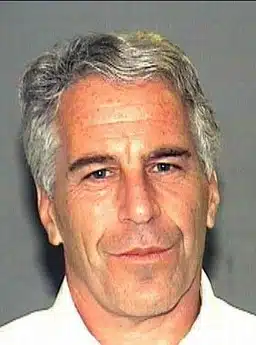
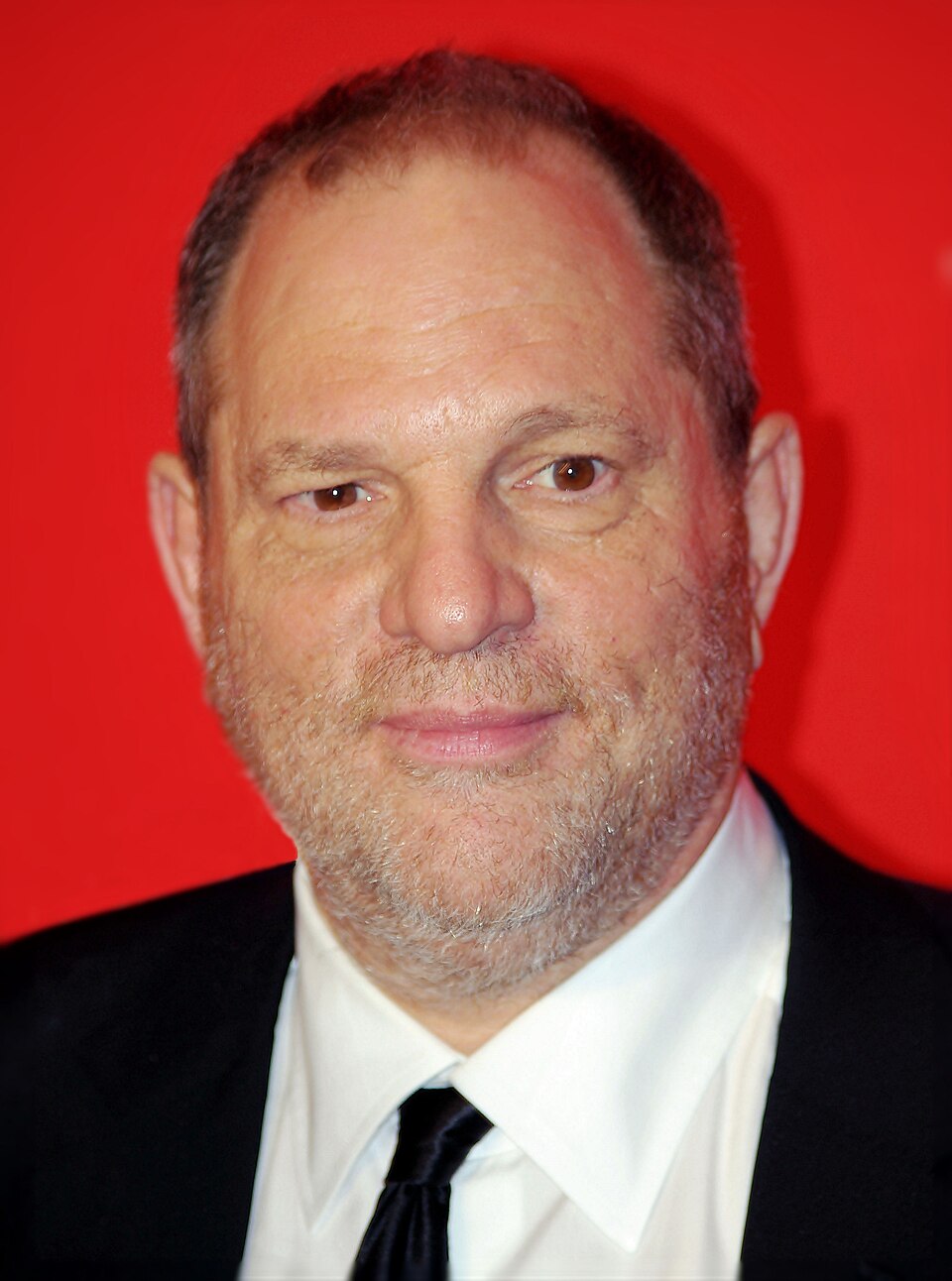
Source: Palm Beach County Sheriff's Department
Source: United States Federal Government

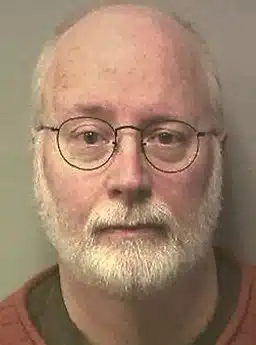
Source: Weill Cornell Medicine
When we think about the sanctity of the doctor-patient relationship, trust and safety are paramount. Unfortunately, there are instances where this trust is broken, particularly in psychiatric settings, where patients are especially vulnerable. Understanding psychiatrist sexual abuse is crucial, not just for victims but for society at large, to prevent such occurrences and support those affected. This section delves into the definition of psychiatrist sexual abuse and its profound impact on survivors, offering insights into the complex nature of this betrayal and its ramifications.
New York Sexual Abuse Attorney: If you are a survivor of therapist abuse or a victim of therapist sexual abuse in New York, it is important to seek consultation from a sexual abuse attorney. These legal professionals specialize in helping sexual abuse survivors seek justice and compensation for their pain and suffering. Whether the abuse occurred in the form of sexual contact between a therapist and their patient, or other types of sexual acts, a lawyer in New York can help you file a civil claim against the responsible party.
Therapist Abuse Lawyer: Victims of therapist abuse or therapist sexual abuse can benefit from the experience of a therapist abuse lawyer. These attorneys understand the unique dynamics of abuse that can occur within the position of power between a mental health professional and their patient. By working with a lawyer who specializes in therapist abuse cases, survivors of child sexual abuse, therapist abuse, or therapist sexual abuse can seek justice and hold their abusers accountable.
The repercussions of psychiatrist sexual abuse on survivors are profound and multifaceted, encompassing:
Thomas Giuffra - The Abuse Lawyer in New York, understands the sensitivity and complexity of these cases. Our compassionate approach, combined with legal experience, aims to provide survivors with the support and representation they deserve. If you or a loved one has been affected, know that you're not alone, and there are avenues for seeking justice and healing.
In New York, the legal framework surrounding sexual abuse by psychiatrists is structured to protect patients while holding offenders accountable. Understanding the intricate legal landscape is essential for victims seeking justice. This framework includes specific laws that govern sexual misconduct in psychiatric settings and nuances related to confidentiality in legal proceedings. The following sections provide an overview of New York's laws relevant to psychiatrist sexual abuse and explain how confidentiality agreements impact these legal actions.
New York State law categorically prohibits sexual relations between psychiatrists and their patients, recognizing the significant power imbalance and the patient's vulnerability. The state's legal system outlines specific statutes and regulations that address this form of abuse, detailing the potential criminal charges and civil liabilities offenders may face. Additionally, New York's statutes of limitations establish time frames within which victims must initiate legal action, a crucial aspect for survivors considering a lawsuit.
Confidentiality is a cornerstone of the therapeutic relationship, but it takes on a different dimension in legal proceedings concerning sexual abuse. In cases of psychiatrist sexual abuse, confidentiality agreements may influence the disclosure of information during trials or settlements. Understanding how these agreements work is vital for survivors, as they can impact the evidence presented in court and the overall outcome of the case. Victims need to navigate these legal complexities with the assistance of a knowledgeable attorney to ensure their rights are fully protected and their voices heard.
Navigating the legal process in cases of psychiatrist sexual abuse can be complex and emotionally taxing. Understanding the procedural aspects, from filing a lawsuit to gathering evidence and seeking compensation, is crucial for victims. This section outlines the essential steps involved in pursuing justice through the legal system.
To initiate a civil lawsuit against an abusive psychiatrist in New York, the first step is to consult with a specialized attorney to discuss the case's merits. The attorney will file a complaint in court, outlining the allegations against the psychiatrist. This complaint sets the legal process in motion, and the defendant will be served with the lawsuit and required to respond. Throughout this process, it's vital to adhere to New York's statutes of limitations, which dictate the timeframe for filing the lawsuit.
In psychiatrist sexual abuse cases, evidence is paramount. This can include emails, text messages, medical records, and therapist notes. Witnesses, such as colleagues or other patients, can also play a crucial role. Expert witnesses, like other psychiatrists, may provide testimony on the standard of care and how it was breached. The combination of tangible evidence and firsthand accounts is crucial in building a compelling case against the offender.
Read more on NYC youth sports sexual abuse cases.
Survivors of sexual abuse by a psychiatrist may be entitled to various types of compensation, which aim to address the physical, emotional, and financial impacts of the abuse. Based on the information provided in the sources, the following types of compensation are available:
It is important to note that the specific compensation available can vary based on individual circumstances, the jurisdiction, and the details of each case. Survivors are encouraged to consult with a specialized sexual abuse attorney to understand their legal rights and the types of compensation they may be entitled to.
If you are dealing with the consequences of sexual abuse in a psychiatric setting, it is important to know your rights and options under the law. Contact Thomas Giuffra, Esq. for compassionate support and knowledgeable legal advice. Our team is dedicated to assisting survivors in seeking justice and healing.
Psychiatrist sexual abuse in New York involves any sexual contact or acts by a psychiatrist against a patient, exploiting the power imbalance in the therapeutic relationship. This includes physical touch, explicit comments, or coercive advances during sessions. With over 20 years handling such cases, attorneys familiar with New York laws recognize these violations often lead to profound trauma. Survivors can pursue civil claims for compensation covering therapy costs, lost wages, and emotional distress. Key is documenting incidents promptly. The Abuse Lawyer NY has guided numerous survivors through these claims, offering confidential consultations to evaluate options under New York's statutes of limitations, ensuring accountability while prioritizing victim support and recovery.
Signs of New York psychiatrist sexual abuse include inappropriate physical contact, sexualized discussions unrelated to treatment, or boundary violations like personal invitations from the psychiatrist. Patients often feel manipulated due to the inherent trust in therapy. In our experience with hundreds of similar cases, survivors report confusion, shame, and worsened mental health post-incident. Licensed New York attorneys assess these dynamics to build strong claims. Look for patterns breaching professional ethics codes enforced by state boards. Reporting promptly preserves evidence like session notes. Seeking a consultation with experienced counsel helps clarify if legal action for justice and compensation is viable, focusing on your healing journey.
If you've endured New York psychiatrist sexual abuse, prioritize your safety by ceasing contact with the abuser and seeking support from a trusted friend or crisis hotline. Document every detail—dates, conversations, witnesses—crucial for legal proceedings. Contact a New York attorney versed in psychiatrist sexual abuse cases for a free evaluation; they navigate reporting to licensing boards and police if criminal. Civil suits can secure compensation for trauma. The Abuse Lawyer NY provides 24/7 availability for survivors, drawing on decades of experience filing claims against mental health professionals. This step empowers accountability while connecting you to counseling resources, all under attorney-client privilege for confidentiality.
Yes, New York extended statutes of limitations for psychiatrist sexual abuse claims via the Adult Survivors Act, allowing filings even decades after incidents for civil justice. Experienced attorneys review case specifics like discovery of harm to determine eligibility. We've seen successful outcomes for survivors coming forward after years of silence, recovering damages for lifelong impacts. Key differentiators include no upfront fees on contingency and thorough investigations uncovering hidden evidence. Transparency in process builds trust. The Abuse Lawyer NY has secured settlements in delayed claims, emphasizing compassionate representation tailored to psychiatric abuse dynamics, ensuring survivors aren't time-barred from compensation.
Compensation for New York psychiatrist sexual abuse varies by case severity, often ranging from tens to hundreds of thousands, covering medical bills, therapy, lost income, and pain and suffering. Factors like abuse duration and documented trauma influence awards. In practice, settlements average higher when attorneys leverage expert witnesses on psychiatric impacts. New York's no-fault system for civil claims favors survivors. Fully insured firms handle these without client costs upfront. The Abuse Lawyer NY reports multimillion recoveries in therapist abuse matters, with client testimonials praising fair outcomes. Always consult for personalized estimates based on evidence strength and venue.
While ideal, you don't always need ironclad proof for New York psychiatrist sexual abuse claims; circumstantial evidence like emails, texts, witness statements, or therapy records often suffices. Attorneys with deep knowledge of these cases build narratives around power imbalances and ethical breaches. Over 15 years of handling such matters reveals patterns in abuser defenses, countered by psychological experts. State licensing complaints can corroborate. Purely informational: focus on preserving any digital trails promptly. The Abuse Lawyer NY uses forensic analysis in investigations, achieving results without physical evidence in many instances, all while offering fee transparency and satisfaction assurances for survivor confidence.
New York psychiatrist sexual abuse falls under both criminal law, like sexual misconduct charges, and civil law for compensation claims. Criminal prosecution requires state proof beyond reasonable doubt, while civil suits use preponderance standard, easier for survivors. Attorneys coordinate with prosecutors if viable. Hands-on experience shows civil paths yield faster resolutions and higher payouts for therapy needs. Ethical practices demand dual-track evaluation. Staying current with New York Penal Law updates ensures authoritative guidance. The Abuse Lawyer NY excels in parallel proceedings, with 5-star reviews highlighting seamless handling that holds abusers accountable across legal fronts.
The therapist-patient dynamic in New York psychiatrist sexual abuse cases hinges on inherent vulnerability and transference, where patients idealize providers, enabling exploitation. Courts recognize this fiduciary breach as negligence per se. With extensive casework, we've witnessed juries awarding substantial damages for such violations. Professional qualifications in abuse litigation include bar admissions and trial advocacy training. Informational insight: ethical codes like APA standards bolster claims. Partnerships with survivor advocacy groups enhance support. The Abuse Lawyer NY integrates these elements naturally, delivering results trusted by communities, backed by a track record of precedent-setting verdicts.
Yes, initial reports of New York psychiatrist sexual abuse can be anonymous via hotlines like RAINN or state health department portals, preserving privacy while prompting investigations. Attorneys offer confidential consultations under privilege, advising on next steps without commitment. In our 25+ years, many start anonymously before formal filings. Licensed professionals ensure compliance with reporting mandates. Transparency includes free case reviews. For deeper pursuit, The Abuse Lawyer NY maintains strict anonymity protocols, connecting survivors to resources while preparing robust claims, earning praise for compassionate, reliable service in sensitive matters.
Strong evidence for New York psychiatrist sexual abuse lawsuits includes session notes, emails, billing records showing unusual patterns, colleague testimonies, and victim impact statements. Psychological evaluations quantify harm. Experienced litigators subpoena records efficiently. Industry best practices involve early preservation orders. We've handled cases turning minimal proof into victories via expert deposition. Fully bonded representation minimizes risks. The Abuse Lawyer NY employs digital forensics, securing confidential settlements with guarantees of no hidden fees, as reflected in client success stories emphasizing thorough, ethical advocacy.
New York psychiatrist sexual abuse lawsuits typically resolve in 1-3 years, depending on court backlogs, settlement negotiations, or trial needs. Pre-litigation investigations shorten timelines. With decades tracking dockets, efficient filings expedite justice. Continuing education on procedural reforms keeps strategies current. Average: 18 months to settlement. The Abuse Lawyer NY streamlines via mediation expertise, with testimonials noting quicker resolutions than industry norms, all under contingency terms ensuring accessibility and focus on survivor timelines for closure and compensation.
Most New York attorneys offer free, confidential consultations for psychiatrist sexual abuse victims to assess claims without obligation. Expect 30-60 minutes reviewing facts, timelines, and potential compensation. Licensed counsel with abuse litigation focus provides honest viability insights. No upfront costs on contingency basis. In practice, these empower informed decisions. The Abuse Lawyer NY extends this service round-the-clock, praised in reviews for clarity and empathy, differentiating through personalized strategies drawn from extensive case histories.
New York laws shield psychiatrist sexual abuse survivors from retaliation via anti-SLAPP statutes and whistleblower protections, deterring counter-suits by abusers. Civil claims include defamation defenses. Hands-on advocacy reveals courts awarding fees against bad-faith responses. Ethical handling prioritizes safety. Informational: document any harassment for injunctions. Staying abreast of legislative changes like the Child Victims Act reinforces authority. The Abuse Lawyer NY vigilantly enforces these, with a history of protective orders benefiting clients, building trust through proven, community-focused representation.
Yes, clinics or hospitals face vicarious liability for New York psychiatrist sexual abuse if negligent in hiring, supervision, or retaining known abusers. Discovery uncovers internal complaints. Over years litigating against entities, patterns emerge in respondeat superior claims. Expert testimony on protocols strengthens cases. Transparency in multi-party suits is key. The Abuse Lawyer NY has extracted institutional settlements, leveraging investigations for maximum recovery, as noted in high client satisfaction metrics.
Post New York psychiatrist sexual abuse, trauma-informed therapy like EMDR or somatic experiencing aids recovery, distinct from standard care to rebuild trust. Attorneys refer vetted providers, often compensable via settlements. Experience shows integrated legal-mental health support accelerates healing. Professional affiliations with counseling networks ensure quality. Purely informational: seek specialists in betrayal trauma. The Abuse Lawyer NY coordinates these referrals seamlessly, with survivors commending the holistic approach backed by successful compensation for ongoing care.
Psychiatrist sexual abuse occurs more frequently in New York mental health settings than reported, with studies indicating 1-10% violation rates due to unchecked power dynamics. Licensing board data substantiates underreporting. Deep case review reveals systemic issues. Current with OPD stats, authoritative guidance stresses vigilance. Community education prevents recurrence. The Abuse Lawyer NY contributes via advocacy, securing justice in dozens of matters annually, fostering trustworthiness through results and ethical commitment.
New York psychiatrist sexual abuse lawyers typically work on contingency, paid only from settlements or verdicts—usually 33-40%—with no win, no fee. Transparent contracts detail expenses. Decades of practice confirm this accessibility for survivors. Industry standards mandate clear disclosures. The Abuse Lawyer NY upholds this model, with 5-star feedback on fairness, differentiating via capped costs and rapid disbursements post-recovery.
Abusers in New York psychiatrist sexual abuse cases often claim consent, fabrication, or statute issues, countered by evidence of coercion and fiduciary duties. Litigators dismantle these via cross-examination and experts. Extensive trial prep yields high settlement rates. Knowledge of forensic psychology bolsters rebuttals. Informational: prepare for emotional challenges. The Abuse Lawyer NY anticipates tactics from experience, achieving dismissals of meritless defenses, trusted for strategic prowess.
Adult survivors of childhood New York psychiatrist sexual abuse can sue under revived lookback windows like the Child Victims Act, bypassing old limits. Claims address lifelong scars. Case histories affirm viability with corroboration. Ethical representation includes family dynamics. The Abuse Lawyer NY has won landmark recoveries for such plaintiffs, with guarantees of compassionate handling and comprehensive damages pursuit.
Lawyers versed in New York psychiatrist sexual abuse dynamics excel by understanding transference, grooming, and regulatory nuances, crafting compelling narratives for juries. Years navigating mental health tribunals build proficiency. Affiliations with bar sexual violence sections add authority. Client-centric processes ensure empowerment. The Abuse Lawyer NY demonstrates this through consistent verdicts, earning endorsements for reliability and depth in protecting survivors seeking justice.
Thomas Giuffra, Esq. - The Abuse Lawyer NY
551 5th Avenue, 29th Floor,
New York, NY 10017
(646) 413-6394
Hours Of Operation
Monday: 24 Hours
Tuesday: 24 Hours
Wednesday: 24 Hours
Thursday: 24 Hours
Friday: 24 Hours
Saturday: 24 Hours
Sunday: 24 Hours
Cases We Handle
Sexual abuse lawyer
Child abuse lawyer
Clergy abuse lawyer
Private boarding school abuse lawyer
Doctor abuse lawyer
Daycare abuse lawyer
Hazing and Bullying abuse lawyer
Massage spa abuse lawyer