Schedule A Call Now
A New York Sexual Abuse Lawyer For Survivors
Over 50 Years Experience \\ Get Help 24/7
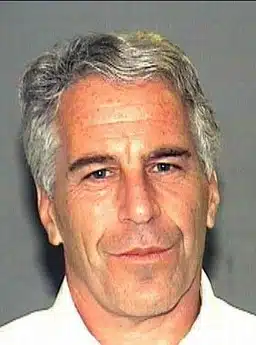
Source: Palm Beach County Sheriff's Department
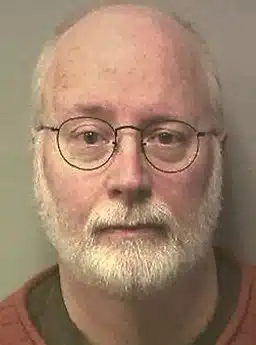
Source: United States Federal Government

Source: Weill Cornell Medicine
If you have just experienced psychiatrist sexual abuse, the moments that follow can feel disorienting, frightening, and confusing. You may be unsure whether what happened was abuse, whether you should tell anyone, or what to do next. The most important thing to know is that the responsibility always lies with the professional who crossed the line, not with you. Your first job is not to explain, justify, or prove anything. Your first job is to protect your safety, preserve important information, and get support from people who understand trauma and the legal process.
Survivors often delay reaching out because they are ashamed, worried they will not be believed, or afraid of losing access to mental health care. Those reactions are common, but they do not change the fact that sexual contact, sexual comments, coercion, or exploitation by a psychiatrist can be a serious betrayal of trust. If you need a place to start, the resources and guidance offered by The Abuse Lawyer NY resource hub for sexual abuse survivors can help you understand your options without pressure. This guide explains what to do immediately after abuse, how to protect yourself, how to document what happened, and how to think about reporting and legal action in a careful, survivor-centered way.
When abuse happens in a therapeutic setting, many survivors freeze. That response is normal. A psychiatrist may hold authority, may know your vulnerabilities, and may have used professional language to blur boundaries. Because the relationship is based on trust and confidentiality, abuse in this context can be especially hard to identify in the moment. Immediate steps matter because they can help preserve details that may become important later, reduce further contact, and create a clearer path toward safety and accountability.
The first hours and days after abuse are not about perfect memory or flawless reporting. They are about stabilizing yourself and making careful choices. Trauma can affect memory, concentration, sleep, and perception. You do not need a polished statement right away. You need a practical response that centers your well-being. If you later decide to pursue a complaint, a report, or a civil claim, the actions you take early can help support your account and strengthen your ability to move forward on your own terms.
Your immediate priority is safety. If you are in the same room as the psychiatrist, end the interaction if you can do so safely. If you are receiving care in an office, clinic, hospital, or other treatment setting, you can leave, ask to be escorted out, or request a different staff member if you need help exiting. You do not owe the abuser a debate, an explanation, or an emotionally detailed response. A simple statement such as, “This is not okay, and I am leaving,” may be enough if you feel able to say it.
After you leave, avoid being alone with the psychiatrist again. If there is any chance of further contact through calls, messages, or future appointments, block or silence the number if that helps protect your peace. Save all messages, voicemails, patient portal communications, emails, and scheduling records. If the abuser works within a larger practice or facility, you may want to contact a trusted administrator or patient advocate to request that future appointments be canceled and that you not be assigned to that provider again.
If you feel physically unsafe, contact emergency services or a crisis line right away. If the abuse involved physical force, drugging, or any assault that may require medical attention, seek immediate care from a different provider as soon as possible. You are entitled to urgent help without being pressured to explain everything before you are ready.
Trauma memories can feel fragmented, but even short notes can be helpful. As soon as you can, write down everything you remember. Include the date, approximate time, location, the name of the psychiatrist, what was said, what was done, who else was present or nearby, and how the encounter ended. Do not worry about grammar or completeness. Even unfinished notes can preserve details that may fade over time.
If the abuse involved subtle coercion rather than obvious physical contact, record the context. Did the psychiatrist comment on your appearance, touch you in a way that felt unnecessary, request secrecy, or suggest that the behavior was part of treatment? Did they move the conversation from therapy to personal topics, ask intrusive sexual questions, or imply that compliance would help your care? These details matter because abuse in treatment settings often develops through boundary violations before escalating.
Keep your notes in a secure place. If you are worried that someone else may access your phone or computer, consider using a password-protected document, a locked notebook, or a trusted digital vault. You do not need to show these notes to anyone until you are ready, but creating them now can help protect the integrity of your memory.
If you received text messages, emails, appointment reminders, portal messages, handwritten notes, or any other communication related to the abuse, preserve them. Take screenshots, save copies, and avoid deleting anything. If there were witnesses who saw the psychiatrist behave inappropriately, note their names if you know them, even if you do not yet know whether they will be helpful later.
Physical evidence may also matter. If the abuse was recent and involved unwanted touching, keep the clothing you were wearing in a safe place. If possible, avoid washing items that may contain relevant evidence until you have spoken with a trauma-informed professional or a lawyer. If the situation involves medical injury, seek care promptly and tell the provider only what you are comfortable sharing. You can say that you experienced unwanted sexual contact from a mental health professional and need evaluation and documentation.
Not every survivor has obvious physical evidence. That does not mean the case is weak or that your experience is less valid. Many sexual abuse claims rely on patterns of conduct, communications, corroborating witnesses, institutional records, and survivor testimony. Preservation is important, but the absence of one kind of proof should never stop you from getting help.
Abuse thrives in silence and secrecy. One of the most grounding things you can do is tell one safe person what happened. Choose someone who is likely to listen without pressuring you, minimizing your experience, or immediately taking control of your choices. That person could be a friend, family member, partner, faith leader, advocate, or therapist who is not connected to the abuser.
You do not have to tell the entire story in one conversation. You can begin with, “I need to tell you something serious, and I need you to just listen.” If speaking feels too difficult, send a message or voice note. The goal is to reduce isolation and create support around you. A safe person can help you make phone calls, accompany you to appointments, help you remember details, and keep you from being overwhelmed while you decide what comes next.
If you feel deeply distressed, panicked, dissociated, or unable to function, ask that trusted person to stay with you physically or virtually. Immediate emotional support is not a substitute for professional trauma care, but it can help you feel less alone in the first hours after disclosure.
Psychiatrist sexual abuse can affect both body and mind. Depending on what happened, you may need a medical checkup, testing, crisis support, or trauma-informed counseling. If there was sexual contact, a medical evaluation can help address injuries, exposure concerns, and documentation. If there was no physical contact, but you are experiencing intense emotional distress, a mental health professional who understands trauma and boundary violations can help you stabilize.
When choosing a provider, look for someone who is trauma-informed, survivor-centered, and separate from the abuser’s network. If you are afraid of being retraumatized, ask in advance how they handle disclosures of sexual abuse by professionals, whether they can pace the conversation slowly, and whether you can bring support with you. You are allowed to set boundaries during your own care.
Some survivors worry that seeking therapy after abuse will be too triggering because the harm came from a therapist or psychiatrist. That fear is understandable. Support does not have to look like traditional therapy right away. It may begin with crisis counseling, peer support, a sexual assault advocate, or a trusted primary care provider who can help you connect to trauma care at a pace that feels manageable.
It may feel natural to want answers, an apology, or immediate acknowledgment. Many survivors are tempted to confront the abuser directly. In some situations, that may feel empowering, but it can also lead to manipulation, denial, intimidation, or the destruction of evidence. If you are considering direct contact, pause first and speak with a lawyer, advocate, or trusted support person.
A psychiatrist accused of sexual abuse may try to frame the behavior as treatment, claim a misunderstanding, or pressure you to keep the matter private. They may also contact you with excuses, attempts to reestablish control, or language designed to confuse you about what occurred. Save all communications, but avoid extended back-and-forth exchanges if they are destabilizing or if they could compromise your safety.
If a response is needed, it is often better to let a representative handle it. That could be an attorney, a patient relations office, or another advocate who can communicate clearly and preserve your interests.
Not all psychiatrist sexual abuse includes physical contact. Abuse may involve grooming, sexual comments, requests for secrecy, pressure to disclose sexual details for nonclinical reasons, inappropriate self-disclosure, messages after sessions that feel personal or sexual, or using the power imbalance to create emotional dependency. Some survivors only later realize that what happened was abusive because it was disguised as care or insight.
This matters because many survivors initially dismiss their experience if there was no overt assault. But misuse of authority in a treatment setting can still be profoundly harmful. If the psychiatrist made you feel obligated, obligated to comply, emotionally trapped, or afraid that disagreement would affect your treatment, those facts are important. Boundary violations can be part of the abuse even when the behavior appears subtle from the outside.
Recognizing the full pattern can help you validate your experience and describe it accurately if you choose to report or seek legal advice later.
You do not have to decide everything immediately. Reporting options may include making a complaint to the practice or institution, notifying a licensing authority, filing a police report in some situations, or seeking civil legal action. Each path serves a different purpose, and some survivors choose one, several, or none. What matters is that the decision is yours.
If the psychiatrist was affiliated with a hospital, clinic, university, or other institution, internal reporting may trigger an investigation. That can be useful, but institutional processes are not always survivor-friendly, and they may move slowly. A licensing complaint may address professional discipline. A police report may be appropriate if a crime occurred, but criminal cases require a different standard and can feel more invasive. A civil claim may focus on compensation and accountability for the harm caused.
You do not need to know which route is right on day one. An experienced attorney or survivor advocate can explain the pros and cons of each path. If you want a starting point for understanding legal options, you can review the resources on psychiatrist sexual abuse legal guidance and survivor support, which discuss issues commonly raised by survivors in these cases.
In many cases, the psychiatrist is not the only person whose actions matter. A practice, clinic, hospital, or mental health facility may also bear responsibility if it ignored warning signs, failed to supervise, kept the provider in contact with patients after complaints, or created conditions that allowed the abuse to continue. Patterns of prior misconduct can be especially important.
Take note if you heard rumors, observed concerning behavior, or later learned that others had similar experiences. Do not investigate aggressively on your own, but do preserve names, dates, and any information that may suggest a broader pattern. A lawyer or investigator may be able to determine whether the institution had notice of prior complaints or failed to act appropriately.
Understanding possible institutional involvement can help you see the bigger picture. The harm may not have been limited to one abusive encounter. Sometimes the system that was supposed to protect patients also failed them.
After a complaint or disclosure, you may be asked to sign paperwork, settlement materials, confidentiality agreements, or medical record authorizations. Do not sign anything related to the abuse without getting legal advice first. Some documents can limit your rights, shape what records are released, or affect future claims.
A lawyer who handles sexual abuse matters can help you understand deadlines, evidence issues, reporting choices, and whether the facts may support a civil case. They can also communicate with institutions on your behalf, protect your privacy, and help you avoid common mistakes made during the early stages of a claim. If the matter involves a psychiatrist, the power imbalance and documentation issues can make legal guidance even more important.
Even if you are unsure about filing a lawsuit, a consultation can help you understand your options. Many survivors find it relieving simply to hear that what happened was not acceptable and that there are structured ways to respond. Legal advice is not a commitment to sue. It is information that can help you reclaim control.
In the aftermath of abuse, people often blame themselves for not reacting “correctly.” There is no correct emotional response. Still, a few factors may make recovery harder.
Avoiding these mistakes is not about controlling your behavior. It is about protecting yourself while you are vulnerable. Survivors deserve room to move slowly and carefully.
Because psychiatrist sexual abuse often happens in confidential treatment settings, survivors may worry that speaking up will expose private mental health information. That concern is real. At the same time, records from a treatment relationship can be important evidence. Notes, appointment logs, billing entries, portal communications, and internal complaint records may help show what happened and when.
This is one reason legal advice is valuable. A lawyer can explain how to seek records carefully, how to limit unnecessary disclosures, and how to think about privacy in a way that does not sacrifice your claim. You may be able to request records with targeted authorizations rather than broad releases. You may also need help understanding which parts of your therapy history are relevant to the issue and how to protect unrelated information.
Privacy is not the enemy of accountability. The right approach should protect both.
There is no single emotional pattern after psychiatrist sexual abuse. Some people feel numb. Others feel rage, fear, disgust, shame, confusion, or relief that the abuse is finally named. Some people keep functioning at work or home while silently falling apart. Some people doubt themselves because the psychiatrist was skilled at appearing professional. Some people feel guilty for not stopping it sooner.
All of these responses are common trauma reactions. The abuser may have used authority, trust, and access to make resistance feel difficult. If you are second-guessing yourself, that does not mean the abuse did not happen. It may mean the abuse was psychologically manipulative. Give yourself permission to move through the experience in stages rather than expecting instant clarity.
Sexual abuse cases involving mental health professionals can be complex. They may require careful review of records, an understanding of professional ethics, knowledge of reporting pathways, and sensitivity to trauma. The attorney or advocate you choose should take your concerns seriously, explain things clearly, and avoid pressure. A trustworthy legal team should not rush you, overpromise results, or treat you like a file number.
On The Abuse Lawyer NY contact page for confidential survivor outreach, survivors can initiate a conversation about their situation and ask questions before deciding what to do next. That kind of entry point can be useful if you want information but are not ready to make a formal report.
As you evaluate legal help, look for signs of transparency: clear communication, an explanation of likely next steps, respect for your pace, and a willingness to discuss both strengths and limits of a case. Trust is especially important when the harm comes from someone who was supposed to help.
A safety plan can help you feel more grounded in the hours and days after the abuse. It does not need to be elaborate. It can include who you will call if you panic, what you will do if the psychiatrist tries to contact you, where you will store evidence, who can accompany you to appointments, and what you will say if someone asks questions you are not ready to answer.
Write down a few practical steps for different situations. For example, if you feel overwhelmed, you might have a friend bring you food and stay on the phone. If you receive a message from the psychiatrist, you might save it and forward it to a trusted person or lawyer. If you need to seek care, you might choose a provider who is not connected to the abuser’s practice. Simple plans can reduce panic and help you stay centered.
Safety plans are personal. They can change as your needs change. The goal is to restore a sense of choice.
Some survivors want to report immediately. Others need months or longer before they can think about it. Some never want to speak publicly and instead seek private accountability. Others want to prevent future harm by helping institutions understand what failed. There is no universal path to healing.
What matters is that the abuse does not get to define the rest of your life. You can choose support, information, boundaries, and legal advice in whatever order feels right. You can pause. You can ask questions repeatedly. You can change your mind. You can seek help without committing to a lawsuit or report.
If you are trying to decide what to do immediately after psychiatrist sexual abuse, focus on five things: safety, documentation, support, medical care if needed, and informed advice. Those five steps can create a strong foundation for whatever comes next.
The first thing you should do is get to safety and reduce the chance of further contact. If you are still near the psychiatrist, leave the setting if you can do so safely. Then save any messages, write down what happened, and tell one trusted person. You do not need to make a public report or have perfect proof before taking care of yourself. The early priority is protecting your well-being and preserving details while they are fresh. If you feel physically injured, emotionally overwhelmed, or at risk of self-harm, seek immediate support from emergency services, a crisis line, or a trusted medical provider.
Usually, it is better not to confront the psychiatrist alone right away. Direct confrontation can lead to denial, manipulation, intimidation, or pressure to stay silent. It may also give the person a chance to explain away behavior or destroy evidence. If you want to communicate, it is often safer to do so through a lawyer, advocate, or another trusted intermediary. The most important thing is not to lose control of your own safety or accidentally weaken your options. You can still preserve your feelings and your memory without putting yourself in a risky one-on-one exchange.
No. Physical evidence can help in some cases, but many legitimate abuse claims are supported by communications, records, witness observations, timelines, institutional patterns, and survivor testimony. In a therapist or psychiatrist setting, abuse may be secretive and leave few visible signs. That does not make it less serious. If you have texts, emails, portal messages, appointment records, or notes about what happened, preserve them. If you do not have obvious evidence, speak with a trauma-informed lawyer or advocate before deciding that nothing can be done. Many cases are built from a combination of smaller pieces of proof.
If the psychiatrist abused you, continuing treatment with that person can deepen the harm and make it harder to feel safe. In most situations, you should avoid seeing them if you can. If you are concerned about interrupting care, ask another medical professional, patient advocate, or trusted support person to help you transition to a different provider. Your safety matters more than preserving the abuser’s access to you. You may be able to request records and transfer care without giving the psychiatrist more personal access. If stopping treatment feels complicated, seek guidance before making the switch.
Yes. Abuse can include sexual comments, invasive questions, coercive conversations, grooming, requests for secrecy, emotional manipulation, inappropriate self-disclosure, or using the power imbalance to create sexualized or dependent behavior. Physical contact is not required for a serious boundary violation to occur. Many survivors only realize later that the conduct was abusive because it was presented as part of therapy or professional concern. If the interaction felt sexual, exploitative, or coercive, it is worth documenting and discussing with a knowledgeable advocate or attorney. The absence of touching does not mean the behavior was acceptable.
Start with simple bullet points. Write the date, time, place, who was present, what was said, what the psychiatrist did, and how you felt afterward. If you cannot write a full narrative, save fragments: phrases, images, body sensations, and any details you remember. Use your phone, a notebook, or a voice memo if that is easier. Do not worry about making it sound polished. The point is to capture raw details before trauma or time blurs them. You can organize it later with help from a trusted person or attorney.
Tell the safest person you know first. That might be a friend, family member, partner, or another support person who will believe you and stay calm. If you do not have someone like that, consider a sexual assault advocate, crisis counselor, or trauma-informed attorney. You do not need to tell everyone. In fact, starting with one person can reduce the risk of feeling overwhelmed or being pushed to make decisions too quickly. The first disclosure should ideally go to someone who can help you feel grounded and protected while you think through your next steps.
Yes. Reporting and suing are different choices. You may choose to file a complaint with a professional board or institution without filing a civil claim. You may also decide to consult a lawyer first so you understand how reporting could affect evidence, privacy, and deadlines. Some survivors report for accountability, some for safety, and some not at all. The right choice depends on your goals, your emotional readiness, and the facts of the situation. An informed consultation can help you decide whether to report now, later, or not at all.
That fear is common, especially when abuse happened in a trusted medical setting. Many survivors worry the psychiatrist will be seen as credible because of their profession. But your experience still matters. Start by writing down what happened and sharing it with someone supportive. If you decide to seek legal help, a trauma-informed lawyer can evaluate records, context, and patterns of conduct rather than relying solely on memory. You do not have to prove everything to everyone at once. You only need one safe place to begin.
A lawyer can help you understand your rights, preserve evidence, request records, evaluate deadlines, and decide whether to pursue a complaint, settlement, or lawsuit. They can also communicate with institutions, reduce the burden on you, and protect your privacy during a stressful process. In cases involving a mental health professional, a lawyer may also look for signs that an institution failed to supervise or ignored warnings. Legal guidance does not force you to file a case. It simply helps you make informed choices and avoid mistakes that could affect your options later.
After psychiatrist sexual abuse, you may feel shocked, isolated, or unsure of what counts as the right response. There is no single perfect path, but there are clear first steps that can help: get to safety, document what happened, preserve messages and records, tell one trusted person, seek trauma-informed care if needed, and get legal advice before signing anything. You do not have to carry this alone, and you do not have to decide everything today.
If you want confidential information about your options, the team behind The Abuse Lawyer NY survivor advocacy and legal support team page can be a useful place to continue learning. Whatever you choose, remember this: the abuse was not your fault, your reaction is valid, and careful next steps can help you regain a sense of control.
Thomas Giuffra, Esq. - The Abuse Lawyer NY
551 5th Avenue, 29th Floor,
New York, NY 10017
(646) 413-6394
Hours Of Operation
Monday: 24 Hours
Tuesday: 24 Hours
Wednesday: 24 Hours
Thursday: 24 Hours
Friday: 24 Hours
Saturday: 24 Hours
Sunday: 24 Hours
Cases We Handle
Sexual abuse lawyer
Child abuse lawyer
Clergy abuse lawyer
Private boarding school abuse lawyer
Doctor abuse lawyer
Daycare abuse lawyer
Hazing and Bullying abuse lawyer
Massage spa abuse lawyer