Schedule A Call Now
A New York Sexual Abuse Lawyer For Survivors
Over 50 Years Experience \\ Get Help 24/7
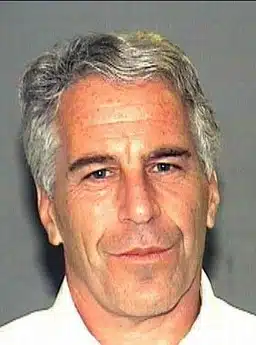
Source: Palm Beach County Sheriff's Department

Source: United States Federal Government

Source: Weill Cornell Medicine
When sexual abuse happened years ago, many survivors feel a painful mix of uncertainty, anger, shame, grief, and relief that the abuse is finally being named. The passage of time does not erase what happened, and it does not automatically erase your rights. In many situations, survivors can still explore legal options, seek accountability, and take steps that are focused on healing rather than rushing into anything before they are ready.
If you are trying to understand your options, a good first step is to review the information available through The Abuse Lawyer NY resource center for survivors and families and then look closely at the facts of your own experience. The law, the evidence, and the available remedies can vary depending on when the abuse occurred, who the accused person is, whether the abuse was reported before, and whether any prior criminal or civil matters were involved. That is why survivors often benefit from a careful, confidential review before making decisions.
This article explains what can happen when sexual abuse took place years ago, why delayed disclosure is common, what evidence may still matter, and how survivors can think through civil claims, criminal reporting, emotional support, and practical next steps. It also discusses how a survivor-centered legal team can help you understand the process with compassion and discretion.
Many survivors assume that if abuse was not reported right away, nothing can be done later. That assumption is often wrong. Delayed disclosure is common in sexual abuse cases because survivors may have been children at the time, may have feared retaliation, may have been manipulated by a trusted adult, or may have needed years to feel safe enough to speak. The delay itself can be a normal response to trauma, not a sign that the abuse was unimportant or unreal.
Years may pass before a survivor fully understands the impact of the abuse. Some people first connect the abuse to later problems such as anxiety, depression, flashbacks, panic attacks, relationship difficulties, addiction, sleep problems, or difficulty trusting authority figures. Others may not be ready to confront the abuse until a later life event, such as becoming a parent, seeing the abuser in the news, receiving therapy, or learning that someone else had a similar experience. The timing of disclosure can affect procedure, but it does not change the underlying harm.
For legal purposes, older abuse can still matter because evidence may remain available, witnesses may remember details, institutional records may still exist, and patterns of misconduct may show that the abuse was not isolated. In some cases, a survivor’s testimony, supported by therapy records, communications, or corroborating accounts, may be enough to begin a meaningful civil investigation. Even when the criminal path is time-limited, civil accountability may still be possible depending on the facts and applicable time rules.
The biggest difference when abuse occurred years ago is often the legal timeline. Time limits can affect whether a criminal case can be filed, whether a civil lawsuit can be brought, and which claims remain available. These deadlines are not always simple. They can depend on the survivor’s age at the time of abuse, the type of conduct involved, when the abuse was discovered or understood, whether the accused person had a duty to report, and whether the abuser was part of an institution that may also bear responsibility.
Another difference is evidence preservation. When abuse is recent, physical evidence, text messages, medical records, and eyewitness accounts may be easier to locate. When the abuse is older, the process often relies more heavily on records, patterns, prior complaints, calendars, journals, school or workplace files, counseling notes, admissions, and the survivor’s own detailed account. That does not make a case impossible; it simply means the legal team must work more carefully to reconstruct what happened and what harm followed.
Older abuse also often brings emotional complications. Survivors may worry that people will ask why they did not speak sooner. They may fear not being believed. They may also feel torn between wanting accountability and avoiding the stress of an investigation. A thoughtful advocate should not pressure you to make a decision immediately. Instead, the process should be explained in plain language so you can understand your choices and move at a pace that feels safe.
There is no single reason people wait to disclose sexual abuse. In practice, delayed disclosure is extremely common and often understandable. Some survivors were threatened, groomed, isolated, or taught that what happened was normal. Others were children who lacked the vocabulary to explain the abuse or were afraid that speaking up would destroy their family, their education, their housing, or their safety. In many cases, a survivor was not actually silent; they may have hinted, dissociated, or tried to avoid the abuser without using formal words.
Adulthood can also bring clarity. A person may not recognize the abuse until much later, especially when the abuser was a person of authority, a family friend, a mentor, a coach, a religious figure, or someone who exploited trust. When the mind has spent years compartmentalizing trauma, memories may resurface slowly. Therapy can help connect those memories to present-day effects, making it possible for a survivor to understand what happened and what they need now.
Some survivors also disclose after learning that the same abuser harmed others. That can reduce self-blame and confirm that the abuse was part of a pattern. Others come forward after seeing an institutional response that suggests concealment, cover-up, or repeated failure to protect vulnerable people. In those situations, the survivor may realize that their own experience deserves serious attention, even if the abuse took place long ago.
Older cases can still have important evidence. Survivors often underestimate how much information remains accessible. Therapy records can document symptoms, diagnosis, and the moment disclosures were made. Journals, letters, emails, text messages, and social media messages can show contemporaneous reactions. Calendar entries, travel records, photographs, and school or employment records may help establish where the survivor and the accused person were at specific times. Medical records can reflect injuries, stress responses, sleep issues, or trauma-related care.
Witnesses can also matter years later. A friend, sibling, roommate, coworker, classmate, or other observer may remember disclosures, behavioral changes, or interactions with the accused person. In institutional cases, internal reports, prior complaints, background files, personnel records, disciplinary records, and complaint logs can be highly significant. Even if the exact act was never documented at the time, patterns of behavior can help show credibility and support the survivor’s account.
Digital evidence is another area that can help. Old email accounts, cloud backups, archived messages, deleted-photo recovery, and metadata sometimes preserve information that a survivor did not know was still available. A legal team may also know how to send preservation letters to prevent businesses or organizations from destroying records once a claim is being considered. The earlier this happens, the better the chance of saving useful material.
In some situations, yes. Civil claims are often the main path for survivors whose abuse happened years ago because civil court can focus on accountability and compensation rather than imprisonment. A civil case may seek damages for therapy costs, medical expenses, lost income, reduced earning capacity, pain and suffering, emotional distress, and other losses. Depending on the facts, a case may also target an institution that failed to supervise, investigate, report, or protect the survivor.
Whether a civil claim is still available depends on the applicable legal deadlines in your case. Those rules can be complicated, especially in older abuse cases or cases involving childhood abuse. The age of the survivor at the time of abuse, the conduct alleged, and when the harm was recognized can all matter. A detailed review is important because some claims may be time-barred while others may still be viable under different theories or extensions.
Even when a full lawsuit is not available, a civil consultation can still be valuable. It may help confirm whether any exception applies, whether a related institution may bear responsibility, whether a notice requirement exists, or whether another avenue such as mediation, complaint filing, or reporting to a licensing body makes sense. A careful review also helps survivors avoid making statements or signing documents before they understand the consequences.
When abuse happened within an institution, the age of the abuse does not necessarily end the analysis. Institutions can sometimes be held responsible if they ignored complaints, failed to supervise employees, failed to screen dangerous people, or created conditions that allowed abuse to continue. Older abuse cases often uncover troubling institutional patterns: repeated complaints, transferred staff, ignored warning signs, and records that were never shared with survivors or law enforcement.
These cases are often more complex than claims against an individual alone. A legal team may need to look at hiring and supervision practices, reporting duties, internal policies, training records, prior incidents, and the organization’s response once concerns arose. If the institution had notice of misconduct, that can be highly important. In some cases, the institution’s role in enabling the abuse may be just as significant as the abuser’s conduct.
Survivors sometimes hesitate to consider institutional claims because they fear exposing private matters or challenging a powerful organization. That concern is understandable. A compassionate lawyer should explain what information is needed, what may remain confidential, and how the process can be tailored to the survivor’s comfort level. You should not be forced to choose between your privacy and your right to accountability without a clear understanding of the tradeoffs.
Some survivors want to know whether they can still make a criminal report years later. The answer depends on the type of offense, the applicable time rules, and whether any exceptions apply. In older cases, law enforcement may still take a report, but the practical ability to prosecute can be limited if too much time has passed under the criminal statute of limitations. That does not mean your report has no value. It may still contribute to a larger pattern, support other survivors, or help authorities identify an ongoing threat.
Criminal reporting can be emotionally difficult because it requires recounting painful facts and may trigger fear about being judged or not believed. Some survivors choose to speak with a therapist, advocate, or lawyer first to decide whether reporting is right for them. If you do report, it helps to provide as much detail as you can remember, even if the timeline is incomplete. A careful chronology, names, dates, locations, and prior disclosures can all be helpful.
It is important to distinguish criminal prosecution from civil accountability. A criminal case is brought by the government and is focused on punishment. A civil case is brought by the survivor and focuses on compensation and liability. One can sometimes move forward without the other. If the criminal route is unavailable, that does not automatically close the door on other remedies.
Survivors often worry that forgetting details means their memories are not real. Trauma does not work that way. Memories of abuse can be fragmented, delayed, triggered by sensory cues, or remembered in pieces over time. Some details may remain sharp while others feel unclear. That does not mean the abuse did not happen. It means the nervous system has been trying to survive a harmful event.
When abuse occurred years ago, a survivor may remember the abuse itself, but not exact dates, clothing, or sequence. That is common. A good attorney understands that trauma can affect memory and will not treat a survivor’s lack of perfect recall as a reason to dismiss the case. Instead, the legal process may focus on corroborating details, patterns, context, and supporting records that align with the survivor’s account.
Trauma can also create avoidance. A person may have blocked calls, avoided certain places, changed jobs, ended relationships, or developed strong reactions to reminders of the abuse. Those behaviors can be part of the story. They may help explain why disclosure took so long and why the abuse has had lasting effects. A strong legal presentation often includes not just what happened, but how it changed the survivor’s life afterward.
In a civil case, compensation is meant to address the harm caused by the abuse. That can include therapy and counseling costs, psychiatric treatment, prescription expenses, lost wages, reduced future earning capacity, pain and suffering, emotional distress, and the long-term impact on quality of life. In some cases, damages may also reflect the cost of rebuilding a life that was disrupted by the abuse.
The exact value of a case depends on many factors: the nature and duration of the abuse, the age of the survivor, the degree of injury, the identity of the accused, whether an institution was involved, whether there were prior complaints, and how the abuse affected work, family, health, and education. No responsible attorney should promise a result before reviewing the facts. Instead, you should expect a candid explanation of strengths, risks, and likely outcomes.
Compensation is not a substitute for accountability, but it can be an important part of recovery. It may allow a survivor to access long-term therapy, cover financial losses, and regain a sense of control. For many people, it is also a way to create an official record that the harm occurred and mattered.
If you are thinking about taking legal action after abuse that happened years ago, you can begin with a few practical steps. Write down everything you remember while it is fresh, even if it feels incomplete. Include names, dates, approximate ages, places, witnesses, and any details that connect the abuse to a specific time period. Save messages, photos, journals, medical records, and anything else that may help. If you have spoken about the abuse to a therapist, trusted person, or doctor, make note of when that happened and who was told.
It can also help to think about your goals. Some survivors want a civil claim. Others want to understand whether reporting is possible. Some want both. Some are not ready for any formal step but want information for the future. There is no wrong starting point. The key is to get accurate guidance before you sign anything, give a recorded statement, or make public disclosures you are not prepared to manage.
A survivor-focused intake process should respect your pace and your privacy. You should be able to ask about confidentiality, fees, possible deadlines, likely steps, and whether your matter could involve an institution, insurance carrier, or other third party. The right legal team should answer clearly and without pressure.
Older abuse cases require more than legal knowledge. They require patience, careful listening, and an understanding of trauma. Survivors need a team that knows how to investigate sensitive claims, preserve records, communicate respectfully, and prepare a case without forcing the survivor to relive every detail unnecessarily. Trust matters because the survivor may be sharing deeply personal facts that were hidden for years.
When reviewing a firm, look for plain-language communication, transparency about process, and a clear willingness to explain deadlines and options. You may also want a team that understands how to identify institutional negligence, communicate with experts when needed, and build a case around both the facts and the survivor’s lived experience. That combination of legal and human skill is especially important when the abuse happened long ago and the paper trail is limited.
If you want to learn more about case handling, the legal process, and how a survivor-centered team approaches these claims, you can review The Abuse Lawyer NY sexual abuse claim resource and case guidance page and then compare that information with your own circumstances. If you are looking for broader firm details, the The Abuse Lawyer NY confidential contact and case review page may help you understand how to take the next step. These resources can help you decide whether a conversation with counsel is the right move for you.
Yes, in many cases, you may still have options. The exact answer depends on the facts, the type of abuse, your age when it happened, and the time rules that apply. Some survivors can still pursue a civil claim, especially if there are legal exceptions or extended deadlines. Others may still be able to make a report, seek therapy, preserve records, or consult a lawyer about institutional responsibility. Even when one path is unavailable, another may still exist. The best first step is to get a confidential legal review to understand what is realistically possible before you decide how to proceed.
Waiting to disclose is extremely common in sexual abuse cases and does not mean your experience was less serious. Many survivors delay because they were children, feared retaliation, felt ashamed, did not understand what happened, or needed time to feel safe. Trauma can also affect memory and disclosure patterns. In a legal case, the delay may be something the other side points to, but a thoughtful lawyer can explain why delayed reporting is normal and often expected. Therapy records, witness statements, prior disclosures, and patterns of conduct can help support your account even if you spoke up years later.
You do not need a perfect memory to begin exploring your options. Trauma often makes memories incomplete or fragmented. Many survivors remember the most important facts but not every date, time, or sequence. That is normal. Lawyers can often work with approximate time periods, school years, job periods, vacations, holidays, or life events to narrow things down. Other records, such as journals, messages, medical notes, and witness recollections, may help fill in gaps. The important thing is to share what you do remember honestly and avoid guessing when you are unsure.
Possibly, yes. Institutions can sometimes be responsible if they failed to supervise, ignored complaints, protected the wrong person, or allowed abuse to continue. The legal theory may focus on negligent hiring, negligent retention, negligent supervision, failure to report, concealment, or other forms of institutional misconduct. Older cases can be especially important when there was a pattern of ignored warning signs. A lawyer can investigate whether the institution had notice and whether records, prior complaints, or internal documents support a claim. Even if the individual abuser is unavailable, the institution may still matter.
Not necessarily. Many survivors fear direct confrontation, and that fear is understandable. Depending on the type of case, much of the process may happen through lawyers, written discovery, document exchange, and settlement discussions. If a deposition or hearing becomes necessary, your attorney can prepare you carefully and may be able to limit unnecessary contact. In some cases, the matter may resolve without you ever having to face the accused in person. A survivor-centered legal strategy should always prioritize your safety and emotional well-being when planning next steps.
Yes. A confidential consultation is often the best way to gather information without committing to a lawsuit or report. You can ask about deadlines, evidence, privacy, possible outcomes, and what happens if you decide to wait. Many survivors only want to understand their rights at first, and that is completely reasonable. A lawyer should be able to explain the process, answer questions, and help you think through the pros and cons without pressuring you. Getting information does not obligate you to move forward right away.
Helpful evidence can include therapy notes, medical records, journals, letters, emails, texts, witness statements, calendars, photographs, social media messages, prior complaints, and institutional records. Even small details can matter if they help establish timing, context, or a pattern of behavior. In some cases, records showing sudden changes in behavior, attendance, performance, or emotional health can support the survivor’s account. A lawyer may also seek records from schools, employers, care facilities, or other organizations. The goal is to build a clear picture of what happened and how it affected the survivor over time.
That happens often. Many survivors do not fully understand the link between earlier abuse and present-day symptoms until years later, sometimes after therapy or a major life event. Recognizing that connection can be emotionally difficult, but it can also be an important step toward healing. Legally, the moment you understand the harm may matter in some situations, so it is worth discussing with counsel. You do not have to prove that you had all the answers from the beginning. You only need to describe what you experienced and when you came to understand its impact as accurately as you can.
Yes. Many survivors feel pulled in different directions. You may want accountability but fear stress, privacy loss, or emotional overwhelm. You may want answers, but not a public process. You may want to move slowly, or do something now before more time passes. These conflicting feelings are normal. A good legal team will not treat them as indecision or weakness. Instead, the team should help you evaluate your choices, protect your boundaries, and move only when you feel informed and ready. There is no single correct pace for healing or for legal action.
Start by writing down what you remember and gathering any records you already have. Then consider speaking with a trauma-informed lawyer who can explain the possible legal paths in a private setting. If you are in therapy, let your clinician know that you are thinking about disclosure or legal action so you can have support before and after any conversation. Try not to contact the accused person or any involved institution before seeking advice, as that can affect evidence and strategy. The first goal is information, not pressure. Once you understand your rights, you can decide what feels right for you.
For survivors who need a confidential place to begin, The Abuse Lawyer NY can help explain options, deadlines, and next steps in a way that centers on privacy, dignity, and control. If the abuse happened years ago, that does not mean your story stopped mattering. It means your path forward may simply need to be approached with care, patience, and the right support.
Thomas Giuffra, Esq. - The Abuse Lawyer NY
551 5th Avenue, 29th Floor,
New York, NY 10017
(646) 413-6394
Hours Of Operation
Monday: 24 Hours
Tuesday: 24 Hours
Wednesday: 24 Hours
Thursday: 24 Hours
Friday: 24 Hours
Saturday: 24 Hours
Sunday: 24 Hours
Cases We Handle
Sexual abuse lawyer
Child abuse lawyer
Clergy abuse lawyer
Private boarding school abuse lawyer
Doctor abuse lawyer
Daycare abuse lawyer
Hazing and Bullying abuse lawyer
Massage spa abuse lawyer