Schedule A Call Now
A New York Sexual Abuse Lawyer For Survivors
Over 50 Years Experience \\ Get Help 24/7
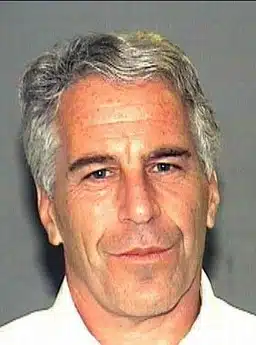
Source: Palm Beach County Sheriff's Department
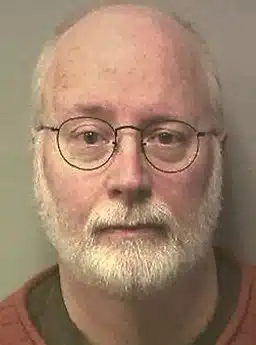
Source: United States Federal Government

Source: Weill Cornell Medicine
Strong sexual abuse cases rarely rest on one item of proof. They're built from survivor testimony, medical records, digital messages, witness accounts, institutional documentation, and expert analysis working together to show what happened and how the survivor was affected. Time matters too: legal teams that act quickly are better positioned to preserve the evidence that ends up being most persuasive. The Survivors of Abuse NY, led by Thomas Giuffra, Esq., is committed to providing dedicated, experienced legal representation to individuals who have endured sexual abuse.
Evidence serves two distinct purposes in sexual abuse cases in Long Island. It establishes that abuse occurred, and it demonstrates the harm that resulted, including physical injury, emotional trauma, lost opportunities, and ongoing medical or therapeutic needs. Few cases hinge on one dramatic piece of proof; most become strong because multiple smaller details all point the same direction.
This matters especially in sexual abuse cases because the abuse typically happens privately, without cameras or outside witnesses. That absence doesn't weaken a claim, but it does mean the evidence strategy needs to be broader and more deliberate than people assume. A survivor's account carries real weight, and it carries even more when paired with documents, records, and corroborating details that align with the timeline.
Sexual abuse cases surface in many settings: civil lawsuits, criminal investigations, settlement negotiations, or institutional claims against an employer, school, religious organization, healthcare provider, or other responsible party. Each setting has its own rules, but the underlying goal stays consistent — present the truth clearly, preserve it properly, and make it understandable to decision-makers.
One common misconception is that a case requires DNA, bruising, or torn clothing to succeed. That's not accurate. Physical evidence helps when available, but its absence doesn't eliminate a case. Testimony, records, and other forms of corroboration can establish what happened, particularly when the timeline and surrounding facts hold together.
The strongest cases often combine two categories of evidence:
Immediate documentation — medical visits, saved messages, journal entries, photos, police reports, or contemporaneous notes.
Later corroboration — therapist records, institutional complaints, witness statements, and patterns of similar conduct by the accused.
Together, these build a coherent and credible narrative.
Evidence isn't limited to proving the abuse itself; it also establishes the harm it caused. Fear, anxiety, depression, missed work, academic decline, sleep disruption, and relationship difficulties are all relevant in a civil case because they help quantify damages. This evidence often comes from therapists, doctors, school records, employment records, or people who witnessed changes in the survivor's life.
Text messages, emails, social media posts, voicemails, and app messages have become critical evidence categories. People sometimes confess, apologize, threaten, manipulate, or otherwise discuss events in ways that help establish what occurred. Even seemingly minor messages can matter if they reveal power dynamics, grooming behavior, pressure, intimidation, or attempts to silence a survivor afterward.
Deleting messages, discarding clothing, or delaying medical care can all weaken a case, even when the underlying abuse is real. Survivors are generally encouraged to save what they can, document details while memories are fresh, and seek legal guidance before records disappear. Cases built on evidence gathered carefully tend to hold up better than those assembled under pressure.
The most important evidence is the evidence that best connects the survivor’s account to objective support. In many cases, that starts with the survivor’s own testimony. A detailed, consistent, and credible account often forms the backbone of the case. But testimony becomes much stronger when supported by medical records, messages, witnesses, and documentation showing the aftermath of the abuse.
There is no universal hierarchy that fits every claim. In some cases, a recent medical exam may be the most powerful proof. In others, a series of text messages may be more revealing than anything else. In still others, the decisive evidence may be a prior complaint, a therapist’s notes, or an institutional report that shows the accused had been a concern before. The best evidence is the evidence that tells the full story.
Decision-makers look for credibility, consistency, and corroboration. That means the evidence should line up with the timeline and with the surrounding circumstances. If a survivor says they immediately texted a friend, sought treatment, or made a report, those records can help confirm the account. If the accused later made admissions or tried to silence the survivor, those communications can be highly persuasive.
Importantly, sexual abuse evidence often has to overcome myths. People may wrongly expect perfect memory, immediate reporting, or visible injury. Real cases do not always work that way. Survivors may freeze, delay reporting, or only later realize the seriousness of the abuse. Evidence should be evaluated in that context, not through unfair assumptions.
That is why a strong claim usually combines personal narrative with independent proof. The story explains what happened; the evidence makes that story verifiable. When those two parts reinforce each other, the claim becomes much more compelling.
Survivor testimony is often the most important single piece of evidence in a sexual abuse case because it provides the direct account of what occurred. Abuse frequently happens in private, and survivors are often the only firsthand witnesses to the event. A clear statement describing who, what, when, where, and how can be powerful, especially when it is given consistently over time.
Testimony is not just the final courtroom narrative. It begins much earlier. It may appear in a written intake, a report to law enforcement, a conversation with a therapist, or a note taken soon after the incident. The earlier and more detailed the account, the easier it may be to compare it against other evidence. Consistency does not mean every retelling is identical. Human memory is not mechanical. It means the essential facts remain stable and believable.
A good testimony can also explain context that documents cannot capture. It can describe coercion, fear, grooming, manipulation, power imbalance, intoxication, threats, or the survivor’s inability to resist. These details matter because sexual abuse is not always about visible force. It can also involve exploitation, authority abuse, deception, pressure, or inability to consent.
Survivor testimony becomes even stronger when it is supported by contemporaneous behavior. Examples include leaving the scene, crying, calling a trusted person, seeking medical attention, changing routines, or documenting the event in a message or journal. Those actions can show that the survivor reacted in a way consistent with trauma rather than fabrication.
A legal team will often help prepare the testimony carefully, not to script it, but to organize it. The goal is to ensure the account is clear, accurate, and complete. That includes identifying dates, participants, locations, witness contacts, and any physical or digital evidence that may exist. The more structured the narrative, the easier it is to investigate and present effectively.
Medical records can be critical in sexual abuse cases because they may document injuries, pain, trauma symptoms, sexually transmitted infections, pregnancy-related concerns, or psychological distress linked to the assault. Even when no visible injury is recorded, a medical appointment soon after the event can still support the timeline and show that the survivor sought help promptly.
For recent assaults, forensic evidence may be collected through a sexual assault medical exam. That exam can sometimes preserve biological material, note bodily injuries, document torn or damaged clothing, and capture observations that may become important later. The value of this evidence often depends on how quickly it was collected and whether it was handled properly.
Medical records do more than show injury. They can also show consistency. For example, if a survivor tells a doctor about pain, fear, sleep disruption, or nightmares, those symptoms can support the claim that the event had real and lasting consequences. Records from urgent care, emergency departments, primary care visits, gynecological care, or mental health treatment may all become relevant.
It is also important to understand what medical evidence can and cannot do. It may not prove every detail on its own. A normal exam does not mean nothing happened. Many assaults leave no visible marks, and some physical signs fade quickly. That is why medical documentation must be interpreted alongside the rest of the record, not in isolation.
When available, forensic evidence can be extremely persuasive because it is objective. DNA, injury documentation, and evidence collected through standardized procedures can help establish contact, timing, or the presence of trauma. Still, the absence of forensic proof should not stop a survivor from seeking advice, because many valid claims are built successfully without it.
Digital evidence is one of the most valuable forms of proof in modern sexual abuse cases. Texts, emails, chat logs, social media posts, direct messages, and voice messages can reveal admissions, threats, apologies, grooming behavior, coercion, or attempts to control the survivor after the abuse.
These records are helpful because they are often created close in time to the events. A message sent immediately after an incident may show distress, confusion, or a contemporaneous report. A later message may show the accused trying to minimize what happened or pressure the survivor not to report. Both kinds of exchanges can be highly relevant.
Digital proof can also help establish a timeline. Location data, timestamps, call logs, and app activity may confirm when communications happened and whether the accused and survivor were in contact before or after the abuse. Screenshots can be useful, but originals are better. If possible, preserve the device, the account, and any backup copies.
There are practical risks with digital evidence. Messages can be deleted, edited, or lost when a phone is replaced or an account is closed. That is why survivors should preserve anything relevant as soon as possible and avoid altering the material. If there is concern about authentication, a lawyer may be able to help obtain records in a more reliable form later.
Social media evidence can be especially revealing when the accused posts something inconsistent with their later account, interacts with the survivor, or communicates with others in a way that supports the timeline. Even public posts may matter if they show the relationship between the parties or the aftermath of the abuse.
Witnesses are important in sexual abuse cases even when they did not see the abuse itself. People who observed the survivor before or after the incident may be able to describe changes in mood, behavior, appearance, or routine. Friends, family members, roommates, coworkers, classmates, counselors, or others may all have useful observations.
Witness statements matter because they help corroborate the survivor’s account. A witness may remember a phone call, a tearful conversation, an abrupt change in behavior, a request for help, or a disclosure made soon after the event. Those details can support the timeline and show that the survivor’s reaction was consistent with trauma.
In some cases, indirect witnesses can be just as valuable as direct ones. Someone who saw the survivor shortly after the event may be able to testify that they were distressed, withdrawn, injured, or afraid. Another person may have noticed the accused acting possessive, controlling, or unusually interested in isolating the survivor. Patterns like these can help tell the full story.
Witnesses can also be important in institutional cases. If other people complained, reported concerns, or observed behavior that raised red flags, those accounts may help show that the organization knew or should have known about the risk. That can be especially important when the claim involves supervision failures, ignored warnings, or repeated misconduct.
The best witness evidence is specific. General statements like “they seemed upset” are less helpful than concrete details about what the witness saw, heard, or was told. Dates, locations, texts, and exact words all strengthen credibility.
Official records can be extremely valuable because they show that concerns were raised and documented. Police reports, campus complaints, internal investigation files, hotline reports, HR complaints, incident logs, and grievance records may all help establish what was reported and how the organization responded.
These records can support a case in several ways. They may show a prior complaint against the same person, a delay in response, inconsistent discipline, or a failure to protect others after warnings were received. They may also document statements made by the survivor close in time to the assault, which can help confirm the timeline.
Institutional records are especially important when the abuse occurred in a setting where someone was supposed to provide safety, supervision, or oversight. In those cases, the evidence is not just about the abuse itself. It is also about whether leaders ignored red flags, failed to investigate, or allowed the situation to continue. That can significantly affect the scope of the claim.
Even when an official report did not lead to an arrest or discipline, the record may still be useful. Many valid claims begin with reports that were minimized or mishandled. The existence of the report itself can still matter because it shows the issue was raised and may have created a duty to act.
Survivors should not assume that because an institution did not believe them at the time, the records are worthless. Quite the opposite: a poorly handled complaint can become key evidence of negligence, indifference, or pattern behavior.
Personal documentation can be powerful because it captures a survivor’s thoughts and emotions near the time of the abuse. Journals, notes, calendars, diaries, voice memos, and written recollections may help prove when events happened and how the survivor experienced them.
These records are useful because they are often made before litigation is ever contemplated. That makes them harder to dismiss as manufactured evidence. A note written for personal processing, especially if it includes dates, details, and emotional reactions, can help show authenticity and consistency.
Contemporaneous notes may also fill gaps that memory cannot. Survivors may forget exact dates but remember holidays, school terms, work shifts, medical appointments, or other milestones. A calendar entry or journal note can help place the event in a timeline and connect it to other documents.
If a survivor kept a journal or notes, they should preserve the originals and make copies. The original format can matter because it may show dates, edits, metadata, handwriting, or other details that help authenticate the record. If the notes were digital, save the device and backups if possible.
Even if the writing is brief or emotionally raw, it can still matter. People do not usually write polished legal narratives when they are in pain. Honest, imperfect, immediate notes can actually be more persuasive because they feel real.
Expert testimony can help explain the effects of sexual abuse and why a survivor’s behavior may look different from what an uninformed observer expects. Therapists, psychologists, medical professionals, and other qualified experts may explain trauma responses, memory issues, delayed disclosure, dissociation, fear, or post-traumatic symptoms.
This kind of evidence is especially helpful when the defense argues that the survivor should have reacted differently. Experts can explain that trauma does not follow one predictable path. Some people report quickly. Others delay. Some appear calm. Others become overwhelmed. These responses do not automatically make a claim less credible.
Psychological records may also document treatment for anxiety, depression, post-traumatic stress, sleep problems, panic, self-blame, or other harm linked to the abuse. In civil cases, those records can help quantify damages and show the lasting impact of the abuse on daily life.
Expert evidence may also help connect the dots between different forms of proof. For example, an expert might explain how certain messages, behavioral changes, or medical symptoms fit a trauma pattern. That can make the case easier for a judge, jury, mediator, or claims reviewer to understand.
It is important that expert opinions be grounded in the actual records and facts of the case. Strong expert testimony is specific, careful, and consistent with the evidence. It does not replace proof; it interprets it professionally.
Evidence of prior complaints or similar conduct can be important in sexual abuse cases because it may show a pattern rather than a one-time allegation. If the accused had been reported before, if warnings were ignored, or if the same behavior was repeated with multiple people, that information can significantly strengthen the claim.
Pattern evidence is especially important in institutional cases. If leaders received complaints, observed warning signs, or failed to monitor a known risk, those facts may demonstrate negligence or reckless disregard. In some cases, the institution’s own records may reveal that the problem was known but not addressed.
Similar conduct evidence can also help explain grooming behavior. Abusers often test boundaries gradually, isolate survivors, normalize inappropriate contact, or use authority and trust to reduce resistance. Evidence that the accused behaved similarly with others can help show intent and method.
This kind of evidence must be handled carefully because legal rules about admissibility can be complex. Some proof may be allowed for certain purposes and not others. That is why experienced legal review is essential. A claim can be strong even when the lawyer must narrow or refine how the pattern evidence is presented.
When available, pattern evidence can significantly increase credibility by moving the case from an isolated accusation to a broader, corroborated narrative. It may also reveal that others were harmed in ways that were never fully reported.
In sexual abuse cases, timing is often one of the most important factors in preserving evidence. The sooner a survivor records what happened, the more likely they are to preserve details that will matter later. Messages, medical records, witness recollections, and physical evidence all become harder to obtain as time passes.
Prompt action also helps prevent disputes about authenticity. A message sent immediately after the event is often more persuasive than a recollection written years later. A medical visit soon after the assault is easier to connect to the event. A witness contacted early is more likely to remember details accurately.
That said, delayed disclosure does not mean a case fails. Survivors may need time before they are safe enough to come forward. Trauma, fear, shame, dependence, and confusion all affect reporting. The legal system can and should take those realities into account. The point of early action is to preserve proof, not to judge the survivor’s pace.
If evidence was not gathered immediately, a lawyer can still look for alternative proof. Phone records, therapy notes, records of disclosures, work absences, transportation logs, security footage, and institutional complaints may still exist. A well-built case often comes from creative evidence-gathering rather than a single perfect item.
A sexual abuse lawyer helps by identifying what evidence exists, what needs to be preserved, and what can still be requested from third parties. That may include records from healthcare providers, phone carriers, employers, schools, counselors, law enforcement agencies, or organizations that had responsibility over the accused.
Lawyers also help organize the facts into a coherent timeline. This step is more important than many people realize. Even strong evidence can feel scattered if it is not arranged carefully. A timeline helps show when the abuse happened, when it was disclosed, what support was sought, and how the survivor was affected.
Another key role is protecting the survivor from unfair tactics. In sexual abuse cases, defense lawyers may try to focus on irrelevant details, attack credibility, or suggest that the absence of one type of evidence defeats the claim. A skilled advocate keeps the case centered on legally relevant proof and prevents the focus from drifting away from the real issues.
Legal counsel can also identify whether expert review is needed and whether certain evidence should be preserved through formal notices or subpoenas. The sooner that process begins, the greater the chance that important records will not be lost.
For survivors, this guidance can be both emotionally and legally important. Gathering evidence is not just a technical task. It is part of building a record that tells the truth in a way institutions and courts can evaluate fairly.
If a survivor is in a position to preserve evidence, certain items are especially important. Save text messages, emails, screenshots, call logs, voicemails, photos, appointment records, discharge paperwork, journal entries, and any clothing or items connected to the incident if they may still matter. Keep names and contact information for anyone who might have seen, heard, or been told something shortly after the event.
It is also wise to write down a private timeline while the details are fresh. Include dates, times, locations, what was said, what happened before and after, and any actions taken afterward. Even if the timeline is rough, it can help later when memories become less immediate.
Do not edit screenshots in a way that removes context. Preserve the original files whenever possible. If material is copied, keep the copy and the original. If a device or account may contain relevant data, avoid wiping it or replacing it until the legal team has had a chance to assess it.
If the survivor already spoke with someone, note who it was and what was said. First disclosures can be very important. The person who heard the disclosure may later become a witness, and the timing of that conversation may help validate the account.
Finally, seek support early. Medical care, advocacy services, therapy, and legal guidance can all help create a safer and stronger path forward. Evidence is important, but so is the survivor’s well-being.
If you or someone you love has experienced sexual abuse, you don't have to navigate the legal process by yourself. Our experienced attorneys are here to listen, answer your questions, and help you understand your options — with no obligation and no cost. Reach out today for a free, confidential consultation and take the first step toward the justice and support you deserve.
The single most important evidence is often the survivor’s own testimony, because it provides the direct account of what happened. In many sexual abuse cases, there are no witnesses to the abuse itself, so the survivor’s story becomes the foundation of the claim. That testimony is strongest when it is detailed, consistent, and supported by other proof such as medical records, messages, witness statements, or institutional documentation. A claim does not usually depend on one perfect item. It becomes stronger when the testimony aligns with objective records and the timeline. If the survivor reported the abuse promptly, sought medical care, or documented the event in writing, those facts can reinforce credibility and make the account easier to verify.
Yes. A sexual abuse case can still succeed without physical evidence. Physical proof such as DNA, bruising, or torn clothing can be helpful, but it is not required in every case. Many abuse incidents do not leave visible injuries, and some evidence disappears quickly. Courts and investigators can rely on survivor testimony, digital messages, witness statements, medical records, journal entries, and reports made to others. What matters is whether the total evidence creates a credible and convincing picture. In some cases, the absence of physical evidence is less important than the consistency of the survivor’s account and the presence of corroborating records that fit the timeline. A strong legal strategy often focuses on building a complete evidentiary picture rather than depending on any single form of proof.
Text messages and emails are useful because they can reveal what was said close in time to the abuse. They may include admissions, apologies, threats, grooming behavior, coercion, or attempts to silence the survivor. They also help establish timing, which is critical in any sexual abuse case. A message sent immediately after the event may show distress or a contemporaneous disclosure, while later messages may show manipulation or denial. Digital records are often more persuasive than memory alone because they were created in real time. They can also show relationships, location clues, and patterns of communication. If survivors have these records, they should preserve the original messages and avoid deleting or editing them.
Medical records can help prove sexual abuse by documenting physical injuries, pain, trauma symptoms, sexually transmitted infections, pregnancy-related issues, or mental health effects that are consistent with abuse. A medical visit soon after the incident can also support the timing of the claim. Even if the exam does not show visible injuries, the fact that the survivor sought care may still be important. In recent cases, a forensic exam may preserve biological evidence or note observations that are useful later. Medical records are especially helpful when they connect the survivor’s account to objective documentation from a professional source. They do not need to prove everything by themselves. Instead, they add weight to the overall case and help show that the survivor’s account is medically consistent with the aftermath of sexual trauma.
If the abuse occurred a long time ago, the case may still be viable depending on the facts and the applicable law. Older cases often rely less on physical evidence and more on records, witness recollections, institutional files, therapy notes, journals, and pattern evidence. Survivors may also remember important details through documents, messages, school records, medical history, or disclosures they made to others. Time can make proof harder to gather, but it does not automatically make a claim invalid. A lawyer can help identify what evidence still exists and whether additional records can be requested. In older cases, the quality of the narrative and the available corroboration become especially important. Even if some records are missing, other evidence may still be enough to support a claim.
Witness statements matter because many people who help prove sexual abuse were not present for the assault itself. Friends, family members, coworkers, roommates, teachers, counselors, or other observers may have seen the survivor before and after the incident. They may remember emotional distress, behavioral changes, a disclosure, or other signs consistent with trauma. Some witnesses may also know about prior warnings, complaints, or concerning conduct by the accused. This kind of corroboration can be very valuable because it supports the survivor’s account without requiring anyone to have observed the assault directly. In practice, indirect witnesses often help establish the timeline, the survivor’s condition, and the broader context around the abuse.
Yes, but screenshots should be saved carefully. They can be useful, especially if they capture messages, threats, admissions, or contact between the parties. However, the original source is usually more reliable than a screenshot alone. If possible, preserve the device, the account, the full conversation thread, and any backups. Do not crop out context if it removes relevant information. Keep the date, time, and sender information visible. If the evidence is later used in a legal claim, a lawyer may want to verify authenticity through records from the device or service provider. The safest approach is to preserve as much of the original digital evidence as possible and avoid altering it.
Not reporting right away does not mean your case is weak or invalid. Many survivors delay reporting because they are afraid, confused, dependent on the abuser, or uncertain about what happened. Trauma can also affect memory and decision-making. A delayed report may still be supported by other evidence, including messages, records, witness statements, therapy notes, or later disclosures. In some cases, a first disclosure is made to a trusted friend, family member, counselor, or doctor instead of law enforcement or an institution. That can still be important evidence. The key is to document what you can now and work with a lawyer to identify the strongest available proof. The timing of the report is one factor, but it is not the only factor that matters.
Yes. Personal journals, notes, and diaries can be very helpful because they may show that the survivor was describing the abuse near the time it happened. Those records can help establish dates, emotional reactions, and details that might otherwise be forgotten. They are often useful because they were created for personal reasons rather than for litigation, which can make them feel more authentic. A journal can also fill in gaps in memory by connecting events to other parts of life, such as work schedules, holidays, appointments, or travel. If the notes are handwritten or digital, preserve the original version if possible. Even brief notes can matter if they are consistent with the rest of the evidence and help confirm the timeline.
Institutions can become part of a sexual abuse claim when they knew or should have known about the risk and failed to act responsibly. That may include ignoring complaints, failing to supervise, allowing unsafe conditions, or not removing a person who had already caused harm. Relevant evidence may include complaint files, HR records, incident reports, prior warnings, policies, training materials, and internal emails. These records can show whether the organization responded appropriately or allowed the danger to continue. In a claim involving an institution, the evidence is not just about the abuse itself. It is also about the organization’s decisions before and after the abuse. That is why internal records and pattern evidence can be so important.
If you think you have evidence, the first step is to preserve it. Save messages, photos, documents, call logs, medical paperwork, notes, and witness names. Avoid deleting, editing, or forwarding evidence in a way that changes the original source. Write down a private timeline while the details are fresh. Then seek legal guidance so someone can evaluate the evidence, identify any additional records that may exist, and help protect the information from loss. If medical care is needed, get that care as soon as possible. If the evidence includes digital material, keep the device and original files if you can. Acting quickly can make a significant difference in how strong the case becomes later.
Understanding what evidence matters in a sexual abuse case can make the legal process feel less overwhelming. The strongest claims are usually built from a combination of survivor testimony, records, communications, witness accounts, and corroborating proof that together show both what happened and how it affected the survivor. No single item decides every case. What matters is the overall picture.
If you are evaluating a claim, focus on preservation first, documentation second, and legal guidance as soon as possible. The more carefully the evidence is gathered and organized, the better the chance that the truth can be presented clearly and credibly.
Thomas Giuffra, Esq. - The Abuse Lawyer NY
551 5th Avenue, 29th Floor,
New York, NY 10017
(646) 413-6394
Hours Of Operation
Monday: 24 Hours
Tuesday: 24 Hours
Wednesday: 24 Hours
Thursday: 24 Hours
Friday: 24 Hours
Saturday: 24 Hours
Sunday: 24 Hours
Cases We Handle
Sexual abuse lawyer
Child abuse lawyer
Clergy abuse lawyer
Private boarding school abuse lawyer
Doctor abuse lawyer
Daycare abuse lawyer
Hazing and Bullying abuse lawyer
Massage spa abuse lawyer