Schedule A Call Now
A New York Sexual Abuse Lawyer For Survivors
Over 50 Years Experience \\ Get Help 24/7
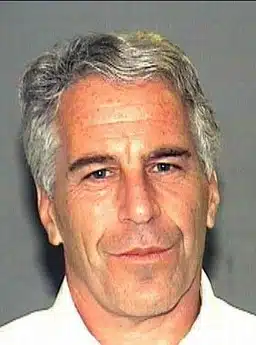
Source: Palm Beach County Sheriff's Department

Source: United States Federal Government

Source: Weill Cornell Medicine
Psychiatric care is built on trust, vulnerability, and the expectation that a clinician will protect a patient’s dignity at every stage of treatment. When that trust is violated, the harm can be profound. Psychiatrist sexual abuse is not limited to obvious physical acts; it can also include grooming, coercion, sexualized conversations, boundary violations, misuse of clinical authority, and conduct that exploits the power imbalance inherent in treatment. For survivors trying to make sense of what happened, the first step is often understanding where professional misconduct ends and abuse begins. If you are looking for a clear explanation of your rights and options, you can review the resources offered by The Abuse Lawyer NY’s sexual abuse legal resources and support services to better understand how these cases are approached.
This topic matters because psychiatric treatment places patients in one of the most vulnerable positions in healthcare. Patients may disclose trauma, intense emotions, relationship concerns, sexual history, and deeply personal fears. A psychiatrist who uses that access for sexual gratification is not engaging in a misunderstanding or a poor bedside manner. That conduct is abusive, unethical, and often legally actionable. The core issue is not just whether there was physical contact. It is whether the psychiatrist exploited the therapeutic relationship in a way that harmed the patient emotionally, psychologically, or physically.
In many situations, survivors are unsure whether what they experienced “counts” as abuse. They may question themselves if the psychiatrist never touched them, if they felt confused at the time, or if the behavior seemed to start subtly. That uncertainty is common. Predatory conduct often begins with small boundary crossings that gradually escalate. A psychiatrist may start by asking overly personal questions, offering special treatment, making suggestive remarks, extending sessions for reasons unrelated to care, or presenting the patient as uniquely understood. Those tactics can lower defenses and make it harder to recognize manipulation in the moment.
Another reason this issue is so difficult is that psychiatric relationships involve authority. Patients may believe the psychiatrist knows what is clinically appropriate, so they may interpret inappropriate behavior as treatment. They may also fear being labeled unstable, not believed, or blamed for encouraging the conduct. Those fears can delay reporting for months or years. A careful understanding of the warning signs can help survivors identify what occurred and decide how to move forward.
Psychiatrist sexual abuse refers to any sexualized conduct by a psychiatrist that takes advantage of a patient or former patient through the clinical relationship. The key elements are not just the presence of sexual behavior, but also the abuse of professional power and trust. A psychiatrist is expected to maintain strict boundaries because the relationship is inherently unequal. Patients rely on the psychiatrist for diagnosis, emotional support, medication management, and crisis care. Sexual conduct in that setting is incompatible with ethical treatment.
This abuse can happen during active treatment, after treatment has ended, or even in situations where the psychiatrist uses the relationship to initiate later sexual contact. It may involve direct physical acts, but it can also involve conduct that is sexual in nature without physical touching. The patient does not need to prove that they welcomed the conduct. In fact, the existence of consent is often questioned in these cases because a power imbalance can make genuine consent impossible or unreliable.
It is also important to understand that abuse may exist even if the psychiatrist frames the conduct as therapeutic, artistic, spiritual, or emotionally expressive. Some professionals manipulate patients by claiming that unusual behavior is part of treatment. That explanation does not erase the harm if the conduct is actually designed to fulfill the psychiatrist’s personal or sexual desires. Survivors should focus on what happened, how it affected them, and whether professional boundaries were violated.
A psychiatrist's sexual abuse can take many forms. Some are obvious, while others are subtle and difficult to identify at first. One of the most direct forms is any sexual contact between the psychiatrist and patient. That may include kissing, touching, fondling, oral sex, intercourse, or attempts to initiate such acts. Even one incident can be devastating because of the betrayal involved.
Another form is sexualized communication. This can include comments about the patient’s body, clothing, attractiveness, or sexual experiences that are not clinically necessary. It may also include jokes, innuendo, flirtation, or statements that create a romantic or sexual tone. When a psychiatrist turns therapy into a space for personal sexual expression, the patient’s sense of safety can collapse.
Grooming is another common pattern. Grooming involves gradually normalizing boundary violations so the patient becomes less likely to object. A psychiatrist may give special attention, disclose personal vulnerabilities to appear relatable, share gifts, request off-the-clock communication, or blur professional and personal roles. These actions can make later abuse easier to conceal.
Some psychiatrists use emotional dependency as a tool. They may tell the patient that no one understands them the way the psychiatrist does or suggest that leaving treatment would harm the patient. When the clinician becomes the center of the patient’s emotional world, the patient may feel trapped. That dependency can be exploited to introduce sexual behavior or keep the patient silent afterward.
Digital misconduct can also be abusive. This may include sexual messages, explicit photos, requests for intimate pictures, social media contact, or late-night communications that become increasingly personal. If a psychiatrist uses electronic communication to pursue or encourage sexual interaction, that conduct may be a serious boundary violation and evidence of abuse.
There are also situations involving coercion disguised as care. A psychiatrist might imply that the patient needs to explore sexuality with the psychiatrist to heal trauma or improve symptoms. That is not therapy. It is an abuse of the therapeutic relationship and should be treated as a serious red flag.
Psychiatric treatment depends on trust, and trust depends on a clear separation between the clinician’s role and the patient’s vulnerability. A psychiatrist has authority over diagnosis, treatment planning, medication, records, referrals, and sometimes involuntary care decisions. Even where those legal powers are limited, the psychiatrist’s opinions can carry enormous weight. Patients may believe they must comply to receive care or avoid being seen as difficult.
This power imbalance is why sexual conduct in psychotherapy and psychiatric treatment is so damaging. A patient may feel pressure to go along with the psychiatrist’s behavior because they fear losing care, being judged, or being told their feelings are a symptom. The clinician’s status can distort the patient’s ability to make free choices. What might look like “consent” from the outside may actually be compliance under pressure.
The imbalance can also affect memory and perception. When a trusted clinician acts inappropriately, patients often try to make sense of it by rationalizing the behavior. They may tell themselves the psychiatrist was joking, stressed, or misunderstood. That confusion is part of how boundary abuse can operate. By the time the patient recognizes the behavior as sexual abuse, the emotional impact may already be significant.
Survivors should know that the existence of a professional power imbalance is one reason these cases are treated so seriously. The law and professional ethics recognize that the patient is not in an equal bargaining position. The issue is not just whether a physical act occurred, but whether the psychiatrist exploited a role that required heightened responsibility and restraint.
Not every boundary violation is immediately recognizable as abuse, but there are clear warning signs. One major sign is a psychiatrist who frequently shifts conversations into personal or sexual territory without a legitimate clinical purpose. Another warning sign is the creation of secrecy, such as asking the patient not to tell anyone about the relationship, the messages, or the unusual topics discussed in therapy.
Patients should also be alert to favoritism. If a psychiatrist appears to treat one patient differently, gives extra access, or makes one patient feel special in a way that is not clinically justified, that may be part of grooming. The same is true when a psychiatrist shares personal details that seem intended to build intimacy instead of support treatment.
Physical red flags can include unnecessary touching, standing too close, hugging without a clear clinical reason, or touching that makes the patient uncomfortable. Some survivors describe a slow progression where the psychiatrist first seems unusually warm, then increasingly intrusive, and eventually overtly sexual. That progression is common in abusive relationships because it reduces the chance of immediate resistance.
Another sign is blame-shifting. If a psychiatrist suggests the patient misunderstood, was fantasizing, or is responsible for the interaction because of their own feelings, that is a serious warning. Abuse often involves making the patient doubt their own judgment. If a professional repeatedly recasts misconduct as part of the patient’s pathology, the patient may become even less likely to report it.
Patients may also notice that the psychiatrist becomes defensive when boundaries are raised. A healthy clinician will respect limits, clarify expectations, and keep the focus on care. An abusive one may become angry, manipulative, or emotionally punishing. That reaction can reveal that the relationship has already moved far outside professional norms.
Consent in a psychiatric setting is not the same as consent between two people with equal power and no therapeutic relationship. Because the psychiatrist holds authority and the patient is in a dependent role, apparent agreement does not necessarily make the conduct ethical or lawful. In many cases, the law and professional rules treat sexual contact with a current patient as prohibited, regardless of whether the patient appeared to agree.
That distinction matters because survivors often blame themselves for not resisting strongly enough or for not reporting immediately. But coercive dynamics can create hesitation, fear, confusion, shame, and emotional paralysis. A patient may not fully understand the seriousness of the behavior until much later. That delay does not make the abuse less real.
Consent also becomes questionable when a psychiatrist has manipulated the patient through transference, dependency, or emotional isolation. The therapist may know the patient is vulnerable to approval, affection, or reassurance. Using that vulnerability to obtain sexual gratification is exploitative. Survivors do not need to prove they explicitly said no in every instance to show that abuse occurred.
If you are evaluating your own experience, ask whether the psychiatrist had leverage that affected your ability to freely choose. Consider whether you felt pressured, confused, indebted, frightened, or emotionally cornered. Those are often signs that what happened was not genuine consent but abuse of authority.
The harm from a psychiatrist's sexual abuse is often layered. There may be immediate shock, disgust, fear, and shame. Over time, survivors may experience worsening anxiety, depression, sleep problems, intrusive thoughts, panic, distrust of clinicians, and difficulty forming relationships. Some people feel deeply betrayed because the person who was supposed to help them heal became the source of trauma.
Many survivors also experience self-blame. They may replay conversations and wonder why they did not recognize the danger sooner. That self-questioning is common, but it does not mean the survivor caused the abuse. Manipulative professionals rely on confidentiality, authority, and emotional vulnerability. The responsibility lies with the psychiatrist who crossed the line.
There can also be practical harm. A survivor may stop treatment altogether, avoid mental health care for years, or have trouble returning to therapy. Medication management may be disrupted. Work, school, family life, and physical health can all suffer as a result. In some cases, the abuse compounds earlier trauma, making recovery much more complicated.
Because the impact is so broad, survivors often benefit from documenting symptoms, missed appointments, medication changes, and any emotional or physical effects that followed the misconduct. This kind of record can be important for both healing and potential legal action. It can also help demonstrate how the abuse affected daily life, not just the moment of the incident.
Evidence in these cases may come from many sources. Messages, emails, call logs, appointment records, billing documents, calendars, witness statements, and written journals can all help establish what happened. Even when no one else directly observed the abuse, patterns of communication and timing can support a claim. The absence of a video recording does not mean a case cannot be proven.
Patients should preserve anything that may indicate the progression of the relationship. This may include texts that became personal, notes about what was said in sessions, screenshots, social media interactions, and records showing unusual appointment patterns. If the psychiatrist asked for secrecy, that too can be significant.
Clinical records may also be important. They can show diagnosis, medication changes, reported symptoms, and references to interactions that later appear suspicious. Sometimes records reveal whether the psychiatrist documented facts that conflict with the patient’s account or failed to note obvious concerns. Those details can help clarify whether professional standards were followed.
It is wise to keep a timeline while memories are fresh. Even if the timeline is incomplete, it can help identify key moments such as the first boundary crossing, the first sexual remark, the first private communication, and the first physical contact. A clear chronology often becomes valuable if you later speak with an attorney or report the conduct.
If you think you may have experienced a psychiatrist's sexual abuse, your first priority is safety. If possible, stop private communication with the psychiatrist and avoid being alone with that person. If you need to continue care in the short term, consider bringing a support person or asking for records before ending treatment. If there is immediate danger, seek emergency help.
It may also help to move your medical care to another provider or practice so you no longer depend on the same provider or practice. Survivors often hesitate because they do not want to disrupt treatment. That concern is understandable, but continued exposure to an abusive clinician can deepen harm. A new provider can help address both the trauma and any ongoing mental health needs.
Document what happened as soon as you can. Write down dates, places, words used, and how the behavior made you feel. Save electronic communications. If you have already told a friend, relative, or therapist, note that conversation too. Early documentation can make the facts clearer later.
You may also want to speak with a lawyer who handles sexual abuse claims. Legal guidance can help you understand whether the conduct may support a civil case, what evidence to preserve, and whether deadlines apply. If you are exploring that route, the page on psychiatrist sexual abuse legal help for survivors and families offers a focused starting point. Another useful internal resource is confidential contact options for survivors seeking legal guidance, which can help you take the next step without having to navigate the process alone.
Psychiatrist sexual abuse can raise serious civil issues. Depending on the facts, a survivor may have claims related to sexual abuse, intentional infliction of emotional distress, negligent hiring or supervision, failure to protect, or other misconduct tied to an institution’s role. When a psychiatrist works within a clinic, hospital, practice group, or similar setting, questions may arise about whether the organization knew or should have known about the danger and failed to act.
These cases often involve careful review of policies, supervision, prior complaints, credentialing records, and internal responses. If an institution ignored warning signs, reassigned complaints without action, or allowed the psychiatrist to continue access to patients, that can matter. The point is not only to address the individual abuser but also to examine whether systems failed to protect vulnerable patients.
Civil claims can serve multiple purposes. They can provide accountability, help cover treatment costs, and document harm formally. They can also expose patterns that protect future patients. Not every survivor wants to file a case, and no one should feel forced into that decision. But understanding the legal landscape can help a survivor make an informed choice.
Because timing rules can be complicated, it is important not to assume you have unlimited time. Deadlines can depend on the nature of the claim, the age of the survivor, when the abuse occurred, when it was discovered, and whether an institution was involved. A qualified attorney can help assess those issues after reviewing the facts.
A first conversation with a lawyer should be centered on your comfort and safety. You should not have to relive every detail at once. A thoughtful attorney will listen, ask only the questions needed to evaluate the claim, and explain possible next steps in plain language. The goal is to help you understand your options, not pressure you into a decision.
Before the meeting, it can help to gather a brief timeline, any messages or documents, and the names of witnesses or support persons who may know something about the situation. If you do not have much documentation, that is okay. Many survivors begin with only fragments. A lawyer can help determine whether additional information exists.
It is also reasonable to ask questions about confidentiality, fees, deadlines, and the likely pace of the case. Trust is important when choosing counsel, especially for a matter involving sexual abuse and psychological harm. If a lawyer is dismissive, rushes you, or seems uninterested in the emotional dimensions of the case, that may not be the right fit.
Survivors often feel relief simply from being believed and treated respectfully. A good legal process should reinforce that feeling. It should not replace therapy or support, but it can be one part of reclaiming control after abuse.
Many survivors hesitate to report because they are uncertain, ashamed, or afraid of being questioned. That hesitation is understandable. Yet reporting can still matter even if you are not ready to pursue a legal claim. A report may help create a record, alert an employer or professional body, or prevent future misconduct. It can also help the survivor move from isolation to acknowledgment.
Reporting is a personal decision, not a moral obligation. Some people report immediately. Others wait. Some never report at all. Each path is understandable. What matters is that the survivor is not pressured to act before they are ready. If you do consider reporting, a lawyer or advocate can help you think through the consequences and benefits.
It is also worth noting that survivors often worry a report will not be believed because the psychiatrist is educated, respected, or experienced at explaining conduct. But patterns of behavior, documents, and corroborating details can make a meaningful difference. Even when proof is imperfect, a survivor’s account remains important.
Ultimately, reporting can be one way to reassert reality after manipulation. When abuse has been hidden behind professional language, naming it clearly can be powerful. That said, safety, mental health, and support should guide the decision.
Not every mistake by a psychiatrist is sexual abuse. A poor bedside manner, a clumsy comment, or a misunderstood interaction is not the same as exploitative conduct. The difference usually lies in intent, pattern, boundary-crossing, and the exploitation of power. A mistake may be corrected. Abuse tends to repeat, escalate, or serve the clinician’s personal interests rather than the patient’s care.
If the conduct involved secrecy, sexualization, manipulation, or pressure, that points much more strongly toward abuse. If the psychiatrist ignored objections, normalized impropriety, or reframed your discomfort as a symptom, those are major concerns. If the behavior made you feel coerced, ashamed, dependent, or trapped, that is also highly relevant.
Survivors should not minimize conduct simply because it did not fit a stereotype. Abuse does not have to look dramatic to be serious. A single suggestive statement can be part of a broader pattern that harms the patient. Likewise, conduct that seems “only emotional” may still be abusive if it weaponizes the therapeutic relationship.
When in doubt, focus on the effects: Did the interaction violate your trust, interfere with treatment, or make you feel sexualized in a setting meant for care? If so, the behavior deserves close scrutiny.
Psychiatrist sexual abuse includes any sexualized conduct by a psychiatrist that exploits a patient’s vulnerability or the therapist-patient power imbalance. It can involve physical sexual contact, sexual comments, grooming, coercive messaging, or boundary violations that create a sexualized dynamic. Even if the patient appeared to agree, the imbalance of power may make the conduct abusive rather than consensual. The important question is whether the psychiatrist used the clinical relationship for personal sexual gratification or blurred the role in a way that harmed the patient.
Yes. Sexual abuse can occur without physical touching. A psychiatrist may use sexual remarks, suggestive messages, invasive questions, emotional manipulation, or grooming to create a sexualized relationship. Some survivors experience severe harm from verbal conduct alone, especially when it occurs in a setting where they expected help and safety. The abuse may be emotional, psychological, and relational rather than physical, but it can still be deeply damaging and legally significant.
Consent is complicated in a psychiatric relationship because the psychiatrist holds authority, and the patient is dependent on care. That power imbalance can undermine real freedom of choice. A patient may feel pressured, confused, or afraid to refuse. In many situations, especially during active treatment, apparent agreement does not erase the ethical violation or the abusive nature of the conduct. The fact that the psychiatrist had leverage over the patient is often central to evaluating the issue.
Common warning signs include sexualized comments, excessive personal disclosure, private messages that become intimate, unnecessary touching, requests for secrecy, favoritism, and repeated boundary crossings. Another major warning sign is when the psychiatrist blames the patient, says the behavior is therapeutic, or implies that speaking up would be harmful. A slow pattern of grooming is especially concerning because it can make later abuse harder to identify. If you felt confused, pressured, or trapped, those feelings deserve attention.
Bad therapy may involve poor communication, an unhelpful style, or a clinical mistake. Abuse usually involves sexualization, manipulation, coercion, secrecy, or exploitation of the patient’s vulnerability. Ask whether the psychiatrist’s conduct served your treatment or their own interests. If the behavior made you feel unsafe, felt special in an inappropriate way, or made you dependent on the clinician for approval, it may be more than just bad practice. A lawyer or trauma-informed professional can help you assess the facts without judgment.
Save messages, emails, appointment notes, calendar entries, billing records, screenshots, and any written timeline you create. If the psychiatrist communicated outside sessions or asked for secrecy, preserve those communications. You can also document how the conduct affected your sleep, anxiety, treatment, relationships, and daily life. Even if you do not have every detail, partial records can still be very useful. The sooner you preserve what you have, the less likely it is that important evidence will disappear.
Yes. Reporting and filing a lawsuit are different decisions. You may choose to do one, both, or neither, depending on your goals and readiness. Some survivors report creating a record or protecting others, while others focus first on healing. If you are unsure, you can speak with a lawyer or advocate confidentially to understand your options. No one should pressure you into an immediate choice, especially when the experience involves trauma and betrayal.
Possibly. If the psychiatrist worked for a clinic, hospital, or other institution, that organization may face liability in some circumstances. Questions may include whether it failed to properly screen the psychiatrist, ignored complaints, lacked appropriate supervision, or permitted access to patients despite warning signs. Institutional liability depends on the facts, but it is often an important part of these cases because abuse can sometimes be prevented when proper safeguards are in place.
Start by protecting your safety and preserving evidence. Avoid one-on-one contact with the psychiatrist if possible, save communications, and write down what happened while the details are fresh. If you need mental health support, consider reaching out to a new provider who is not connected to the situation. You can also contact a lawyer for a confidential review of your options. Taking one small step at a time is enough; you do not have to solve everything at once.
Survivors often wait because the abuse involved trust, authority, confusion, and shame. They may not realize the conduct was abusive until much later, especially if the psychiatrist framed it as therapy or made the patient feel responsible. Fear of not being believed, concern about emotional fallout, and the shock of betrayal can all delay disclosure. Waiting does not make the experience less real. It usually reflects the complexity of what happened and the difficulty of naming abuse by a trusted professional.
Psychiatrist sexual abuse is a serious violation of trust that can include physical acts, sexual comments, grooming, coercive communication, and any misuse of the therapeutic relationship for personal sexual gain. The central issue is not only whether there was contact, but whether a psychiatrist exploited a patient’s vulnerability and authority imbalance in a setting meant for care. Survivors often minimize what happened at first, especially when the behavior unfolded gradually or was disguised as treatment. But confusion, shame, and delay are common responses to abuse, not signs that the abuse did not occur.
If you are trying to understand your experience, focus on the pattern, the power imbalance, and the impact on your well-being. Preserve evidence, document your timeline, and seek support from a trusted professional or legal advocate if you feel ready. For readers who want to learn more about their options, The Abuse Lawyer NY provides helpful resources on survivor rights, accountability, and next steps through its sexual abuse advocacy pages. No survivor should have to navigate this alone, and no psychiatrist should be allowed to use treatment as a cover for exploitation.
Thomas Giuffra, Esq. - The Abuse Lawyer NY
551 5th Avenue, 29th Floor,
New York, NY 10017
(646) 413-6394
Hours Of Operation
Monday: 24 Hours
Tuesday: 24 Hours
Wednesday: 24 Hours
Thursday: 24 Hours
Friday: 24 Hours
Saturday: 24 Hours
Sunday: 24 Hours
Cases We Handle
Sexual abuse lawyer
Child abuse lawyer
Clergy abuse lawyer
Private boarding school abuse lawyer
Doctor abuse lawyer
Daycare abuse lawyer
Hazing and Bullying abuse lawyer
Massage spa abuse lawyer