Schedule A Call Now
A New York Sexual Abuse Lawyer For Survivors
Over 50 Years Experience \\ Get Help 24/7
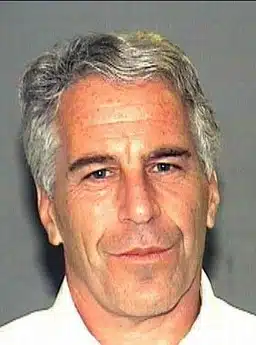
Source: Palm Beach County Sheriff's Department

Source: United States Federal Government

Source: Weill Cornell Medicine
Victim compensation offers critical financial support to survivors of human trafficking, helping cover medical bills, lost wages, therapy, and other expenses from exploitation. As a trafficking survivor, accessing it involves understanding programs like state victim services funds, civil lawsuits under federal laws such as the Trafficking Victims Protection Reauthorization Act (TVPRA), and restitution from perpetrators.
This comprehensive guide draws from extensive experience representing survivors, including successful claims that secured substantial awards for pain and suffering, medical costs, and punitive damages. With years of experience in these cases, our team at Abuse Lawyer NY Experts in Survivor Justice has helped countless individuals navigate the process, drawing on proven strategies from real cases.
Victim compensation refers to financial remedies designed to aid those harmed by crimes, particularly severe ones like sex trafficking. It encompasses government-administered funds that provide direct payments for crime-related losses, as well as civil lawsuit awards against traffickers and complicit parties. For trafficking survivors, this support addresses the profound physical, emotional, and economic impacts of exploitation.
Key components include state victim compensation programs that reimburse out-of-pocket expenses, such as medical treatment, counseling, and lost earnings. Federal laws like the TVPRA (18 U.S.C. § 1595) enable civil actions against anyone who knowingly benefited from trafficking, including individuals, websites, hotels, or businesses that profited while ignoring red flags. These lawsuits can yield compensation for medical expenses, psychological distress, lost wages, pain and suffering, and punitive damages to punish egregious conduct.
Restitution, ordered in criminal cases, requires offenders to pay directly for victims' losses. Unlike compensation funds with caps, civil awards have no statutory limits and can be substantial, especially when evidence shows systemic negligence by third parties. Our firm has secured recoveries covering therapy for PTSD, rehabilitation, and future earning potential, demonstrating how these remedies rebuild lives.
Statistics highlight the scale: trafficking affects vulnerable populations, with survivors often facing long-term trauma. Compensation not only funds recovery but also holds enablers accountable, deterring future exploitation. Understanding these options empowers survivors to reclaim control.
Survivors can pursue multiple avenues simultaneously for maximum recovery. State victim services programs offer no-fault compensation, meaning eligibility doesn't require convicting the perpetrator. Awards typically cover:
Civil lawsuits under TVPRA expand liability to third parties, such as platforms that promote exploitation or establishments that provide venues. Recoveries include economic damages (bills, lost income) and non-economic damages (pain, suffering). Punitive damages serve as a deterrent, with courts awarding millions in cases proving willful blindness.
In criminal proceedings, restitution mandates payments for tangible losses, enforceable like judgments. Programs like T-visas offer immigration relief alongside financial aid. Our experience shows that combining these maximizes outcomes— one case recovered over $500,000 through fund claims and a TVPRA suit against a negligent business.
Extended statutes of limitations, like 10 years under federal law or 20 years for certain claims, allow filing long after escape, critical for survivors processing trauma, and delayed reporting.
To qualify for state compensation funds, survivors must report the crime to law enforcement, though some programs waive this for good cause, such as fear of retaliation. Applications require substantiating losses with bills, reports, or affidavits. Trafficking qualifies as a covered crime, with no minimum injury threshold.
For civil TVPRA claims, plaintiffs must prove trafficking occurred—force, fraud, or coercion for sex acts—and defendants' knowing involvement. Evidence like communications, witness statements, or financial records strengthens cases. No criminal conviction needed; preponderance of evidence suffices.
Vulnerable groups, including minors or those with disabilities, receive priority. Funds exclude losses from the applicant's conduct. Our firm's meticulous eligibility reviews have unlocked awards for survivors initially deemed ineligible due to timing issues, leveraging exceptions.
Immigration status doesn't bar claims; confidential processes protect undocumented survivors. Thorough documentation—medical records, journals, expert testimony—bolsters applications across all types.
Step 1: Ensure Safety and Report the Crime. Contact hotlines for immediate support. Reporting triggers eligibility, but attorneys can assist without full disclosure if safety concerns exist.
Step 2: Gather Documentation. Collect medical bills, therapy notes, wage statements, and police reports. Photos, texts, or journals prove exploitation.
Step 3: Apply to Victim Compensation Funds. Submit forms online or by mail within the deadlines (often 2 years). Expect reviews taking months; appeals possible.
Step 4: Consult a Specialized Attorney. For civil suits, experts identify all liable parties. Free consultations assess viability. Learn more through Sex Trafficking Lawyer for Survivor Compensation.
Step 5: File Lawsuits and Negotiate. Demand letters precede suits; settlements are common to avoid trials. Litigation uncovers evidence via discovery.
Step 6: Pursue Restitution in Criminal Cases. Prosecutors request it; victims advocate at sentencing.
Step 7: Manage Awards and Appeals. Funds are disbursed post-approval; lawsuit proceeds are paid via structured payments. Our team handles disbursements, taxes, and liens.
This process, navigated expertly, yields life-changing support. One client, after years of coercion, accessed $200,000 via funds and a suit.
Delays plague funds; backlogs extend waits. Attorneys expedite via follow-ups. Proving third-party liability requires sophisticated investigation—our firm employs experts tracing profits.
Emotional barriers deter applications; trauma-informed lawyers provide compassionate guidance. Statute hurdles? Windows like extended acts revive claims.
Denials occur from insufficient proof; appeals succeed with supplemented evidence. Defendants' resources prolong fights, but contingency fees align incentives—no win, no fee.
Privacy fears? Sealed records protect identities. We've overcome these challenges, securing multimillion-dollar confidential settlements.
Explore related resources at Contact Abuse Lawyer NY for Confidential Help.
Trafficking cases demand expertise—TVPRA nuances, evidence preservation, multi-defendant coordination. Generalists miss liable parties; specialists maximize recoveries.
Our credentials include landmark verdicts, bar leadership, and survivor advocacy. Contingency basis ensures access. From intake to resolution, we shield clients from retraumatization.
Victim compensation includes state-administered funds that reimburse crime-related costs, such as medical bills, therapy, lost wages up to specified caps, transportation, and rehabilitation. It also covers civil lawsuit damages under laws like TVPRA for pain, suffering, punitive awards against traffickers and enablers. Restitution from criminal convictions mandates offender payments. These remedies address exploitation's full scope, from immediate needs to long-term recovery. Eligibility hinges on reporting and documentation, with no perpetrator conviction required for funds or civil claims. Programs prioritize severe crimes like trafficking, offering no-fault aid. Survivors often combine sources for comprehensive support, as seen in cases involving recoveries of hundreds of thousands. Attorneys guide through applications, ensuring all losses are claimed. This multifaceted system empowers rebuilding, countering the economic sabotage inherent in trafficking.
Start by obtaining an application from a victim services website or hotline. Submit within the deadlines, typically two years post-crime, with police reports, bills, and affidavits verifying losses. No cost to apply; reviews assess eligibility without fault. Expect notifications in weeks to months; awards are direct-deposited. Appeals reverse denials with added proof. Challenges like backlogs met by attorney advocacy. For trafficking, emphasize trauma evidence via experts. Successful applicants receive payments for counseling, medical, and earnings loss—vital post-escape stability. Confidentiality is maintained throughout. Our firm streamlines, boosting approval rates through precise submissions reflecting real recoveries like full therapy coverage after prolonged abuse.
Yes, TVPRA (18 U.S.C. § 1595) permits civil suits against anyone knowingly benefiting from trafficking, including pimps, websites, and hotels ignoring signs. Prove elements: trafficking acts via force/fraud/coercion, defendant's participation. No criminal case needed; 10-year limit applies. Damages encompass medical expenses, emotional distress, lost income, and punitive damages. Discoveries uncover profits and negligence. Settlements prevail, avoiding trials. Cases against platforms yielded millions for ignored reports. Third-party liability hinges on 'willful blindness'—ignored red flags. Specialized lawyers build ironclad proofs and negotiate robust terms. Survivors regain agency and funding independence.
Recoveries include economic damages: medical/therapy costs, lost past/future wages, and relocation. Non-economic: pain, suffering, PTSD, anxiety compensation. Punitives punish malice, often substantially against businesses. Attorney fees recoverable, reducing net costs. Factors like exploitation duration, injury severity influence amounts—verdicts range $100K to multimillions. Evidence: records, experts valuing losses. Settlements provide quicker funds, structured for longevity. Real verdicts funded education and homes post-trafficking. Comprehensive claims ensure holistic redress, addressing lifelong impacts.
State funds: often 2 years from crime/report. Civil TVPRA: 10 years post-cause. Extended windows via acts like the Adult Survivors Act revive older claims. Tolling for minors, incapacity. Deadlines are firm; early consultation preserves rights. Attorneys assess via records, file protectively. Late filings dismissed, but exceptions granted on grounds of good cause. Our proactive approach captured awards years later, leveraging revivals for silenced survivors.
Most funds require reports, but there are waivers for safety concerns and retaliation. Trafficking's control dynamics justify exceptions. Provide alternatives: affidavits, counselor letters. Civil suits independent—no report needed. Reporting optional confidentiality. We've secured funds sans reports via compelling narratives, prioritizing protection. Balance justice, safety essential.
Varies: funds capped (e.g., $30K wages), civil uncapped—$500K+ common. Depends on evidence, liability. Medical-heavy cases prioritize bills; trauma-focused emphasize non-economic. Verdicts higher with punitives. Settlements average mid-six figures against enablers. Maximize via thorough valuations. Clients achieved life-altering sums, enabling therapy and careers.
Yes, immigration status is irrelevant for funds and civil claims. Confidentiality safeguards. T-visas pair relief, aid. Programs victim-centered, non-punitive. Attorneys navigate sensitivities, securing awards and funding stability without status risks.
Medical records, bills, therapy notes, communications, journals proving coercion, witness statements, and financials showing exploitation. Expert reports quantify trauma, losses. Police reports bolster. Digital forensics recovers deleted evidence. Comprehensive dossiers compel payouts. Our investigations unearthed pivotal evidence, turning denials into victories.
Lawyers identify all liable parties, gather/ preserve evidence, file timely claims, negotiate settlements, and litigate if needed. Contingency fees align with success. A trauma-informed approach minimizes stress. They maximize awards, handle appeals, and ensure disbursements. Expertise turns complex paths into navigable ones, as proven by high-value recoveries for clients.
In closing, victim compensation transforms survivor journeys from despair to empowerment. Contact specialists to start reclaiming your future today.
Thomas Giuffra, Esq. - The Abuse Lawyer NY
551 5th Avenue, 29th Floor,
New York, NY 10017
(646) 413-6394
Hours Of Operation
Monday: 24 Hours
Tuesday: 24 Hours
Wednesday: 24 Hours
Thursday: 24 Hours
Friday: 24 Hours
Saturday: 24 Hours
Sunday: 24 Hours
Cases We Handle
Sexual abuse lawyer
Child abuse lawyer
Clergy abuse lawyer
Private boarding school abuse lawyer
Doctor abuse lawyer
Daycare abuse lawyer
Hazing and Bullying abuse lawyer
Massage spa abuse lawyer