Schedule A Call Now
A New York Sexual Abuse Lawyer For Survivors
Over 50 Years Experience \\ Get Help 24/7
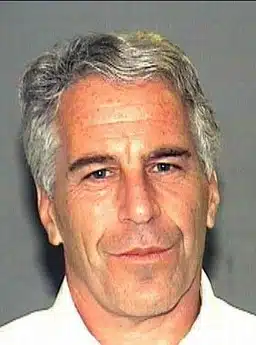
Source: Palm Beach County Sheriff's Department
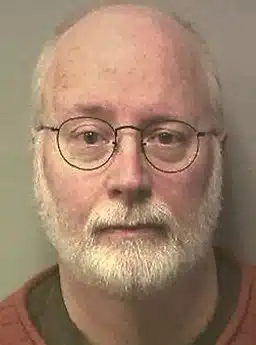
Source: United States Federal Government

Source: Weill Cornell Medicine
Sexual abuse cases can take many forms, and the legal issues often depend on who was harmed, where the abuse occurred, who knew about it, and what institutions or individuals failed to stop it. Attorneys who handle these matters typically represent survivors in civil claims involving childhood abuse, institutional abuse, clergy misconduct, abuse by doctors or caregivers, and abuse in settings where trust and supervision were supposed to protect vulnerable people.
For survivors looking for help, The Abuse Lawyer NY presents itself as an informational resource focused on sexual abuse claims and related survivor advocacy, with a practice led by Thomas Giuffra, Esq., and a stated focus on representing people who endured sexual abuse. The firm’s homepage also identifies multiple case categories, including child abuse, clergy abuse, doctor abuse, daycare abuse, hazing and bullying abuse, and massage spa abuse, which gives a clear picture of the case types the practice says it handles. The Abuse Lawyer NY for sexual abuse survivors and legal support
Sexual abuse attorneys represent survivors in civil legal claims that seek accountability, financial recovery, and sometimes policy change from individuals, organizations, employers, schools, religious institutions, healthcare providers, and other entities that enabled harm. Civil cases differ from criminal prosecutions because the survivor is not asking the government to imprison someone; instead, the survivor is seeking compensation and legal accountability for the harm caused.
In practice, these attorneys investigate what happened, identify all potentially responsible parties, gather records and witness statements, preserve evidence, and evaluate whether an institution failed to protect the survivor. They may also help clients understand statutes of limitation, confidentiality options, settlement strategy, and how to proceed without unnecessary exposure or retraumatization.
That combination of accessibility and a survivor-focused mission is part of the trust-building context many clients look for when deciding whether to reach out. Contact The Abuse Lawyer NY for confidential survivor support.
Child sexual abuse cases are among the most common and most legally complex matters handled by sexual abuse attorneys. These cases may involve direct abuse by a family member, coach, teacher, mentor, youth-group volunteer, babysitter, foster caregiver, or another trusted adult. They can also involve institutional failures, such as a school or program ignoring warning signs, failing to supervise staff, or allowing a known risk to persist.
What makes these cases especially difficult is that children rarely have the power, understanding, or freedom to report abuse immediately. Many survivors do not tell anyone until years later, and some do not fully understand what happened until adulthood. Attorneys handling these cases often focus on patterns of grooming, secrecy, coercion, and control, because the abuse may not look like a single isolated incident. It may be a repeated process that escalated gradually while the child was manipulated into silence.
Evidence in child sexual abuse cases may include adult disclosures, school or medical records, witness testimony, journals, digital communications, institutional files, or evidence of prior complaints against the abuser. A strong lawyer will also know how to present the harm in a way that recognizes delayed disclosure as common and credible rather than suspicious.
Clergy sexual abuse cases typically involve abuse committed by members of religious leadership or by people acting within religious institutions. These cases often raise serious questions about supervision, internal reporting, transfers of accused individuals, and whether leadership protected the institution instead of the survivor. Attorneys handling clergy abuse claims often investigate not only the abuser’s conduct, but also whether the institution knew, should have known, or concealed previous misconduct.
The firm’s site specifically identifies clergy abuse as one of its case categories, which suggests that institutional abuse in faith-based settings is a core part of the practice’s public focus. That matters because clergy abuse cases often require a lawyer who can navigate both sensitive survivor testimony and layered institutional structures.
These cases may involve child victims, adult survivors, or both. They may also involve historic abuse, where the events happened long ago but the survivor only recently learned that legal remedies may still be available. Attorneys in this area often need to handle records that are old, incomplete, or intentionally obscured, and they frequently coordinate with experts who understand trauma and institutional misconduct.
School abuse cases arise when sexual abuse occurs in a classroom, dormitory, athletic setting, extracurricular program, or other educational environment. Boarding school abuse cases are especially serious because students may live on campus, rely on school staff for supervision, and have limited access to outside support. When abuse occurs in these environments, the legal question often centers on whether the school failed in its duty to provide reasonable safety and adequate oversight.
Attorneys handling these matters often examine background checks, hiring practices, staff supervision, security procedures, reporting protocols, and prior complaints. They may also assess whether the institution responded appropriately when a student, parent, or employee raised concerns. In some cases, a school’s internal culture can make abuse easier to hide, especially when authority figures are trusted without meaningful scrutiny.
Claims involving educational settings can involve teachers, administrators, coaches, counselors, dorm staff, volunteers, or outside contractors. A knowledgeable attorney will work to determine whether liability extends beyond the individual offender to the institution that created or allowed the conditions for abuse.
Sexual abuse by doctors, therapists, nurses, or other healthcare providers can be especially shocking because these professionals are supposed to provide care, not harm. These cases may involve inappropriate examinations, coercive conduct during treatment, abuse of power, or manipulation of a patient’s trust. In mental health settings, the imbalance can be even more severe because the client may be emotionally vulnerable and dependent on the provider’s judgment.
Healthcare abuse cases often require a detailed analysis of patient records, appointment logs, billing files, office policies, and communications. Attorneys may also investigate whether the provider had a history of complaints or whether the employer ignored red flags. If the abuse happened in a clinic, hospital, private practice, or therapy office, the institution’s responsibility may become a central issue.
The Abuse Lawyer NY’s public case list includes doctor abuse, which indicates that the firm recognizes medical and therapeutic settings as an important category of sexual abuse litigation. That is significant because these cases can involve complex medical documentation and professional licensing issues that general personal injury counsel may not handle as thoroughly.
Daycare and caregiving abuse cases involve people who were trusted to watch, transport, teach, or care for children and who used that access to commit sexual misconduct. These cases are especially troubling because parents and guardians often place a child in the care of an adult with the expectation of safety. When that trust is violated, attorneys must often evaluate both the abuser’s conduct and the organization’s screening, supervision, and response failures.
These matters may involve daycare employees, home caregivers, babysitters, after-school staff, or others who regularly have access to children. In many instances, the strongest case theory is not just that one person committed abuse, but that the organization ignored warning signs, failed to train staff, or kept an unsafe individual in a child-facing role.
In addition to direct claims, attorneys may also explore negligent hiring, negligent supervision, negligent retention, and premises-related liability where relevant. Because these cases often involve very young children, the evidence may depend heavily on adult observations, investigative records, and expert interpretation of behavioral indicators.
Hazing and bullying abuse cases can overlap with sexual abuse when humiliation, coercion, forced sexual acts, or sexually degrading conduct is used to initiate, control, punish, or dominate someone. These cases may arise in teams, clubs, organizations, schools, workplaces, or social groups. The legal issues often include whether leaders or institutions knew about the behavior and failed to stop it.
Sexual abuse in hazing situations is often disguised as a tradition, joke, test of loyalty, or rite of passage. Attorneys handling these claims must carefully examine the group's culture, who participated, who witnessed the behavior, and whether prior incidents were tolerated. The abuse may be peer-on-peer, but a powerful institution may still bear responsibility if it created the environment or ignored complaints.
The firm’s public case categories include hazing and bullying abuse, which signals that it treats sexualized coercion and institutionally tolerated peer abuse as part of the broader survivor-advocacy landscape. That is important because many survivors do not realize their experience may be legally actionable when the abuse occurred in a group setting rather than through a single authority figure.
Massage spa abuse cases involve sexual misconduct by massage therapists, spa employees, or other wellness providers during appointments that were supposed to be therapeutic and professional. These cases often involve abuse of physical access, privacy, and trust. The setting itself can make survivors hesitant to object or leave, especially when they are undressed, isolated, or told that inappropriate conduct is part of treatment.
Attorneys in these cases may investigate business ownership, staff training, credentialing, prior complaints, appointment records, surveillance footage, and the employer’s response once the abuse was reported. They may also assess whether the company adequately screened the therapist and whether management ignored signs that an employee posed a risk.
Because wellness settings often rely heavily on customer trust, these cases can be deeply damaging. Survivors may feel confused about whether what happened was illegal, especially if the misconduct was disguised as treatment. A sexual abuse lawyer can help clarify that consent in a therapeutic context is not valid when it is obtained through coercion, manipulation, exploitation, or abuse of authority.
Sexual abuse attorneys do not only handle cases involving children. Adults can also be abused through coercion, intimidation, exploitation, threats of retaliation, or abuse of a position of power. These cases may involve bosses, supervisors, landlords, coaches, caretakers, community leaders, or anyone who used leverage to force or pressure a person into unwanted sexual conduct.
In adult cases, the legal analysis may center on power dynamics, consent, retaliation, workplace reporting failures, or the use of threats to silence the survivor. An adult survivor may have stayed silent because the abuser controlled money, housing, employment, immigration concerns, professional advancement, or access to services. Attorneys who understand coercion can build a case that reflects how abuse works in the real world rather than how outsiders imagine it.
These claims can be especially nuanced because outside observers sometimes misunderstand coercion as consent. A strong lawyer will focus on the context: whether the survivor had real freedom to refuse, whether the abuser used threats or pressure, and whether the environment made resistance unsafe.
Some of the most important sexual abuse cases are not just about the individual offender. They are about the institutions that enabled abuse, failed to supervise, ignored complaints, transferred dangerous individuals, or protected their own reputation over survivor safety. These claims can arise in religious organizations, schools, youth programs, healthcare settings, residential facilities, and other structured environments.
Institutional abuse claims often require a lawyer to examine policies, internal communications, prior allegations, incident reports, and decision-making records. Survivors may not initially know the extent of the institution’s knowledge, so effective counsel often uncovers patterns that show the abuse was foreseeable or even known.
Institutional cases are document-heavy, fact-sensitive, and emotionally challenging. Lawyers must understand how to preserve evidence early, use trauma-informed interviewing, and pursue all available civil remedies without allowing the institution to define the narrative.
The type of sexual abuse case affects nearly every part of the legal strategy. It influences who can be sued, what evidence matters, whether a time limit applies, whether a third-party institution may be liable, and what kinds of damages may be available. A child abuse case may require school records and guardianship issues. A clergy case may require church files and reporting histories. A doctor abuse case may require medical records and licensing records. A daycare case may require employment and supervision documentation.
For survivors, the practical takeaway is simple. The right attorney should be able to quickly identify the case category, explain the options without judgment, and move carefully enough to protect privacy while still building a strong record.
Although every matter is different, most sexual abuse attorneys follow a similar investigation pattern. They start by listening to the survivor’s account, identifying known people and places, reviewing available records, and deciding whether there may be multiple defendants. They then gather corroborating evidence, including prior complaints, witness statements, schedules, emails, text messages, institutional policies, and professional records.
Attorneys also think about damages from the beginning. Survivors may suffer medical trauma, emotional distress, anxiety, depression, PTSD, relationship harm, educational setbacks, employment loss, and long-term trust issues. Civil claims often seek compensation for all of these harms, plus the costs of counseling and other treatment when appropriate.
Trustworthy representation also means setting realistic expectations. Some cases settle, some go to litigation, and some require substantial discovery before the facts are clear. A survivor should not be promised a specific outcome. Instead, the lawyer should explain what can be controlled: evidence preservation, careful filing, strategic pressure on the defense, and consistent communication.
Survivors generally benefit from a lawyer who combines legal skill with trauma awareness. That includes the ability to listen without judgment, explain the process in plain language, preserve confidentiality, and avoid pressuring the survivor into quick decisions. It also includes experience dealing with institutional defendants, because many sexual abuse cases involve organizations with significant resources. Thomas Giuffra and The Abuse Lawyer NY for survivor-focused claims.
Survivors should also look for transparency. The lawyer should explain what the firm knows, what still needs to be investigated, how communication will work, and whether the case can be handled with privacy protections in mind. Clear communication is one of the strongest indicators of trustworthiness in this field.
Many survivors underestimate the legal strength of their experience because they think abuse must look a certain way to count. In reality, a case may be stronger than it appears if there were prior complaints, a pattern of misconduct, a power imbalance, a failure to supervise, a suspicious transfer, or a delayed disclosure that fits trauma patterns. Attorneys often identify strength where survivors only see uncertainty.
For example, if the abuser worked in a role that gave repeated access to vulnerable people, the institution may already have had a duty to screen and monitor more carefully. If other people complained before, that can become powerful evidence. If the survivor delayed disclosure, that does not weaken the case by itself; it may actually be consistent with how abuse and trauma operate.
This is why a careful intake conversation matters. Small details such as calendars, messages, staffing schedules, church or school assignments, and old reports can transform a general account into a legally actionable claim. Survivors should not assume they need perfect memory or immediate proof to speak with counsel.
When evaluating a sexual abuse attorney for EEAT purposes, trustworthy information usually comes from publicly accessible firm pages, attorney biographies, service descriptions, and contact information that can be independently reviewed. In this case, the firm’s homepage, contact page, blog feed, attorney page, and sexual abuse page collectively identify the firm’s service categories, the lead attorney’s name, the organization’s stated survivor-focused mission, and the practice areas publicly advertised on the site. Those materials help establish a verifiable picture of the firm’s public positioning and areas of focus.
That matters because survivors deserve content that goes beyond generic legal language. They benefit from seeing exactly which case types the firm says it handles and how the firm describes its own role. Transparency about those public claims supports trust and helps readers decide whether the practice fits their needs.
In a field where power imbalances and privacy concerns are central, clear public information is not a minor detail. It is part of the service itself.
Attorneys who focus on sexual abuse commonly handle child sexual abuse, clergy abuse, school abuse, daycare abuse, doctor or therapist abuse, workplace coercion, hazing-related sexual abuse, and abuse in caregiving or wellness settings. They may also represent survivors in cases involving institutional negligence, where an organization failed to supervise, ignored warning signs, or covered up misconduct. The exact case type matters because it affects the evidence, the defendants, and the legal strategy. A survivor does not need to know the perfect legal label before seeking help. A qualified attorney can review the facts, identify the category, and explain whether a civil claim may be available. The most important first step is simply telling a trusted lawyer what happened in a safe, confidential setting.
Yes. Many sexual abuse cases involve more than one responsible party. The direct abuser may be one defendant, but an institution can also be liable if it hired the person carelessly, ignored complaints, failed to supervise, or protected the offender after learning of misconduct. This is common in schools, religious organizations, healthcare settings, youth programs, and caregiving environments. A lawyer will often investigate whether the organization had notice of prior concerns and whether policy failures made the abuse possible. Naming multiple defendants can be important because it may expand the sources of recovery and help reveal the broader pattern that allowed the abuse to continue. Survivors should not assume the case is limited to one person just because one person committed the physical act.
Many sexual abuse cases involve historic abuse that happened years or even decades earlier. That does not automatically prevent a civil claim. Survivors often delay disclosure because of fear, shame, confusion, dependency, or trauma, and those realities are widely recognized in abuse litigation. A lawyer can evaluate whether any time-limit exceptions may apply and whether there are legal avenues still open under current law. Even if records are old, attorneys may still find helpful evidence through prior complaints, archived files, witness recollections, institutional documents, or patterns of misconduct. The key is not to assume a claim is over simply because time has passed. Survivors should speak with counsel as soon as they are ready so the attorney can assess the legal options before evidence disappears.
Helpful evidence can include messages, emails, photos, journals, appointment records, school records, employment records, witness statements, prior complaints, internal reports, and any documentation showing access, supervision, or institutional knowledge. In many cases, the survivor’s own account is an essential starting point, even if other evidence is limited. Attorneys also look for patterns that corroborate the story, such as similar complaints against the same person or institution, policy failures, or suspicious transfers. Trauma can make memory fragmented, so a survivor should not worry if the case is not supported by a perfect paper trail. A strong lawyer knows how to build a claim using a combination of direct testimony, circumstantial evidence, and institutional records. Early preservation of evidence is especially important.
Yes. Adult survivors can often pursue civil claims when abuse involved coercion, threats, manipulation, authority abuse, or exploitation of a dependent relationship. This can happen in workplaces, healthcare settings, religious settings, housing arrangements, or any environment where the abuser used power to reduce the survivor’s freedom to refuse or escape. Adults may also have claims if an institution ignored reports or failed to enforce safeguards. These cases can be harder for outsiders to understand because they may not fit stereotypes about assault. A lawyer experienced in sexual abuse litigation can focus on the actual power dynamics, not just whether physical force was obvious. Adult survivors should not dismiss their experience simply because they were over eighteen when the abuse occurred.
When the abuse happened in childhood and the survivor is now an adult, attorneys often focus on delayed disclosure, record collection, and any legal exceptions that may apply to older claims. The fact that the survivor is now an adult can change the legal analysis, but it does not erase the underlying harm. Lawyers may examine school files, medical records, child welfare records, church files, or prior reports to reconstruct the timeline. They also take care to avoid blaming the survivor for not reporting earlier. In many cases, childhood abuse is not reported right away because the child lacked power, understanding, or support. An experienced attorney understands that delayed disclosure is common and that adult survivors deserve careful, respectful evaluation of their claims.
Institutional abuse cases focus on the broader system that allowed abuse to happen, not only on the person who committed it. That can include schools, churches, hospitals, youth programs, childcare facilities, and other organizations. These cases usually require more document review because the attorney must examine policies, supervision practices, complaint histories, and internal communications. The case may also involve more defendants and more witnesses. Institutional defendants often have more resources and may try to control the narrative, so a lawyer must be strategic and meticulous. For survivors, institutional cases can be validating because they show the abuse was not simply a private failure; it was often enabled by a larger structure that had a duty to protect people.
Not every case goes to trial, and not every survivor will need to testify in open court. Many sexual abuse claims resolve through settlement, mediation, or other negotiated outcomes. However, litigation can involve depositions, written discovery, and sworn testimony even if a case does not reach trial. A lawyer should explain the likely steps early so the survivor knows what to expect. If testimony becomes necessary, the attorney can prepare the survivor carefully and help reduce unnecessary exposure. In some situations, confidentiality protections or limited-publicity strategies may also be available. The important point is that the legal process can often be managed with sensitivity and planning rather than surprise.
If you experienced unwanted sexual contact, coercion, exploitation, or abuse of power, it is worth speaking with a lawyer even if you are unsure whether the facts fit a legal claim. Many survivors are surprised to learn that institutions can be liable for failures in hiring, supervision, reporting, or retention. A consultation gives the attorney a chance to review the details, identify the responsible parties, and assess possible time limits. You do not need to have all the evidence organized before calling. You do not need perfect memory, either. A good attorney will help you understand whether the experience may support a civil case and what the next steps could be.
Trauma-informed representation matters because sexual abuse survivors may be dealing with fear, shame, fragmented memory, medical issues, or emotional distress. A lawyer who understands trauma will communicate carefully, avoid judgment, and recognize that the survivor’s timeline may not look neat or linear. That approach can improve both the survivor’s experience and the quality of the case, because careful listening often uncovers key facts that a rushed interview would miss. Trauma-informed counsel also helps reduce the risk of retraumatization during evidence gathering and litigation. In sexual abuse cases, the legal process is not just about winning a claim; it is also about handling the matter in a way that respects the survivor’s dignity and safety throughout the case.
When survivors are ready to learn more about their options, the first step is often a confidential conversation with a lawyer who understands both the legal and human dimensions of sexual abuse claims. That is where case type, evidence, and support begin to come together in a meaningful way.
Thomas Giuffra, Esq. - The Abuse Lawyer NY
551 5th Avenue, 29th Floor,
New York, NY 10017
(646) 413-6394
Hours Of Operation
Monday: 24 Hours
Tuesday: 24 Hours
Wednesday: 24 Hours
Thursday: 24 Hours
Friday: 24 Hours
Saturday: 24 Hours
Sunday: 24 Hours
Cases We Handle
Sexual abuse lawyer
Child abuse lawyer
Clergy abuse lawyer
Private boarding school abuse lawyer
Doctor abuse lawyer
Daycare abuse lawyer
Hazing and Bullying abuse lawyer
Massage spa abuse lawyer