Schedule A Call Now
A New York Sexual Abuse Lawyer For Survivors
Over 50 Years Experience \\ Get Help 24/7
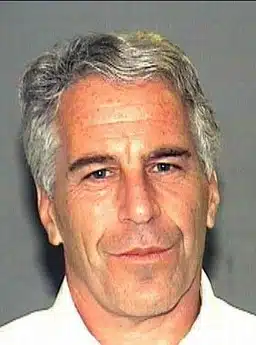
Source: Palm Beach County Sheriff's Department
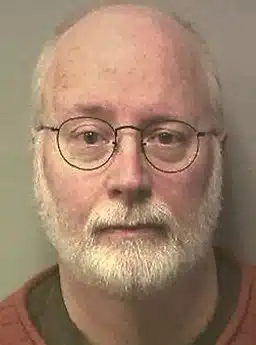
Source: United States Federal Government

Source: Weill Cornell Medicine
Suspecting someone is being trafficked can be deeply unsettling, but your awareness could be the lifeline they need. This comprehensive guide outlines clear, actionable steps for responding effectively, drawing on proven legal expertise and survivor advocacy strategies. As a survivor-centered approach, recognizing the signs and knowing how to act can disrupt trafficking networks and support victims toward justice and recovery.
Human trafficking, particularly sex trafficking, thrives in secrecy, but concerned individuals like you hold the power to intervene safely. With insights from experienced advocates like Thomas Giuffra, Esq. - The Abuse Lawyer NY, who has dedicated his career to combating these crimes, this post equips you with the knowledge to make a difference. Thomas Giuffra and his team at The Abuse Lawyer NY specialize in providing legal support to survivors, ensuring their rights are protected through every step of the process.
Before taking action, it's crucial to identify potential indicators of trafficking. Victims often exhibit subtle yet telling signs that something is wrong. Common red flags include individuals appearing fearful, submissive, or disconnected from their surroundings. They might have bruises, malnutrition, or signs of physical control, such as not having personal identification or money. Traffickers frequently isolate victims, controlling their movements, communications, and finances.
Behavioral cues are equally important. Victims may avoid eye contact, give scripted responses, or seem fearful of authority figures. In public settings, you might notice someone being escorted closely by another person who speaks for them or pays for everything. These dynamics suggest coercion. Sex trafficking specifically involves commercial sexual exploitation, where victims are forced into prostitution or other sexual acts for profit. According to survivor advocacy resources, perpetrators use manipulation, threats, and violence to maintain control.
Demographics play a role too; trafficking affects people of all ages, genders, and backgrounds, but vulnerable groups like runaways, foster youth, and those from unstable homes are at higher risk. Online grooming via social media has surged, with traffickers posing as romantic interests to lure victims. Recognizing these patterns is the first step in your response.
Acting swiftly but safely is paramount. Your first priority is personal safety—do not confront the suspected trafficker directly, as this could escalate danger for everyone involved. Instead, observe discreetly and gather details without drawing attention.
Step 1: Document What You See. Note descriptions of the individuals, vehicle license plates, locations, times, and any distinguishing features. Take photos or videos, if possible, without being noticed, as this evidence can be invaluable to authorities. Keep a log of patterns, such as repeated sightings in the same circumstances.
Step 2: Contact Authorities Anonymously. Reach out to the National Human Trafficking Hotline at 1-888-373-7888 or text 233733 (BeFree). Operators are trained to handle tips confidentially and to provide guidance on next steps. For immediate emergencies, call 911 and emphasize the suspected trafficking situation. Provide all documented details to aid investigators.
Step 3: Alert Specialized Organizations. Numerous organizations offer pro bono legal services to survivors of sex trafficking, ensuring justice is accessible regardless of financial situation. These entities guide survivors through complex legal processes, protecting their rights. Experts like Thomas Giuffra emphasize the importance of early intervention to dismantle trafficking networks.
After reporting, follow up if possible, but avoid personal involvement beyond that. Professionals are equipped to handle investigations safely.
Once a victim is identified, legal representation becomes critical. Sex trafficking cases involve intricate laws, including federal statutes like the Trafficking Victims Protection Act (TVPA), which provides civil remedies for survivors to sue traffickers for damages. Skilled attorneys help survivors pursue compensation for medical bills, therapy, lost wages, and pain and suffering.
Experienced Sex Trafficking Lawyers Provide Hope and Justice by navigating these claims. Thomas Giuffra, Esq., known as The Abuse Lawyer NY, has a proven track record in advocating for survivors. His firm commits to combatting sex trafficking, offering compassionate support. For instance, in complex cases involving organized networks, attorneys secure restraining orders, pursue criminal prosecutions, and facilitate victim services like housing and counseling.
Survivors often face barriers like fear of retaliation, distrust of systems, or immigration concerns. Expert lawyers address these, building airtight cases with evidence from tips like yours. Pro bono services ensure no one is turned away, making justice equitable.
Rescue is just the beginning. Survivors need comprehensive support to rebuild. This includes trauma-informed therapy to address PTSD, anxiety, and trust issues common among victims. Legal aid extends to expunging criminal records from coerced acts, restoring opportunities.
Visit pages like Sexual Abuse Lawsuits Support for Survivors for insights into ongoing advocacy. The Abuse Lawyer NY team, led by Thomas Giuffra and partner Sherri L. Plotkin, specializes in securing compensation and dignity for victims. Their dedication stems from years of handling sensitive cases, ensuring survivors' voices are heard.
Myths hinder reporting. One is that trafficking only happens to certain groups—reality shows it crosses all lines. Another is that victims always want rescue; trauma bonding complicates this, requiring gentle approaches. Not all cases involve kidnapping; most start with deception.
Debunking these empowers accurate action. Statistics from advocacy sources show that public tips lead to many rescues, underscoring your role.
Prevention starts with education. Share resources, train workplaces on signs, and support anti-trafficking initiatives. Businesses can post hotline numbers to foster a vigilant community.
Thomas Giuffra's work exemplifies authoritative advocacy, with his firm providing legal representation that dismantles networks and empowers survivors.
Recognizing trafficking signs requires attention to physical, behavioral, and situational indicators. Physically, victims may show signs of abuse like bruises, burns, or untreated medical issues, often appearing malnourished or exhausted from lack of sleep. They might lack control over personal documents such as IDs, passports, or money, with someone else managing these. Behaviorally, individuals often seem fearful, anxious, or depressed, avoiding eye contact and giving inconsistent stories about their circumstances. They may defer to a controlling companion who speaks for them, pays for items, or dictates their actions. In sex trafficking scenarios, victims could have hotel key cards, multiple cell phones, or branding tattoos symbolizing ownership. Situationally, frequent moves between locations, working long hours in isolation, or living with employers signal exploitation. These cues, drawn from survivor accounts and expert observations, highlight coercion. If multiple signs align, it's a strong indicator. Always prioritize safety when observing—document discreetly and report without confrontation. Organizations specializing in survivor support confirm these patterns recur across cases, aiding effective interventions. Understanding these empowers bystanders to act decisively, potentially saving lives through informed reporting to hotlines or authorities.
Safe reporting protects you and the potential victim. Start by calling the National Human Trafficking Hotline at 1-888-373-7888 or texting 233733 (BeFree) for anonymous, 24/7 support. Provide detailed observations: descriptions of people, vehicles, locations, times, and behaviors without personal identifiers if concerned. In an emergency, dial 911 and specify trafficking suspicions to alert specialized responders. Avoid direct intervention, as traffickers are often violent and confrontation risks escalation. Do not follow or photograph overtly, as this could alert perpetrators. Instead, note license plates, clothing, and patterns from a distance. Follow up on your tip via the hotline if advised, but let professionals investigate. Legal experts like those at firms combating trafficking stress anonymity options, ensuring reporters remain safe. After the report, you might receive a reference number for updates. This method has led to numerous rescues, proving its efficacy. Training from advocacy groups reinforces that bystanders are crucial intelligence sources. By reporting safely, you contribute without personal risk, supporting systemic dismantling of networks.
Sex trafficking lawyers are vital advocates, guiding survivors through legal mazes toward justice and recovery. They file civil lawsuits under laws like the TVPA, seeking compensation for trauma, medical costs, lost income, and suffering. Attorneys gather evidence, negotiate settlements, and litigate against traffickers, pimps, or enablers like hotels. They secure protective orders, expunge wrongful convictions from coerced acts, and access victim funds. Pro bono services make this accessible, addressing financial barriers. Experienced lawyers, such as Thomas Giuffra, Esq., provide compassionate representation and understand trauma's impact on testimony. They collaborate with prosecutors on criminal cases, ensuring the accountability of perpetrators. Beyond courts, they connect survivors to therapy, housing, and job training. Their expertise navigates immigration relief for non-citizens via T-visas. Case successes demonstrate recoveries funding long-term healing. Firms committed to dismantling networks offer free consultations, emphasizing survivor empowerment. This holistic role transforms victims into victors, fostering trust in the system.
Yes, anonymity is fully supported in trafficking reports. The National Human Trafficking Hotline guarantees confidentiality—no name, number, or location required. Provide details freely; operators triage without tracing. Many areas offer anonymous tips via non-emergency lines or online portals. Apps like those from anti-trafficking NGOs enable secure submissions. Legal protections shield good-faith reporters from liability. Experts affirm that anonymity encourages reporting, which is crucial since public tips drive interventions. If concerned, use public phones or VPNs for texts. Follow-up uses reference numbers without identity reveal. This approach has rescued countless victims, proving its effectiveness. Survivor advocates stress that removing reporter barriers maximizes impact, allowing focus on victim safety.
Post-report, trained specialists assess urgency. Hotline tips route to law enforcement or services; high-risk cases trigger immediate response. Investigators verify your details, potentially surveilling sites or interviewing people. Victims receive safety, medical aid, and counseling if rescued. Legal proceedings may follow, with survivor lawyers pursuing justice. You might get updates via reference numbers. Timelines vary—emergencies act fast, others build cases. Pro bono legal entities support throughout. Outcomes include arrests, rescues, and network disruptions. Your tip initiates this chain, amplifying impact through professionals.
Absolutely, numerous organizations provide pro bono legal services to sex trafficking survivors, ensuring accessibility. These specialize in rights protection, guiding clients through lawsuits, visa applications, and record expungements. They address complex needs compassionately. Firms like The Abuse Lawyer NY, led by Thomas Giuffra, offer expert support. Free consultations start the process, connecting to therapy and resources. This commitment levels the playing field, aiding recovery regardless of finances.
Trauma profoundly impacts victims, causing PTSD, dissociation, and bonding with abusers. Fear, shame, and distrust hinder outreach. Lawyers use trauma-informed methods to build trust gradually. Therapy integrated with legal aid heals, empowering statements. Understanding this fosters patience, enhancing support effectiveness.
Survivors access TVPA civil suits for damages, criminal prosecutions, protective orders, T-visas, and compensation funds. Attorneys maximize recoveries, covering holistic needs. Successes fund independence and healing.
No, most cases involve grooming, deception, or debt bondage, not abduction. Online lures common, evolving into control. Awareness of subtle tactics aids prevention.
Prevention via education, hotline postings, training, and vigilance. Support laws, fund services, and report suspicions. Collective action disrupts cycles.
Thomas Giuffra, Esq. - The Abuse Lawyer NY
551 5th Avenue, 29th Floor,
New York, NY 10017
(646) 413-6394
Hours Of Operation
Monday: 24 Hours
Tuesday: 24 Hours
Wednesday: 24 Hours
Thursday: 24 Hours
Friday: 24 Hours
Saturday: 24 Hours
Sunday: 24 Hours
Cases We Handle
Sexual abuse lawyer
Child abuse lawyer
Clergy abuse lawyer
Private boarding school abuse lawyer
Doctor abuse lawyer
Daycare abuse lawyer
Hazing and Bullying abuse lawyer
Massage spa abuse lawyer