
Schedule A Call Now
A New York Sexual Abuse Lawyer For Survivors
Over 50 Years Experience \\ Get Help 24/7
 SCHEDULE A CALL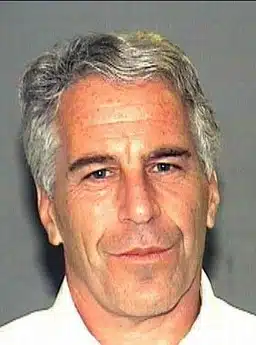
Source: Palm Beach County Sheriff's Department
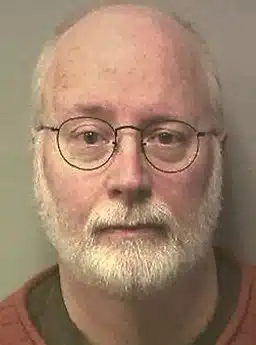
Source: United States Federal Government

Source: Weill Cornell Medicine
Survivors alleging sexual abuse by an Army doctor are demanding accountability not only from the accused physician, but from the entire military system they say enabled the abuse to continue. According to reporting by PBS NewsHour, survivors argue that repeated warnings and complaints were ignored, allowing alleged misconduct to persist while victims were left without meaningful protection or support.
Their accounts point to deep systemic problems within military medical and reporting structures — issues that advocates say mirror institutional abuse failures seen across many large organizations.
According to PBS NewsHour, multiple survivors allege they were sexually abused by a doctor serving in the U.S. Army. The survivors describe encounters that occurred while they were seeking medical care, placing the accused in a position of authority and trust over them.
Survivors interviewed by PBS emphasized that the alleged abuse did not happen in isolation. Instead, they say the misconduct was enabled by an environment where complaints were mishandled, minimized, or routed through systems that discouraged reporting.
One of the central themes of the PBS report is survivors’ belief that responsibility extends beyond one individual. Survivors argue that military leadership and medical oversight structures failed to act decisively even after concerns were raised.
According to survivors, reporting abuse within the military can be intimidating and confusing, particularly when the accused holds rank, credentials, or institutional backing. Fear of retaliation, career consequences, or disbelief can prevent victims from coming forward — allowing abuse to continue unchecked.
The PBS NewsHour segment highlights how military reporting systems can create barriers for survivors. Survivors described being unsure where to report abuse, receiving inconsistent responses, or being told their allegations could not move forward.
Advocates note that when institutions prioritize reputation or internal handling over survivor safety, abuse can become systemic rather than isolated. These failures are not unique to the military and have been documented in schools, religious institutions, healthcare systems, and other large organizations.
Sexual abuse by medical professionals is particularly traumatic due to the vulnerability of patients. Survivors often seek medical care during times of physical or emotional distress, making any abuse a profound betrayal of trust.
Survivors interviewed by PBS described long-lasting emotional harm, including anxiety, loss of trust in healthcare providers, and difficulty seeking future medical treatment. These impacts often persist long after any investigation or disciplinary process concludes.
Criminal investigations focus on whether an individual violated the law, but they do not always address institutional wrongdoing. Survivors in the PBS report emphasized that accountability must also include examining how leadership, oversight, and reporting mechanisms failed.
Civil legal action can play a key role in exposing systemic failures. Civil lawsuits allow survivors to seek compensation and hold institutions accountable for policies or practices that allowed abuse to occur or continue.
Although the alleged abuse occurred within the military, the issues raised are highly relevant to survivors in New York. Institutional abuse cases in NY have involved hospitals, government agencies, schools, and other large systems where power imbalances and reporting failures allowed harm to persist.
New York law provides survivors with civil legal avenues to pursue accountability not only against individual abusers, but also against institutions that failed in their duty to protect.
Survivors of sexual abuse in institutional settings may be able to pursue civil claims for damages related to emotional distress, medical expenses, lost opportunities, and long-term trauma.
Civil litigation can also force transparency, uncover patterns of misconduct, and drive systemic change — outcomes survivors say are essential to preventing future abuse.
Survivors navigating cases involving institutional or systemic abuse deserve experienced, trauma-informed legal representation. At Survivors of Abuse NY, Thomas Giuffra, Esq. works with survivors to evaluate civil legal options and pursue accountability under New York law.
Thomas Giuffra, Esq. helps survivors understand their rights, navigate complex litigation, and seek justice against individuals and institutions that failed to protect them — while prioritizing dignity, confidentiality, and survivor empowerment.
The survivors featured in the PBS NewsHour report are calling for more than individual punishment — they are demanding systemic reform. Their voices highlight the importance of listening to survivors, strengthening reporting mechanisms, and holding institutions accountable when abuse is enabled by silence or inaction.
For survivors of doctor abuse in New York, knowing that legal advocacy is available can be a critical step toward healing and justice. With the right support, survivors can challenge institutional failures and help ensure that abuse is not allowed to continue unchecked.
Source:
Thomas Giuffra, Esq. - The Abuse Lawyer NY
551 5th Avenue, 29th Floor,
New York, NY 10017
(646) 413-6394
Hours Of Operation
Monday: 24 Hours
Tuesday: 24 Hours
Wednesday: 24 Hours
Thursday: 24 Hours
Friday: 24 Hours
Saturday: 24 Hours
Sunday: 24 Hours
Cases We Handle
Sexual abuse lawyer
Child abuse lawyer
Clergy abuse lawyer
Private boarding school abuse lawyer
Doctor abuse lawyer
Daycare abuse lawyer
Hazing and Bullying abuse lawyer
Massage spa abuse lawyer

