Schedule A Call Now
A New York Sexual Abuse Lawyer For Survivors
Over 50 Years Experience \\ Get Help 24/7
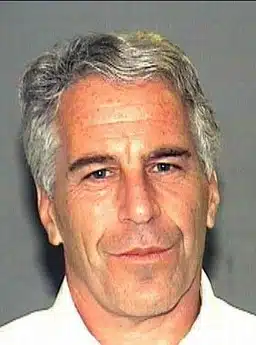
Source: Palm Beach County Sheriff's Department

Source: United States Federal Government

Source: Weill Cornell Medicine
Can a spa owner be held liable for sexual abuse by an employee in a massage spa? This critical question affects countless survivors seeking justice after experiencing trauma in what should be a place of relaxation and healing. As a survivor of abuse in a law firm with decades of experience, we've seen firsthand how negligent spa management enables such horrific acts. In this comprehensive guide, Thomas Giuffra, Esq., of The Abuse Lawyer NY - Top Sexual Abuse Attorneys, breaks down the legal principles, real-world examples, and steps for accountability.
Spa owners bear significant responsibility for their employees' actions, particularly in intimate settings like massage parlors, where vulnerability is heightened. Under core legal doctrines such as respondeat superior, employers can be held vicariously liable for harms caused by workers acting within the scope of their employment. This means that if a masseuse or therapist engages in sexual abuse during a session, the spa owner may face direct financial and legal consequences. Our firm, led by Thomas Giuffra, Esq., has represented numerous survivors whose employers failed to properly screen hires or ignored complaints, resulting in successful claims against business owners.
The principle hinges on whether the abusive act occurred during the course of job duties. Massages inherently involve physical contact, blurring lines between professional touch and misconduct. Courts often rule that sexual advances by employees fall under the employment scope if they exploit the position's intimacy. We've handled cases where spa owners knew of prior complaints but continued to employ predatory staff, thereby amplifying liability through negligent hiring, supervision, or retention.
Consider the layers of duty that spas owe their clients: proper vetting of employees through background checks, ongoing training on boundaries, and swift response to red flags. Failure here not only endangers patrons but also exposes owners to lawsuits for compensatory damages, including medical bills, therapy, lost wages, and pain and suffering. Punitive damages may apply if gross negligence is proven, deterring future lapses.
Vicarious Liability (Respondeat Superior): This doctrine makes employers answer for employee torts committed on the job. In massage spas, abuse during sessions typically qualifies, as therapists are hired to provide physical services. Thomas Giuffra, Esq., has secured verdicts where spa owners paid millions because employees abused clients under the guise of legitimate therapy. The rationale: businesses profit from these interactions, so they must ensure safety.
Negligent Hiring: Spa owners must conduct thorough background checks, including verifying that there is no history of sexual offenses. We've seen cases where prior convictions were ignored, leading to owner liability. Courts demand proof of reasonable diligence; skipping checks or hiring despite red flags triggers responsibility.
Negligent Supervision and Retention: Ongoing oversight is crucial. If a spa ignores client complaints or employee misconduct warnings, owners become liable for foreseeable harms. Our experience shows patterns: multiple reports are dismissed until a severe incident occurs, and then lawsuits follow, supported by records and witness testimony.
Premises Liability: Spas as private businesses must maintain safe environments. Inadequate security, private rooms without cameras, or a lack of panic buttons can compound claims. Combined with other theories, this strengthens survivor cases.
These theories interlink, creating robust claims. For specialized guidance on Massage Spa Sexual Abuse Legal Support and Recovery, our team provides confidential consultations around the clock.
Drawing from our extensive caseload, one representative matter involved a massage therapist who escalated touch to sexual assault during sessions. The spa owner, aware of similar past complaints via employee logs, retained the worker. We proved negligent retention, securing a settlement covering lifelong therapy and wage loss. Another case highlighted negligent hiring: a masseuse with a sealed sexual battery record slipped through lax checks, abusing multiple clients. The owner's failure to verify credentials led to a jury award emphasizing deterrence.
These aren't isolated; patterns emerge across spas prioritizing profits over safety. Employees exploit trust in wellness settings, and owners evade accountability without legal pressure. Thomas Giuffra, Esq., with over 50 years of combined firm experience, has navigated these complexities, often uncovering internal emails or logs proving knowledge of risks.
Survivors report common tactics: gaslighting complaints as misunderstandings, pressuring silence via NDAs, or retaliating against reporters. We counter with evidence preservation strategies, from securing session recordings to witness statements, building ironclad cases.
Time is critical post-incident. First, seek medical attention for physical and emotional evaluation, documenting injuries via photos and reports. Preserve evidence: keep clothing, receipts, and notes on details like employee name, time, and descriptions. Report to authorities promptly, as statutes of limitations vary but often extend for abuse victims.
Contact a specialized attorney early. Delaying risks evidence loss, like spa footage overwriting. Our firm offers 24/7 availability, guiding confidential reporting while preparing civil claims parallel to criminal probes.
Explore Free Confidential Consultations for Abuse Survivors to discuss your options without obligation. We handle communications, shielding you from retraumatization.
Defenses include arguing that acts were outside the scope of employment, such as 'frolic and detour.' However, courts reject this in massage contexts, given inherent physicality. Spas claim ignorance, but discovery reveals truths: ignored HR reports or cut training costs.
Emotional hurdles for survivors—fear, shame—complicate testimony. Expert witnesses, including psychologists, bolster cases by explaining trauma's impact on recall. We've overcome these via meticulous preparation, achieving favorable outcomes.
Insurance plays a role; spas carry policies, but exclusions for intentional acts push direct owner liability. Negotiating with carriers requires expertise to maximize recoveries.
To mitigate risks, owners should implement rigorous hiring procedures: criminal checks, reference verifications, and licensing confirmations. Training programs on ethics, consent, and boundaries, with annual refreshers, are essential. Install visible cameras in common areas, provide client feedback mechanisms, and enforce zero-tolerance policies with immediate terminations.
Regular audits and third-party compliance reviews demonstrate due diligence, potentially defeating claims. While not absolving all liability, these significantly reduce exposure.
Beyond physical harm, survivors endure PTSD, anxiety, depression, and relationship fractures. Long-term therapy, often for decades, incurs massive costs. Lost career opportunities from trauma compound damage. Our settlements reflect this totality, prioritizing holistic recovery.
Empowerment through justice aids healing. Many clients report closure post-resolution, reclaiming their lives.
Navigating these claims demands specialists versed in abuse litigation. Thomas Giuffra, Esq., brings proven results and a track record of multi-million-dollar verdicts. Our compassionate approach ensures client-centered strategies, from intake to trial.
We coordinate with therapists, investigators, and experts to streamline processes. No fees unless victorious underscores commitment.
Yes, under respondeat superior, spa owners can be held vicariously liable for abuse that occurs within the scope of employment. Massage sessions involve authorized physical contact, making sexual misconduct a foreseeable extension in the courts' eyes. Thomas Giuffra, Esq., has won cases where owners paid for employee assaults during services, as businesses profit from these interactions and must supervise accordingly. Proving scope requires evidence like session timing and employee duties. Defenses claim deviation, but intimate settings weaken them. Survivors benefit from parallel criminal and civil pursuits, with experts testifying on patterns. Our firm meticulously documents this liability to secure compensation for medical care, therapy, and emotional distress. This doctrine incentivizes better hiring and oversight, protecting future clients. Prompt consultation preserves evidence crucial to these claims.
Negligent hiring occurs when spa owners fail to properly vet employees, allowing predators access to vulnerable clients. This includes skipping background checks revealing sexual offense histories or ignoring reference red flags. In our practice, we've exposed spas hiring despite known risks, leading to liability for subsequent abuses. Courts hold owners to a reasonable care standard, demanding criminal record searches and credential verifications. Failure invites lawsuits where survivors recover damages. Preventive steps, such as third-party screening services, mitigate risks. For victims, proving this involves the discovery of hiring files, showing lapses. Thomas Giuffra, Esq., leverages FOIA requests and subpoenas effectively. This theory aligns with others to support comprehensive claims, emphasizing owners' foresight duties in high-trust environments such as spas.
Negligent supervision arises when owners fail to adequately monitor employees after hiring, ignoring complaints or behavioral issues. Spas must train on boundaries, conduct performance reviews, and act on feedback. We've secured judgments in which multiple ignored reports preceded assaults, establishing foreseeability. Evidence includes client logs, emails, and witness accounts. Owners can't claim ignorance if records show knowledge. This extends to retention: keeping risky staff amplifies liability. Comprehensive policies with anonymous reporting and swift investigations protect businesses. Survivors use this for punitive awards, highlighting recklessness. Our 24/7 team guides evidence gathering, ensuring strong cases despite intimidation tactics.
Absolutely, premises liability applies when spas fail to maintain safe environments, such as failing to provide security in private rooms or to follow emergency protocols. Owners owe invitees a duty of reasonable care against foreseeable harm. In abuse scenarios, inadequate lighting, no duress alarms, or isolated treatment areas heighten risks. Combined with employee misconduct, this bolsters claims. Thomas Giuffra, Esq., has used facility audits in litigation to reveal violations. Survivors document scene details immediately. Owners mitigate by using cameras, staff training, and layout designs that promote visibility. Successful claims recover damages for enhanced injuries caused by unsafe conditions.
Critical evidence includes medical records documenting injuries, contemporaneous incident notes, spa receipts with employee IDs, security footage, complaint logs, and witness statements. Digital trails, such as texts or reviews, corroborate patterns. Our investigators secure these swiftly, countering spoliation. Expert reconstructions link failures to harms. Statutes favor survivors by imposing discovery rules that compel disclosures. Preserve everything; consult experts to avoid pitfalls.
Yes, but extensions apply for abuse victims, often pausing during the minority or discovery of harm. Adult survivors typically have 2-3 years from the incident or realization, varying by claim type. Criminal statutes differ. Thomas Giuffra, Esq., assesses promptly and files on time. Revival windows exist for older cases. Don't delay; evidence degrades.
Yes, civil suits proceed independently, offering fuller compensation. Criminal convictions serve as powerful evidence. We've used pleas to pressure settlements. Civil burdens are lower (preponderance vs. beyond a reasonable doubt). Pursue both tracks for maximum justice.
Awards cover economic losses (medical, wages) and non-economic (pain, PTSD therapy). Punitive for egregious conduct. Our verdicts range from hundreds of thousands to millions, tailored to impacts. Factors: injury severity, owner negligence degree. No caps in many intentional torts.
Policies often cover negligence but exclude intentional acts, targeting owner assets. We negotiate aggressively and uncover coverage through discovery. Some have abuse-specific riders. Expertise navigates denials for optimal recoveries.
Specialists like Thomas Giuffra, Esq., understand nuances, from trauma-informed handling to strategic litigation. Track records yield better outcomes; generalists miss leverage points. Free consults assess viability confidentially. Our 50+ years ensure compassionate, results-driven advocacy.
Spa owners can indeed face liability for employee sexual abuse through proven legal avenues. Armed with this insight, survivors empower themselves to take accountability and pursue healing. Contact The Abuse Lawyer NY today for unwavering support.
Thomas Giuffra, Esq. - The Abuse Lawyer NY
551 5th Avenue, 29th Floor,
New York, NY 10017
(646) 413-6394
Hours Of Operation
Monday: 24 Hours
Tuesday: 24 Hours
Wednesday: 24 Hours
Thursday: 24 Hours
Friday: 24 Hours
Saturday: 24 Hours
Sunday: 24 Hours
Cases We Handle
Sexual abuse lawyer
Child abuse lawyer
Clergy abuse lawyer
Private boarding school abuse lawyer
Doctor abuse lawyer
Daycare abuse lawyer
Hazing and Bullying abuse lawyer
Massage spa abuse lawyer