Schedule A Call Now
A New York Sexual Abuse Lawyer For Survivors
Over 50 Years Experience \\ Get Help 24/7
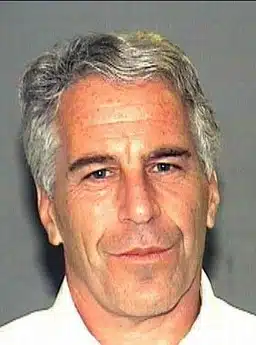
Source: Palm Beach County Sheriff's Department

Source: United States Federal Government

Source: Weill Cornell Medicine
Can you still seek justice for boarding school sexual abuse that occurred years ago? The answer is yes, thanks to important legal changes that extend time limits for survivors to come forward. Many survivors wonder if it's too late to hold abusers accountable, but extended statutes of limitations and dedicated legal support make it possible to pursue claims even decades later. This comprehensive guide explores your rights, the legal pathways available, and how experienced attorneys can help you navigate this process.
Boarding school sexual abuse leaves deep, lasting scars on survivors, often delaying disclosure for years due to shame, fear, or trauma. Understanding the legal framework is crucial for taking that first step toward justice and healing. With the right guidance from The Abuse Lawyer NY experienced sexual abuse attorneys, you can explore viable options tailored to your situation.
Statutes of limitations set the timeframe within which you must file a legal claim. For childhood sexual abuse, traditional limits often expired long before survivors felt ready to speak out. However, landmark legislation like the Child Victims Act has revolutionized this landscape. This act allows survivors of childhood sexual abuse to file civil lawsuits well into adulthood, specifically extending the window until age 55 or within seven years of discovering the abuse.
These changes recognize the unique psychological barriers survivors face. Trauma can suppress memories or create dissociation, making it impossible to act sooner. Courts now acknowledge this through concepts such as the "discovery rule," under which the clock starts when you reasonably recognize the abuse and its impact. For boarding school cases, where authority figures exploited positions of trust in isolated environments, these extensions are particularly vital.
Consider how dormitories, late-night supervision, and group activities provided opportunities for predators. Survivors often recount grooming tactics—gifts, extra attention, or threats—that normalized the abuse. Years later, these memories resurface, triggering a need for accountability. Legal reforms ensure you don't lose your right to sue simply because time has passed.
The Child Victims Act stands as a beacon for survivors. Enacted to address decades of institutional cover-ups, it suspended statutes of limitations for one year, allowing a "lookback window" for old cases. Even after that window, core extensions remain: survivors can sue until age 55 or for 7 years after discovery. This applies to abuse by teachers, coaches, staff, or peers in boarding school settings.
Additional reforms bolster criminal prosecutions. Previously, criminal statutes ended at age 23 or five years post-offense. Now, no limit exists for felony sex crimes against minors under 18. This dual civil-criminal approach means you can pursue compensation while aiding prosecution. Civil suits target not just the abuser but institutions that failed to protect you—schools are liable for negligent hiring, inadequate oversight, or cover-ups.
Evidence from past cases shows patterns: schools prioritizing reputation over safety, shuffling abusers between positions, or ignoring complaints. These institutional failures amplify liability, potentially leading to multimillion-dollar settlements. Survivors have secured justice against entities that enabled the abuse, proving that time does not erase accountability.
Boarding schools, with their 24/7 control over students' lives, create unique vulnerabilities. Children away from family rely entirely on staff for protection. Abusers exploit this isolation—entering dorms unchecked, organizing unsupervised trips, or using extracurricular roles for access. Statistics reveal alarming prevalence: surveys indicate 10-15% of students in residential programs experience some form of sexual misconduct.
Grooming often begins subtly: a teacher offering "mentorship," a coach providing private training sessions, or a counselor holding confidential talks. These escalate to physical violations. Survivors describe confusion, self-blame, and silence enforced by power imbalances. Years later, therapy or life events unearth these truths, prompting legal action.
Institutions bear responsibility. Failing to background-check staff, ignoring red flags, or retaliating against whistleblowers constitutes negligence. Successful claims hinge on proving the school knew or should have known of risks. Documented patterns, such as multiple complaints against a single staffer, strengthen cases dramatically.
Starting the process feels daunting, but structured steps empower you. First, document everything: journals, memories, witness contacts, and medical records showing trauma impacts like PTSD, depression, or substance issues linked to the abuse. These build your narrative.
Next, consult a specialized attorney. Experts in boarding school sexual abuse lawyer services assess viability, gather evidence discreetly, and handle investigations. They identify liable parties, negotiate settlements, or litigate if needed. Free consultations allow risk-free evaluation.
Preserve evidence carefully. Photos, letters, school records, or alumni networks can corroborate claims. Attorneys often partner with investigators to uncover suppressed reports or similar victim accounts, bolstering credibility.
Expect a thorough case review: timelines, abuser identity, institutional involvement. Strong cases feature multiple victims or prior incidents, but solo testimonies succeed too, especially with expert psychological testimony linking long-term harm to the abuse.
Civil suits offer comprehensive recovery beyond criminal penalties. Damages include economic losses—therapy costs, lost wages from trauma-induced career disruptions—and non-economic pain, suffering, and emotional distress. Punitive damages punish egregious institutional misconduct.
Average settlements range widely: modest cases yield tens of thousands; institutional failures with multiple victims reach millions. Factors like abuse severity, duration, perpetrator status, and cover-up evidence drive values. Survivors report life-changing awards, funding, counseling, education, or stability.
Claims target deep-pocketed institutions, ensuring payouts without personal abuser solvency worries. Contingency fees mean no upfront costs—attorneys are paid from winnings, aligning incentives for maximum recovery.
Time doesn't erase hurdles. Defendants may claim faded memories or lack evidence, but survivor testimonies hold weight, supported by patterns or documents. Statutes provide leeway, countering "too late" defenses.
Emotional tolls loom large: reliving trauma in depositions or trials. Skilled attorneys shield you, using mediators for settlements, avoiding court. Therapy integration aids resilience.
Institutional resistance—denials, countersuits—is common. Experienced counsel anticipates tactics, leveraging precedents. Public scrutiny post-#MeToo empowers survivors, shifting narratives from victim-blaming to accountability.
Thomas Giuffra, Esq., leads The Abuse Lawyer NY with deep expertise in sexual abuse litigation. His firm handles sensitive cases with discretion, fighting for the dignity of survivors. Available 24/7, they offer compassionate, strategic representation. Learn more via their dedicated sexual abuse law firm page.
Giuffra's approach emphasizes survivor empowerment, thorough investigations, and relentless pursuit of justice. From initial consult to resolution, clients receive personalized guidance, ensuring no detail is overlooked.
Justice transcends verdicts. Suits validate experiences, disrupt silence, and prevent future abuses. Many survivors find closure and reclaim narratives. Support networks, therapy, and peer groups complement legal paths.
Reporting aids healing, even sans lawsuit. Hotlines and survivor organizations provide confidential aid. Combining legal action with therapy maximizes recovery.
Yes, extended statutes of limitations under acts like the Child Victims Act allow claims until age 55 or seven years after discovering the abuse's impact. This accommodates delayed recollections common in trauma cases. For instance, if abuse occurred at age 12 and you recognize its effects at 50, you have time to sue. These rules apply to civil suits against abusers and negligent institutions. Consult an attorney promptly to evaluate your specific timeline, as nuances such as continuous abuse or institutional discovery can further extend the window. Specialized lawyers review records, memories, and precedents to confirm eligibility, ensuring no viable claim expires unnoticed. Many survivors in similar positions have successfully pursued justice decades later, securing compensation for lifelong harms.
Key evidence includes your detailed account, corroborated by journals, letters, therapy notes, or medical records showing trauma symptoms like anxiety or PTSD. Witness statements from peers or staff, school documents, or patterns of similar complaints strengthen cases. Even without physical proof, credible testimony suffices, especially with psychological experts linking current issues to past abuse. Attorneys investigate discreetly, uncovering suppressed reports or abuser histories. Digital forensics recover old emails or photos. Successful cases often feature evidence of institutional negligence, like ignored warnings. Start by documenting memories chronologically—dates, locations, descriptions. Professional guidance preserves and amplifies evidence, turning personal stories into compelling legal narratives that courts recognize.
Institutions bear significant liability for negligence: failing to screen staff, ignoring complaints, or covering up incidents. Schools must ensure student safety; breaches, such as inadequate supervision in dorms or during activities, invite lawsuits. Administrators shuffling abusers or silencing victims amplify responsibility. Third parties, like oversight organizations, may share fault. Civil claims target these entities for deep compensation, as abusers rarely have resources. Precedents show multimillion-dollar settlements against schools for systemic failures. Attorneys trace liability chains to prove foreknowledge or recklessness. This approach holds powerful institutions accountable, deterring future negligence and validating survivor experiences beyond individual perpetrators.
Timelines vary from months to years. Many settle pre-trial via negotiation, resolving in 6-18 months. Litigated cases extend 2-4 years due to discovery, motions, trials. Factors include case complexity, defendant cooperation, and evidence volume. Experienced attorneys expedite via strong initial filings, pressuring settlements. Contingency models keep costs low. During waits, support continues—therapy referrals, updates. Post-Child Victims Act, courts prioritize abuse dockets, reducing delays. Patience yields results; survivors report worthwhile waits for closure and awards transforming lives. Track progress with your lawyer; strategic choices minimize drags.
No, most cases settle out of court through mediation or negotiation, avoiding public trials. Attorneys leverage evidence for favorable terms, with 95%+ resolving privately. Courts serve as backstops if defendants resist. Settlements include confidentiality, if desired, to protect privacy. This path minimizes retraumatization while securing compensation. Lawyers assess early if trial suits your goals, preparing thoroughly regardless. Survivors value control over narratives, and out-of-court wins achieve this efficiently. If litigation is needed, compassionate representation eases burdens.
Awards cover economic damages (therapy, lost income) and non-economic damages (pain, suffering). Punitive damages punish gross negligence. Ranges: $100K+ for single incidents; millions for institutional failures or prolonged abuse. Valuations factor severity, impact, and liability. Therapy costs, future care, and career disruptions were quantified by experts. Survivors fund healing, stability. No caps in many jurisdictions enhance recoveries. Contingency fees ensure access. Past verdicts guide expectations; attorneys maximize their position through negotiation or trial.
No, reputable firms offer free, confidential consultations. Contingency billing means no upfront fees—payment from winnings only. This democratizes access, focusing attorneys on strong cases. Initial meetings assess viability, outline strategies, and answer questions. 24/7 availability accommodates urgency. Expertise like Thomas Giuffra's ensures informed guidance without financial risk, empowering decisions.
Yes, claims proceed against estates or institutions for negligence. Wrongful death or survival statutes apply. Institutional liability persists independently. Many high-profile cases targeted schools post-abuser death, yielding settlements. Evidence of cover-ups sustains suits. Attorneys navigate probate, proving ongoing harms justify awards.
Trauma induces dissociation, repression, and shame, delaying disclosure. Brain science shows that memories are fragmented, surfacing later in response to triggers. Discovery rules account for this, starting clocks upon realization. Therapy often catalyzes reporting. Courts validate via expert testimony. Legal extensions honor these realities, ensuring justice is accessible when ready.
Attorneys provide emotional advocacy, therapy referrals, and peer networks. Firms like The Abuse Lawyer NY offer compassionate handling. Hotlines and counselors aid resilience. Settlements fund ongoing care. Legal processes integrate healing, transforming pain into empowerment through accountability.
Thomas Giuffra, Esq. - The Abuse Lawyer NY
551 5th Avenue, 29th Floor,
New York, NY 10017
(646) 413-6394
Hours Of Operation
Monday: 24 Hours
Tuesday: 24 Hours
Wednesday: 24 Hours
Thursday: 24 Hours
Friday: 24 Hours
Saturday: 24 Hours
Sunday: 24 Hours
Cases We Handle
Sexual abuse lawyer
Child abuse lawyer
Clergy abuse lawyer
Private boarding school abuse lawyer
Doctor abuse lawyer
Daycare abuse lawyer
Hazing and Bullying abuse lawyer
Massage spa abuse lawyer