Schedule A Call Now
A New York Sexual Abuse Lawyer For Survivors
Over 50 Years Experience \\ Get Help 24/7
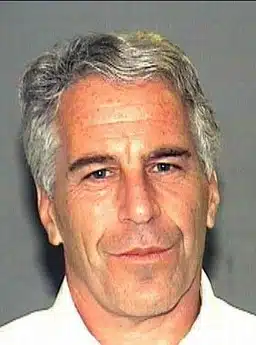
Source: Palm Beach County Sheriff's Department
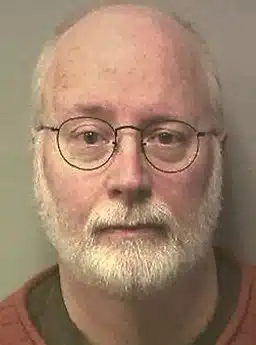
Source: United States Federal Government

Source: Weill Cornell Medicine
Trafficking victims deserve comprehensive legal protections to rebuild their lives after unimaginable trauma. This guide explores the key safeguards, support systems, and pathways to justice available to survivors, empowering you with knowledge to take the next steps.
Understanding your rights as a trafficking survivor is the first step toward recovery and empowerment. Legal protections encompass criminal prosecution of perpetrators, civil remedies for compensation, immigration relief, and access to essential services. These measures recognize the profound impact of trafficking and aim to provide restitution, safety, and restoration. Experienced advocates like Thomas Giuffra, Esq. - The Abuse Lawyer NY, play a crucial role in navigating these complexities, offering compassionate representation to ensure survivors' voices are heard and their needs met.
Trafficking involves the recruitment, harboring, transportation, provision, or obtaining of a person for labor or services through force, fraud, or coercion, or for commercial sex acts where force, fraud, or coercion is used. Survivors often face physical, emotional, and psychological scars that linger long after escape. The legal system responds with a multi-layered framework designed to punish traffickers while protecting victims.
At the core, federal laws such as the Trafficking Victims Protection Act (TVPA) establish baseline protections, including certification for benefits and T visas for immigration relief. These are supplemented by state-level statutes that enhance victim rights, such as vacating convictions obtained through trafficking coercion and providing restitution funds. Sex trafficking lawyers specialize in these areas, helping survivors secure restraining orders, pursue civil lawsuits, and access pro bono services from dedicated organizations.
The role of a dedicated attorney cannot be overstated. They advocate in both criminal and civil courts, ensuring survivors receive compensation for medical bills, therapy, lost wages, and pain and suffering. By dismantling trafficking networks, these professionals contribute to broader justice, preventing future victimization.
In criminal proceedings, trafficking victims are positioned as key witnesses, with protections to shield them from intimidation. Prosecutors must prioritize victim safety, often through no-contact orders and witness protection programs. Survivors have the right to be informed of case developments, participate in plea negotiations, and request restitution from convicted traffickers.
A pivotal aspect is the failure to prosecute victims. Many survivors face charges stemming from acts committed under duress, such as prostitution or drug offenses. Laws now mandate vacatur of these convictions, restoring legal status and eligibility for employment or housing. Attorneys assist in filing motions to vacate, a process that requires detailed evidence of coercion but leads to profound relief.
Furthermore, human trafficking task forces collaborate with law enforcement to investigate and prosecute cases efficiently. Survivors benefit from victim-witness coordinators who provide emotional support, translation services, and transportation to court. These safeguards ensure that the pursuit of justice does not retraumatize individuals.
Beyond criminal courts, civil lawsuits offer powerful recourse. Survivors can sue traffickers, pimps, hotels, online platforms, or even complicit businesses under theories like negligence, premises liability, or Trafficking Victims Protection Reauthorization Act (TVPRA) claims. Successful suits yield damages for economic losses, emotional distress, and punitive awards to deter future crimes.
Statutes of limitations vary, but many jurisdictions extend them for trafficking cases, recognizing delayed reporting due to fear or control. Experienced lawyers, such as those specializing in sex trafficking representation, build robust cases using survivor testimony, digital evidence, and expert witnesses. For instance, hotels that ignored signs of trafficking have faced multimillion-dollar judgments, setting precedents for accountability.
Compensation funds also exist, pooling resources from fines and settlements to aid survivors directly. These funds cover housing, counseling, and education, providing stability during recovery. Check out specialized resources via Expert Sex Trafficking Lawyer Services for Survivors to explore tailored legal strategies.
Many survivors are immigrants or non-citizens, facing deportation fears alongside trauma. The T visa offers temporary legal status, work authorization, and a path to permanent residency for victims who cooperate with law enforcement. Eligibility requires proof of trafficking and extreme hardship if removed.
Continued Presence (CP) provides interim relief, allowing survivors to remain and work while investigations proceed. U visas for related crimes like forced labor or witness tampering further protect qualifying individuals. Attorneys guide applicants through law enforcement certification, a critical step often overlooked.
Family members may also qualify for derivative status, preserving unity. These protections underscore the legal system's commitment to holistic recovery, addressing both immediate safety and long-term stability. Learn more about integrated support at Thomas Giuffra Sexual Abuse Law Firm Expertise.
Legal protections extend to social services, including hotlines that connect survivors to shelters, medical care, and counseling. Organizations offer pro bono legal aid, specializing in trafficking cases to bridge financial gaps. These groups handle everything from restraining orders to immigration petitions, ensuring comprehensive care.
Victim compensation boards reimburse out-of-pocket expenses, such as therapy or relocation. Educational programs and job-training initiatives empower survivors economically, breaking the cycles of vulnerability. Attorneys coordinate these resources, streamlining access during times of overwhelming demand.
Sex trafficking lawyers serve as beacons of hope, demystifying the legal process and amplifying survivor voices. They secure restraining orders swiftly, advocate for immigration relief, and litigate civil claims aggressively. Thomas Giuffra, Esq., renowned as The Abuse Lawyer NY, exemplifies this dedication, providing experienced representation to combat abuse networks and support survivor dignity.
With a track record of dismantling trafficking operations, such attorneys ensure perpetrators face consequences while survivors receive deserved compensation. Their expertise in both criminal defense for victims and offensive civil actions creates a full-spectrum shield. Compassion defines their approach, recognizing the unique trauma in each case.
Immediate action begins with safety: contact a national hotline for confidential guidance. Document evidence discreetly, such as photos or messages, without endangering yourself. Consult a specialized attorney promptly to assess rights and options.
Prepare for consultations by gathering event timelines, perpetrator details, and service records. Free initial meetings allow evaluation without commitment. Persistence pays off, as many cases succeed through coordinated efforts.
Engage support networks early, combining legal aid with therapy for resilience. Track all communications and expenses for reimbursement claims. This proactive stance transforms victims into victors.
Barriers include distrust of authorities from prior exploitation, language hurdles, and PTSD symptoms hindering testimony. Stigma silences many, fearing judgment. Attorneys mitigate these by building trust, providing interpreters, and using trauma-informed methods.
Complex cases involving international elements require federal coordination, which can prolong processes. Yet, expanded resources and awareness are closing gaps, with more convictions annually.
Legislative momentum pushes for stronger penalties, better victim funds, and tech accountability for platforms enabling trafficking. Advocacy amplifies survivor stories and shapes policy. Continued investment in task forces promises swifter justice.
Trafficking victims gain immediate access to safety measures like emergency restraining orders and shelter placement through coordinated services. National hotlines connect survivors to pro bono attorneys who file for protective orders within hours, preventing contact from traffickers. Victim-witness specialists ensure safe court participation, with options for remote testimony to minimize trauma. Federal laws mandate law enforcement certification for immigration relief, halting deportation proceedings instantly. Compensation boards cover urgent medical and relocation costs without repayment obligations. Specialized lawyers, experienced in high-stakes cases, expedite these processes by drawing on networks for rapid responses. This multifaceted shield prioritizes safety, allowing focus on healing while justice unfolds methodically.
Yes, laws specifically allow vacatur of convictions resulting from trafficking coercion, such as prostitution or minor offenses committed under duress. Survivors file motions with courts, supported by affidavits detailing exploitation. Attorneys compile evidence, such as witness statements and psychological evaluations, to prove a lack of voluntariness. Successful vacatur restores rights to vote, work, and access housing, erasing barriers to normalcy. Pro bono organizations assist low-income applicants, streamlining paperwork. This protection acknowledges victimhood over criminality, with success rates improving as awareness grows. Experienced representation ensures thorough documentation, transforming legal histories and opening the door to recovery.
The T visa provides nonimmigrant status for human trafficking victims, including work authorization and a residency path. Qualification requires being a victim of severe trafficking, being willing to assist law enforcement, and facing hardship if removed. Applications need certification from authorities verifying cooperation. Family derivatives extend benefits. Processing takes time, but interim parole options bridge gaps. Lawyers specialize in gathering evidence and negotiating certifications, boosting approvals. This vital tool offers stability, enabling therapy, education, and employment without fear.
Civil suits against traffickers, facilitators, or negligent parties can yield compensation for damages such as medical costs, lost income, and suffering. TVPRA claims hold businesses liable for profiting from trafficking. Punitive damages punish egregious conduct. Statutes extend filing windows for delayed discovery. Attorneys leverage discovery to uncover assets and secure judgments. Settlements often provide funds for recovery more quickly. These actions not only fund healing but deter complicity, fostering safer environments.
Numerous organizations deliver pro bono legal aid tailored to trafficking survivors, covering immigration, vacatur, and civil claims. Partnerships with bar associations match cases to volunteer attorneys. Hotlines triage needs and connect to specialists. No financial eligibility barriers ensure accessibility. These services include court accompaniment and resource navigation, empowering self-advocacy. A commitment to justice, regardless of means, underscores systemic support.
Sex trafficking lawyers advocate comprehensively, securing orders, pursuing compensation, and handling immigration. They demystify processes, provide trauma-sensitive counsel, and litigate aggressively. Expertise in dismantling networks maximizes outcomes. Compassionate guidance builds confidence, turning fear into action. Their pivotal role empowers reclamation of lives through justice.
Restitution mandates traffickers repay victims for losses, enforced via criminal or civil means. Funds cover therapy, relocation, and wages. Victim compensation programs supplement if perpetrators lack assets. Successful claims transform burdens into resources, funding independence.
Protections include closed courtrooms, victim advocates, and shielding identities. No-contact rules and relocation aid prevent intimidation. Trauma-informed prosecutors prioritize welfare. These measures ensure testimony without retraumatization.
Legal aid integrates with counseling, housing, and job training. Hotlines coordinate holistic plans. Medical for forensic exams and therapy. Educational grants rebuild futures. Coordinated care accelerates healing.
Timelines vary: criminal from months to years, depending on complexity; civil cases are quicker via settlements. Immigration relief spans 1-2 years. Attorneys expedite through motions and negotiations, minimizing delays while maximizing results.
Thomas Giuffra, Esq. - The Abuse Lawyer NY
551 5th Avenue, 29th Floor,
New York, NY 10017
(646) 413-6394
Hours Of Operation
Monday: 24 Hours
Tuesday: 24 Hours
Wednesday: 24 Hours
Thursday: 24 Hours
Friday: 24 Hours
Saturday: 24 Hours
Sunday: 24 Hours
Cases We Handle
Sexual abuse lawyer
Child abuse lawyer
Clergy abuse lawyer
Private boarding school abuse lawyer
Doctor abuse lawyer
Daycare abuse lawyer
Hazing and Bullying abuse lawyer
Massage spa abuse lawyer