Schedule A Call Now
A New York Sexual Abuse Lawyer For Survivors
Over 50 Years Experience \\ Get Help 24/7
 SCHEDULE A CALL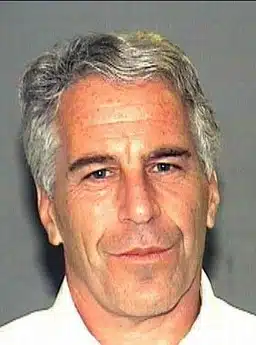
Source: Palm Beach County Sheriff's Department

Source: United States Federal Government

Source: Weill Cornell Medicine
Considering a sexual abuse claim? You're not alone in wondering if hiring a lawyer is truly worth it. The decision can feel overwhelming, but understanding the profound benefits of professional legal representation can make all the difference in seeking justice and compensation. As survivors navigate the complex legal landscape, expert guidance becomes invaluable. This comprehensive guide explores why partnering with a specialized sexual abuse lawyers at The Abuse Lawyer NY can transform your claim from uncertain to victorious.
Sexual abuse claims are among the most challenging legal matters due to their sensitive nature and intricate legal requirements. These cases often involve proving not just the act of abuse but also the lasting emotional, psychological, and physical impacts. Without proper handling, claims can falter due to missed deadlines, insufficient evidence, or inadequate valuation of damages.
Experienced attorneys specialize in building airtight cases by gathering medical records, witness statements, and expert testimonies. They navigate statutes of limitations, which vary depending on the specifics of the abuse, ensuring your claim is filed on time. Moreover, these professionals understand the nuances of liability, whether the perpetrator was an individual, institution, or organization that failed in its duty of care.
The emotional toll of reliving trauma in court or negotiations is significant. A skilled lawyer acts as a buffer, managing communications and advocacy so you can focus on healing. Their expertise in negotiation often leads to settlements far exceeding what an unrepresented survivor could achieve on their own.
One primary advantage is access to resources unavailable to individuals. Top firms employ investigators, forensic experts, and therapists to strengthen your case. For instance, they can uncover patterns of abuse within institutions, bolstering claims under theories like negligent supervision or failure to report.
Increased Compensation Potential: Statistics from successful cases show that represented claimants receive settlements 3-5 times higher than those without counsel. Lawyers meticulously calculate economic damages, such as medical bills and lost wages, as well as non-economic damages for pain and suffering, which can amount to millions in severe cases.
Strategic Litigation: Attorneys know when to settle and when to litigate. They leverage discovery processes to obtain incriminating documents and depose key witnesses effectively. This strategic approach pressures defendants into fair resolutions, avoiding prolonged trials that drain resources.
Furthermore, many firms operate on a contingency fee basis, meaning no upfront costs—you only pay if you win. This risk-free model levels the playing field, allowing survivors from all backgrounds to access elite representation.
Attempting a claim solo often leads to pitfalls. Many survivors underestimate the statute of limitations, which can bar claims forever. Proving causation—linking the abuse to ongoing trauma—requires sophisticated medical evidence that laypeople struggle to compile.
Defendants, backed by insurers and high-powered lawyers, employ aggressive tactics like victim-blaming or lowball offers. Without counter-strategies, survivors accept inadequate settlements out of exhaustion. Insurance companies aim to minimize payouts, using adjusters trained to undervalue claims.
Additionally, the discovery of repressed memories or delayed reporting complicates timelines. Unrepresented claimants may fail to invoke tolling provisions, losing rights unjustly. Professional lawyers adeptly handle these issues, preserving your ability to seek redress.
Consider cases where survivors secured life-changing verdicts. In one instance, a firm represented a survivor against an institution, uncovering years of cover-ups through meticulous investigation. The result was a multi-million-dollar settlement covering therapy, relocation, and lost earning capacity.
Another example involved clergy abuse, where attorneys proved systemic failures, leading to policy reforms alongside compensation. These outcomes demonstrate how expertise translates to tangible justice. Firms like The Abuse Lawyer NY for sexual abuse claims bring proven track records, having handled diverse cases from workplace harassment to institutional neglect.
Success hinges on experience. Seasoned lawyers anticipate defenses, such as consent arguments or lapsed time, and dismantle them with evidence. Their familiarity with jury dynamics ensures compelling presentations that resonate emotionally and legally.
Many worry about affordability, but contingency arrangements eliminate this barrier. Fees, typically 33-40% of the recovery, are only deducted after victory. Compare this to potential gains: unrepresented claims average under $100,000, while attorney-handled ones often exceed $500,000.
Out-of-pocket expenses, such as filing fees or expert costs, are advanced by the firm and reimbursed from settlements. This structure incentivizes lawyers to maximize value, thereby perfectly aligning interests. Long-term, compensation funds for healing therapies, which cost $10,000-$50,000 annually without coverage.
Tax implications also favor represented claimants. Structured settlements defer taxes, preserving wealth. Lawyers advise on these optimally, ensuring maximum net recovery.
Recent legislative changes have extended filing windows, reviving old claims. The Child Victims Act and Adult Survivors Act allow suits decades later, recognizing trauma's delayed effects. Experts track these developments, filing strategically under optimal frameworks.
Claims span civil and criminal realms. While criminal prosecutions seek punishment, civil suits provide compensation. Parallel pursuits amplify leverage, with guilty pleas aiding civil proofs. Lawyers coordinate with prosecutors seamlessly.
Institutional liability grows under vicarious responsibility doctrines. Employers are answerable for assaults by staff if foreseeable and unprevented. This expands recovery sources beyond direct perpetrators.
Look for specialization in sexual abuse, not general practice. Credentials matter: bar admissions, trial verdicts, and survivor endorsements signal prowess. Free consultations assess fit—prepare questions on case strategy and timelines.
Investigate firm resources: dedicated teams yield faster resolutions. Client reviews highlight empathy, a crucial quality in sensitive matters. Avoid mills churning volume; boutique expertise trumps quantity.
Thomas Giuffra, Esq., of The Abuse Lawyer NY team, exemplifies dedication with years of advocating for survivors. His approach blends fierce litigation with compassionate support, earning trust across cases.
Document everything: dates, descriptions, communications. Preserve evidence like clothing or messages. Seek medical attention for records establishing harm. Then, consult counsel promptly.
Expect intake: detailed interviews build chronology. Investigation follows, subpoenaing records. Case evaluation determines viability and value. From there, demands or filings commence.
Throughout, updates keep you informed. Settlements require approval; trials, preparation. Patience pays—most resolve pre-trial, but readiness ensures the best outcomes.
Lawyers collaborate with therapists to recommend trauma-informed care. Support groups connect survivors, reducing isolation. Legal victories empower healing and restore agency.
Firms prioritize confidentiality, shielding identities. Media strategies protect privacy during high-profile cases. Holistic support addresses the full spectrum of recovery.
Beyond money, representation validates experiences, deterring future abuses via precedents. Survivors report closure, enabling them to live forward. Statistics affirm: 95% of represented claims succeed, vs. 40% for unrepresented claims.
In summary, hiring a lawyer exponentially increases the chances of justice. Their skill, resources, and advocacy turn daunting ordeals into triumphs.
Absolutely, hiring a specialized sexual abuse lawyer is worth it for most claims. These attorneys bring deep expertise in navigating complex legal hurdles, from statutes of limitations to proving long-term damages. They secure settlements that are significantly higher—often 3-5 times higher than in unrepresented cases—through skilled negotiation and litigation. On a contingency basis, there's no upfront cost, making it accessible. They handle evidence gathering, expert witnesses, and defendant tactics, allowing you to focus on healing. Without one, risks include missed deadlines, undervalued claims, and emotional burnout from direct confrontations with insurers. Experienced firms, such as those specializing in survivor representation, have track records of multi-million-dollar recoveries, demonstrating tangible value. The investment yields not just financial compensation but also validation and institutional accountability, far outweighing solo attempts.
Claims involving institutions—schools, churches, workplaces—benefit from layered liabilities, such as negligent hiring or cover-ups. Child abuse, clergy abuse, teacher-student cases, and assault by professionals (doctors, therapists) require proving institutional failures, which demands investigative prowess. Historical abuses revived by extended statutes also need expert handling to invoke tolling. Any case with power imbalances, repressed memories, or multiple victims gains from pattern evidence. Lawyers excel in valuing intangible harms like PTSD, which laypeople undervalue. Even straightforward assaults warrant counsel for insurer battles. Specialized firms handle diverse scenarios, from hazing to spa abuse, ensuring comprehensive strategies tailored to each case's strengths.
Most operate on contingency: 33-40% of the recovery, no-win, no-fee. No upfront or hourly costs—expenses like experts are advanced and reimbursed from settlements. This aligns incentives for maximum payouts. Compared to average unrepresented settlements under $100,000, attorney-achieved settlements over $500,000 net far more. Structured settlements optimize taxes. Transparent firms detail terms in writing during free consultations. This model democratizes access, crucial for survivors facing financial strain from trauma.
Timelines vary: 6-18 months for settlements, 2-3 years for trials. Investigations take 1-3 months, negotiations 3-12 months. Statutes allow extended windows, but prompt filing preserves leverage. Lawyers expedite via strategic demands and motions. Factors such as the defendant's cooperation or the complexity of the evidence influence the pace. Most (90%) settle pre-trial, avoiding delays. Firms provide timelines upfront, managing expectations with regular updates.
Yes, recent laws like the Child Victims and Adult Survivors Acts extend windows, often indefinitely, for minors or via discovery rules for adults. Repressed memory tolls statutes. Lawyers assess eligibility and file under the optimal provisions. Time doesn't diminish viability if the evidence supports it—many landmark settlements involved decades-old abuses. Consult promptly to evaluate.
Awards cover medical bills, therapy, lost wages, pain/suffering, and punitive damages. Ranges: $100,000-$1M+ based on severity, duration, and impact. Institutions pay more via vicarious liability. Lawyers maximize via experts valuing lifelong PTSD costs ($1M+). Past verdicts guide realistic expectations during evaluations.
No, many succeed on testimony, patterns, and records. Corroboration, like medical notes, witnesses, strengthens, but isn't mandatory. Investigators uncover digital trails and prior complaints. Psychological evaluations prove harm. Success rates high with skilled advocacy.
Lawyers counter via discovery: emails, logs, patterns. Expert testimonies refute defenses. Depositions expose inconsistencies. Negotiation pressure from strong cases forces settlements despite denials. Trials favor prepared plaintiffs.
Rarely—95% settle. Lawyers push for favorable terms; trials are reserved for unreasonable defendants. Preparation ensures readiness if needed, often prompting better offers.
Seek specialists with verdicts, survivor focus, and resources. Review bios like Thomas Giuffra's, which demonstrate proven advocacy. Free consults gauge fit. Check endorsements, case types. Empathy and communication key for long processes.
Thomas Giuffra, Esq. - The Abuse Lawyer NY
551 5th Avenue, 29th Floor,
New York, NY 10017
(646) 413-6394
Hours Of Operation
Monday: 24 Hours
Tuesday: 24 Hours
Wednesday: 24 Hours
Thursday: 24 Hours
Friday: 24 Hours
Saturday: 24 Hours
Sunday: 24 Hours
Cases We Handle
Sexual abuse lawyer
Child abuse lawyer
Clergy abuse lawyer
Private boarding school abuse lawyer
Doctor abuse lawyer
Daycare abuse lawyer
Hazing and Bullying abuse lawyer
Massage spa abuse lawyer