Schedule A Call Now
A New York Sexual Abuse Lawyer For Survivors
Over 50 Years Experience \\ Get Help 24/7
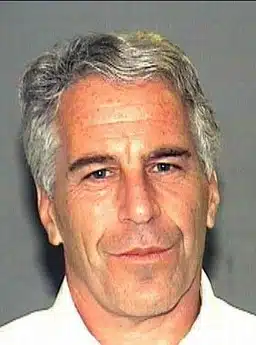
Source: Palm Beach County Sheriff's Department

Source: United States Federal Government

Source: Weill Cornell Medicine
Doctor sexual abuse is a profound betrayal of trust that raises critical questions about legal recourse. While it overlaps with medical malpractice, it is primarily treated as an intentional tort rather than negligence, allowing survivors to pursue justice through specific civil claims.
At Survivors of Abuse NY Legal Experts, we specialize in helping victims navigate these complex cases with compassion and precision. Our team understands the unique dynamics of doctor-patient relationships and the power imbalances that make true consent impossible.
Doctor sexual abuse encompasses any sexual contact, assault, or misconduct by a licensed medical professional. This includes inappropriate touching during examinations, coerced sexual acts, or exploitation under the guise of treatment. The inherent power imbalance in the doctor-patient relationship means patients cannot legally consent to such interactions, rendering them inherently exploitative.
Medical malpractice, by contrast, typically involves negligence or deviation from the standard of care, such as diagnostic errors or surgical mistakes. Sexual abuse, however, is intentional conduct—a deliberate violation of professional boundaries. This distinction is crucial because it determines the applicable laws, statutes of limitations, and potential defendants, including hospitals or clinics that may be vicariously liable.
Survivors often face emotional trauma compounded by institutional cover-ups or failures to report misconduct. Licensed medical professionals are required to report colleague misconduct, including sexual abuse, with failure to do so leading to disciplinary actions. Despite this, civil claims can proceed independently, empowering victims to seek compensation for physical, emotional, and financial harms.
To establish strong clarity, let's break down the core differences:
These distinctions ensure that doctor sexual abuse is not dismissed as mere malpractice but addressed as the intentional harm it is. For in-depth guidance on pursuing such claims, explore our dedicated resource on Doctor Sexual Abuse Legal Support Services.
The doctor holds authority, knowledge, and control over the patient's health, creating an insurmountable barrier to free consent. Any sexual interaction exploits this vulnerability and constitutes professional misconduct. Survivors report feeling manipulated, gaslighted, or threatened with withheld care, amplifying the trauma.
Legal systems recognize this by classifying such acts as battery, assault, or intentional infliction of emotional distress. Hospitals can be held accountable if they knew or should have known about the doctor's behavior, yet failed to act, as is common in cases involving prior complaints ignored or inadequate training.
Consider real-world patterns: abusers often target vulnerable patients, repeating offenses across multiple victims until exposed. Reporting mechanisms exist, but survivors' civil rights remain intact regardless of criminal or licensing outcomes.
Time limits for filing claims vary and generally start from the incident date or the date of discovery of harm. Factors like victim age or continuous treatment can extend these periods. Special acts provide look-back windows for past abuses, allowing claims that would otherwise be time-barred.
Adhering to these deadlines is paramount; missing them can result in the forfeiture of rights. Experienced advocates help identify applicable extensions, ensuring no opportunity is lost.
Hospitals and clinics are responsible under vicarious liability (respondeat superior) if abuse occurs during employment duties, or for direct negligence in hiring, supervision, or retention. Patterns of ignored complaints strengthen these claims.
For instance, failure to investigate reports or to prevent known offenders from continuing to practice exposes institutions to massive settlements. Survivors can recover for therapy, lost wages, pain, and suffering—often multimillion-dollar awards reflecting systemic failures.
Our firm has handled numerous such matters, leveraging evidence like personnel files, witness statements, and expert testimony to hold entities accountable. Learn more about our comprehensive approach via our Contact for Confidential Case Review.
Immediate action preserves evidence and rights:
Confidential consultations allow safe exploration of options without commitment. We prioritize survivor-centered strategies, from evidence gathering to negotiation and trial.
Successful claims rely on:
Investigators uncover hidden patterns, such as multiple victims or institutional knowledge, bolstering claims. Psychological evaluations quantify trauma, supporting damage calculations.
Awards address:
Verdicts range widely based on severity, with many exceeding seven figures. Settlements often include non-disclosure agreements, but public accountability drives change.
Barriers include shame, fear of disbelief, and fear of retaliation. Defendants may claim consent or minimize acts. Countering requires skilled advocacy: depositions expose lies, experts debunk defenses.
Support networks, therapy referrals, and peer stories empower resilience. In the long term, victories deter future abuse through precedent and policy shifts.
Mandatory reporting upholds standards; non-compliance invites sanctions. Boards can revoke licenses, but civil suits provide personal justice. Coordination between channels maximizes outcomes.
General practitioners miss nuances; experts navigate intersections of tort, malpractice, and institutional law. Our track record includes landmark recoveries, affirming our commitment to survivors.
With decades of experience, our team combines legal acumen, empathy, and resources for optimal results. We've secured justice against top providers, proving dedication.
No, doctor sexual abuse is distinct from traditional medical malpractice. Malpractice involves negligent care, like errors in diagnosis or treatment that fall below accepted standards. Sexual abuse, however, is an intentional act—such as unwanted touching, assault, or exploitation—violating the sacred doctor-patient trust. Due to the power imbalance, consent is legally impossible, and it is classified as battery or an intentional tort. This allows broader claims against doctors and institutions for negligent supervision. Survivors benefit from this framework, as it allows them to pursue punitive damages unavailable in pure negligence cases. Understanding this empowers informed legal steps, ensuring full accountability.
Yes, hospitals face liability under vicarious responsibility if the abuse occurred within the scope of employment, or directly for failing to properly hire, supervise, or act on complaints. Evidence of prior incidents strengthens cases, revealing patterns institutions ignored. Courts award substantial sums when systemic negligence is proven, compensating victims while prompting reforms like better training. This dual accountability ensures perpetrators and enablers pay, deterring future harms. Consulting specialists reveals if your case implicates a facility, maximizing recovery potential.
Deadlines vary, often three years from discovery, with extensions for minors or ongoing treatment. Special laws offer revival windows for older cases, critical for suppressed memories. Missing limits bars claims forever, so prompt action is vital. Attorneys assess specifics and file preservation requests in a timely manner. These rules balance justice with evidence reliability, protecting rights while preventing stale suits.
No proof of consent is needed; the relationship presumes incapacity due to authority dynamics. Courts recognize that doctors' positions invalidate agreements, treating contracts as non-consensual exploitation. Victim testimony, records, and patterns suffice to shift the burden to the defendants. This doctrine shields vulnerable patients, streamlining justice without impossible hurdles.
Key evidence includes medical charts noting suspicious exams, witness statements, communications, prior complaints, and expert opinions on norms. Videos, devices, or patterns across victims build irrefutable cases. Investigators secure these discreetly, constructing narratives that defendants can't refute. Comprehensive gathering ensures strong positions from inception.
Absolutely, acts like assault or rape trigger criminal probes, yielding prison, fines, and registries. Civil suits proceed in parallel, offering compensation that unlicensed boards can't. Dual tracks amplify pressure, often yielding confessions or deals. Victims control civil paths regardless of prosecutions, securing holistic remedies.
Awards vary by harm severity, covering bills, wages, therapy, pain, punitives—often millions for egregious cases. Factors such as duration, violence, and institutional fault influence the sums. Verdicts set precedents; settlements provide swift relief. Valuations by experts ensure fair figures that reflect lifelong impacts.
Prioritize safety, seek care for documentation, preserve all records, report to authorities/facilities, and contact experienced counsel confidentially. Avoid direct confrontations; professionals handle communications. These steps preserve options, initiating paths to healing and justice without delay.
Yes, therapy referrals, survivor groups, and hotlines abound. Attorneys coordinate care, ensuring mental health integrates seamlessly. Long-term recovery demands holistic aid; victories fund ongoing support, transforming pain into empowerment.
Specialists grasp nuances, from power doctrines to institutional defenses, boasting proven recoveries. Empathy tempers rigor, prioritizing the voices of survivors. Resources like investigators and experts deliver superior outcomes, turning traumas into triumphs against powerful foes.
In summary, doctor sexual abuse falls outside standard malpractice but opens robust civil avenues for accountability and healing. Survivors deserve unwavering advocacy—reach out today to reclaim power.
Thomas Giuffra, Esq. - The Abuse Lawyer NY
551 5th Avenue, 29th Floor,
New York, NY 10017
(646) 413-6394
Hours Of Operation
Monday: 24 Hours
Tuesday: 24 Hours
Wednesday: 24 Hours
Thursday: 24 Hours
Friday: 24 Hours
Saturday: 24 Hours
Sunday: 24 Hours
Cases We Handle
Sexual abuse lawyer
Child abuse lawyer
Clergy abuse lawyer
Private boarding school abuse lawyer
Doctor abuse lawyer
Daycare abuse lawyer
Hazing and Bullying abuse lawyer
Massage spa abuse lawyer