Schedule A Call Now
A New York Sexual Abuse Lawyer For Survivors
Over 50 Years Experience \\ Get Help 24/7
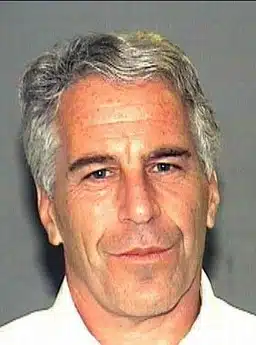
Source: Palm Beach County Sheriff's Department

Source: United States Federal Government

Source: Weill Cornell Medicine
Discovering hazing sexual abuse on a college campus can leave you feeling isolated, scared, and unsure of your next steps. If you or someone you know has endured this traumatic experience, knowing how to report it effectively is crucial for seeking justice, healing, and preventing future incidents. This comprehensive guide walks you through every step of the reporting process, from immediate actions to legal recourse, empowering survivors with the knowledge and resources needed to take control.
Hazing often masquerades as tradition in college settings, particularly among sports teams, fraternities, and sororities, but when it crosses into sexual abuse, it becomes a severe violation of personal rights and safety. Our experienced attorney, Mr. Thomas Giuffra, Esq., has successfully represented hazing victims and student-athletes in cases involving hazing death, emotional injuries, and other devastating consequences. With a deep commitment to survivors, he specializes in navigating the complexities of these cases to secure justice.
In this in-depth resource, we'll cover recognizing the signs of hazing and sexual abuse, immediate safety measures, on-campus reporting protocols, external authorities to contact, legal options under relevant laws, and long-term support strategies. Whether you're a student, parent, or advocate, this guide equips you with actionable insights drawn from real-world expertise.
Hazing sexual abuse refers to any unwanted sexual act or behavior imposed as part of initiation rituals or group activities on college campuses. This can include forced nudity, sexual touching, rape, or coercive sexual acts disguised as 'team building' or 'pledge challenges.' Unlike typical hazing, such as excessive drinking or physical beatings, sexual elements add layers of violation, trauma, and legal ramifications.
College environments foster these incidents due to power imbalances between upperclassmen and newcomers, peer pressure, and institutional tolerance of 'traditions.' Victims often suffer profound psychological impacts, including PTSD, depression, anxiety, and trust issues that persist long after graduation. Mr. Giuffra's practice focuses on these very cases, helping survivors hold accountable not just perpetrators but also negligent institutions.
Recognizing hazing and sexual abuse early is vital. Common red flags include secrecy around events, pressure to participate in private 'rituals,' physical evidence of assault, or sudden behavioral changes in victims like withdrawal or substance abuse. If these signs appear, intervention is essential to stop the cycle.
Your safety comes first. If you're in immediate danger or have just experienced an assault, prioritize these actions:
These steps lay the foundation for effective reporting and recovery. Delaying them can complicate evidence collection, but it's never too late to start the process.
Most colleges have structured protocols for handling hazing and sexual abuse reports. Start with the designated Title IX coordinator, whose role is to investigate sex-based discrimination, including sexual violence. This office ensures compliance with federal laws mandating prompt, equitable responses.
To report:
Colleges must provide interim measures, such as counseling, housing changes, or academic accommodations, during the process. However, institutions sometimes minimize reports to protect their reputation, which is why external reporting is often necessary. Mr. Giuffra has seen numerous cases in which campus mishandling led to further harm, underscoring the need for legal oversight.
For more on specialized legal support in hazing sexual abuse lawyer services for college victims, explore dedicated resources tailored to these complex situations.
If the campus response feels inadequate or the abuse constitutes a crime like rape or assault, escalate to the police. Sexual abuse is criminal, regardless of consent claims under hazing pretexts.
Key external contacts include:
Hotlines like RAINN (Rape, Abuse & Incest National Network) offer 24/7 confidential guidance at 1-800-656-HOPE. They connect you to local services without obligating a police report.
Timing matters: Statutes of limitations vary, but many jurisdictions have extended windows for sexual abuse, especially involving minors or institutional cover-ups.
Survivors have robust legal avenues. Civil lawsuits can target individuals, organizations, or colleges for negligence, failure to supervise, or cover-ups. Successful claims often yield compensation for medical bills, therapy, lost wages, and pain and suffering.
Relevant frameworks include:
Mr. Thomas Giuffra, Esq., of The Abuse Lawyer NY top sexual abuse experts, brings proven success in hazing cases. His representation has secured justice for victims facing emotional injuries and worse, demonstrating authoritative handling of these matters.
Consulting an attorney early preserves evidence and meets deadlines. Many work on contingency, meaning no upfront fees.
Healing extends beyond reporting. Access:
Long-term, therapy modalities like EMDR or CBT address PTSD. Building a support network rebuilds confidence.
Reporting one case can spark change. Advocate for:
Institutions must prioritize safety over tradition. For insights into clergy-related abuses or other patterns, see clergy sexual abuse legal support options.
If you've experienced hazing or sexual abuse, your first priority is ensuring your safety and preserving evidence for potential reporting or legal action. Head to a hospital emergency room for a sexual assault forensic exam (often called a 'rape kit'), which documents injuries, collects DNA, and provides preventive medications like Plan B or PEP for HIV. Do not shower, eat, drink, or change clothes beforehand to maintain evidence integrity. Simultaneously, confide in a trusted friend or family member for emotional support. Document every detail: dates, times, locations, descriptions of perpetrators and witnesses, and any communications like texts or social media posts. Avoid confronting the abusers, as this could escalate risks or compromise evidence. Contact a 24/7 hotline such as RAINN for confidential guidance on next steps. These actions not only protect your health but also strengthen any future Title IX complaint or police report. Even if you feel ashamed or pressured to stay silent due to group loyalty, know that professional help is available without judgment, and taking these steps empowers you toward justice and recovery.
The primary contact on most college campuses is the Title IX coordinator, responsible for handling all reports of sexual harassment, assault, and abuse, including hazing-related incidents. Every institution receiving federal funding must designate this office, which is easily found on its website under 'Title IX' or 'Equity and Compliance.' You can report verbally, in writing, or anonymously initially. They are obligated to provide supportive measures, such as counseling referrals, no-contact orders, and academic adjustments, while investigating. If uncomfortable with campus channels, parallel reports to campus police or local law enforcement are advisable, as criminal acts demand police involvement. Parents or guardians can also file on behalf of minors. Mr. Giuffra notes that early, multi-channel reporting prevents institutional stonewalling and preserves options for civil suits. Expect a written notice outlining rights and timelines upon filing. This structured process ensures fairness, though outcomes vary; dissatisfaction may warrant filing an OCR complaint.
Yes, many reporting mechanisms allow anonymity, particularly initial hotlines and some campus forms, but full anonymity limits the depth of investigation, since details are needed for action. Title IX encourages but doesn't require identification, and it offers confidential advisors who maintain privacy. Police reports typically demand identity for criminal proceedings, though some states permit Jane Doe filings. Weigh pros and cons: anonymity protects from retaliation but may delay resolution. Legal consultations with attorneys like Mr. Giuffra are fully confidential under the attorney-client privilege, allowing strategy discussions without commitment. Survivor advocates recommend starting anonymously via national lines to build confidence before formal steps. Institutions must protect reporters from retaliation, with remedies enforceable through lawsuits. Ultimately, anonymity is a tool for control, helping you proceed at your pace while institutions address patterns even without named victims.
Strong evidence bolsters reports, but none is strictly required to start—your testimony is credible evidence. Ideal elements include medical reports from forensic exams, photos of injuries or scenes, witness statements, digital communications (texts, emails, social posts), videos, or clothing with biological traces. Campus surveillance footage or event logs help contextualize. Contemporaneous notes detailing the incident sequence are powerful. In hazing cases, fraternity records or team rosters identify participants. Even without physical proof, patterns from multiple reports trigger investigations. Mr. Giuffra emphasizes preserving all originals, creating backups, and maintaining the chain of custody for items. Title IX uses a preponderance of evidence standard (more likely than not), lower than the criminal standard of 'beyond a reasonable doubt.' Collect methodically without tampering, and consult experts early to avoid pitfalls. Remember, delays weaken biological evidence, so act promptly.
Deadlines vary by jurisdiction and claim type, but many places extend limits for sexual abuse. Criminal statutes often range 5-20 years or no limit for rape; civil claims like Title IX have 1-3 years from discovery. Adult Survivors Act windows temporarily revive old cases. Colleges face ongoing Title IX duties regardless of the time passed. Consult an attorney immediately, as tolling provisions (pauses for minors or incapacity) apply. Mr. Giuffra has successfully leveraged these extensions. Track dates meticulously and file preservatively if unsure. Federal OCR complaints have 180-day limits. Proactivity prevents barred claims, ensuring access to compensation and accountability.
Yes, under Title IX, colleges must promptly investigate credible reports of sexual abuse, including hazing variants, and provide equitable grievance processes. This includes notice to parties, evidence gathering, live hearings (in some policies), and appeals. Interim remedies prevent harm during probes. Failure invites OCR enforcement or lawsuits. However, informal resolutions, such as mediation, may be offered if consensual. Hazing policies often mandate parallel reviews. If stalled, escalate externally. Mr. Giuffra advises monitoring compliance to avoid cover-ups.
Absolutely, civil suits yield damages for medical costs, therapy, lost education/earnings, and emotional distress. Punitive awards punish egregious conduct. Settlements often reach six figures. Title IX enables institutional liability for negligence. Contingency attorneys minimize risk. Mr. Giuffra's track record includes victories against tough defendants.
File OCR complaints, sue for Title IX violations, or pursue state torts. Document all interactions. External police ensure criminal accountability. Attorneys amplify pressure.
Yes, RAINN (1-800-656-HOPE), National Sexual Assault Hotline, and campus crisis lines offer 24/7 confidential help, referrals, and advocacy tailored to college contexts.
Promote bystander training, advocate policy reforms, report early, and join anti-hazing groups. Institutions must enforce zero tolerance via education and audits.
In summary, reporting college hazing sexual abuse demands courage but unlocks justice and change. With structured steps and expert support like that from The Abuse Lawyer NY, survivors reclaim power. Take the first step toward healing today.
Thomas Giuffra, Esq. - The Abuse Lawyer NY
551 5th Avenue, 29th Floor,
New York, NY 10017
(646) 413-6394
Hours Of Operation
Monday: 24 Hours
Tuesday: 24 Hours
Wednesday: 24 Hours
Thursday: 24 Hours
Friday: 24 Hours
Saturday: 24 Hours
Sunday: 24 Hours
Cases We Handle
Sexual abuse lawyer
Child abuse lawyer
Clergy abuse lawyer
Private boarding school abuse lawyer
Doctor abuse lawyer
Daycare abuse lawyer
Hazing and Bullying abuse lawyer
Massage spa abuse lawyer