Schedule A Call Now
A New York Sexual Abuse Lawyer For Survivors
Over 50 Years Experience \\ Get Help 24/7
 SCHEDULE A CALL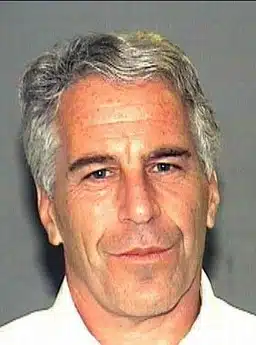
Source: Palm Beach County Sheriff's Department

Source: United States Federal Government

Source: Weill Cornell Medicine
When someone asks whether an experience qualifies as a Title IX violation, the real question is often simpler and more important: did a school, college, or other education program fail to respond fairly to sex-based harassment, assault, or discrimination after you reported it or after it should have known? If the answer may be yes, you may have a path forward. For survivors, students, parents, and employees in educational settings, the process can feel confusing, intimidating, and emotional. Title IX is supposed to protect people from sex discrimination in education, but many institutions do not explain rights clearly, do not investigate promptly, or do not prevent further harm. That is where experienced legal guidance can matter.
A Title IX lawyer focuses on whether an institution followed its responsibilities under federal law, whether the facts support a complaint or claim, and what options may exist to seek protection, accountability, and remedies. On the website of The Abuse Lawyer NY, the firm presents itself as a survivor-focused practice representing people harmed by sexual abuse and sex-based misconduct, including cases involving educational settings. The firm also highlights legal help for survivors seeking justice under Title IX and offers guidance for people who are unsure whether what happened to them rises to the level of a violation. That matters, because many survivors do not immediately realize that a pattern of unwanted comments, coercion, retaliation, or a school’s failure to act can be legally significant even when no one used the word “assault.”
This article explains whether your experience may qualify as a Title IX violation, which facts usually matter, how a Title IX attorney can help, and why survivors should not dismiss an experience simply because it was minimized, normalized, or handled poorly by the institution. It also walks through common warning signs, institutional mistakes, documentation tips, and the types of outcomes a legal case may pursue. If you are asking whether your situation is serious enough to seek help, the best approach is to focus on the facts, the impact, and the institution’s response rather than on whether your story fits a narrow label.
Title IX is a federal civil rights law that prohibits sex discrimination in education programs and activities that receive federal funding. In practical terms, that can include schools, colleges, universities, and sometimes other educational programs. A Title IX issue may arise when a person experiences sexual harassment, sexual assault, sex-based discrimination, dating violence, stalking, or retaliation connected to reporting or participating in a process about misconduct. The law is not limited to one kind of harm. It is intended to protect equal access to education.
One of the most important things to understand is that Title IX is not just about punishment. It is also about whether the educational environment became hostile, unequal, or unsafe because of sex-based misconduct. A student does not need to wait until the worst possible outcome happens. If harassment interfered with school participation, caused emotional distress, affected grades, led to withdrawal from classes, or forced changes in routine, those effects may be relevant. In a title ix sexual abuse lawyer ny consultation, a lawyer will usually look at the conduct itself, the school’s response, the timeline of events, and the harm caused.
Another key point is that institutions often have their own policies and reporting systems. However, a school policy is not the same thing as legal compliance. A school may say it “handled” a matter while still failing to provide prompt support, impartial investigation, protective measures, or a response free from retaliation. That distinction is one reason legal review can be so valuable.
There is no single test that fits every case, but certain signs often point toward a possible Title IX matter. First, the conduct involved sex-based behavior. That can include unwanted sexual touching, coercion, persistent sexual comments, requests for sexual acts, sharing intimate images without consent, sexual threats, or harassment tied to gender. Second, the conduct happened in an educational setting or affected access to an educational program. Third, the institution knew or reasonably should have known about the problem and did not respond appropriately, or the response itself made things worse.
Many people wonder whether they need “proof” before calling a lawyer. The answer is no, not in the sense of needing a perfect file of evidence. Survivors often have memories, messages, witness names, class schedules, screenshots, emails, counseling notes, or even a timeline of how the harm changed daily life. A lawyer’s job is to evaluate that information and identify what matters legally. Even if there is limited physical evidence, a case may still be viable depending on the facts and the credibility of the available documentation.
Another sign is retaliation. Sometimes the original conduct is already serious enough, but the institution’s response creates additional harm. Retaliation can include threats, lowering opportunities, exclusion from activities, pressure to stay silent, or adverse treatment after reporting. If you reported and then were punished, isolated, or treated as though you were the problem, that may strengthen a Title IX concern.
It is also important to notice whether your ability to learn was disrupted. Title IX is deeply tied to educational access. Missing classes, avoiding campus spaces, dropping a course, changing majors, losing housing, or withdrawing from a program because of harassment or assault can all be meaningful facts. The law is not only about whether an act occurred; it is also about whether your equal access was denied or seriously impaired.
Some people assume Title IX only applies to the most obvious assault cases. In reality, many situations can raise issues. Persistent sexual comments from another student, a professor, coach, or staff member may become harassment if they create a hostile environment. Pressure from someone in authority can become coercive when the person uses power, grades, housing, recommendations, playing time, or opportunities as leverage. A relationship that appears “consensual” on the surface may still raise concerns if there was a clear power imbalance or if consent was not freely given.
Sexual assault is often the clearest example, but it is not the only one. In some cases, a pattern of conduct matters more than one isolated event. A single unwanted incident may be enough when it is severe. A repeated pattern of smaller acts can also be serious when it adds up to a hostile environment. Title IX lawyers look for context, frequency, severity, and impact. They also examine whether the institution took steps to stop the conduct, prevent recurrence, and remedy the effects.
Education-related retaliation is another major category. If you reported misconduct and then experienced threats, academic consequences, exclusion, or other adverse treatment, the retaliation may itself be actionable. The same is true when you sought help and were discouraged from filing, told to keep quiet, or made to feel responsible for the harm you suffered. Some schools also mishandle confidential reporting, exposing survivors to further harm. These situations often deserve legal review even if the institution insists it followed procedure.
A related issue is deliberate indifference, which means the institution knew about possible misconduct and responded unreasonably, too slowly, or not at all. That can include failing to separate the people involved, failing to issue support measures, dragging out the process, or ignoring repeated concerns. A poor response can be just as important as the original behavior.
People often delay seeking help because they are unsure whether the behavior “counts.” That uncertainty is common. Survivors may blame themselves, minimize the incident, or fear they will not be believed. Some were told the behavior was a misunderstanding or a personal conflict rather than discrimination or harassment. Others never received a clear explanation of their rights. Educational institutions sometimes rely on complexity and silence. The more confusing the process feels, the less likely a person is to pursue accountability.
Another reason survivors hesitate is the fear of backlash. Reporting can feel risky. People may worry about academic consequences, social isolation, or being labeled difficult. In some cases, the person harmed is still dependent on the institution for housing, tuition, employment, or training. That creates a real power imbalance and can make it hard to know what steps are safe. A good title ix lawyer understands these concerns and can help evaluate options in a way that prioritizes safety, privacy, and informed choice.
There is also a common misconception that if a school conducts any kind of investigation, the matter is closed. That is not necessarily true. The quality of the process matters. A case may still exist if the investigation was biased, incomplete, rushed, intimidating, or ineffective. Legal review can reveal whether the school’s process complied with its duties and whether the survivor was denied meaningful support or fair treatment.
Finally, people often think they need a criminal case first. They do not. Title IX is a civil rights framework, and an educational institution’s responsibilities can be evaluated independently of police involvement. A person may choose to report to law enforcement, pursue a school complaint, do both, or neither. The available legal options depend on the facts, not on one mandatory path.
When an attorney reviews a possible Title IX violation, the first step is usually a factual timeline. The lawyer will want to know what happened, when it happened, who was involved, what was reported, how the institution responded, and what changed afterward. The timeline helps identify delays, contradictions, missed opportunities, and whether support was provided. Lawyers also look for evidence of notice. If the school knew of the problem through a report, a faculty member, an administrator, a counselor, or another employee, that can be significant.
Documentation matters, but not every strong case starts with perfect evidence. Emails, text messages, screenshots, photos, schedule changes, attendance records, medical or counseling records, and witness statements can all help. Even notes made by the survivor shortly after the event can be useful. A Title IX sexual abuse lawyer ny will often help organize this material into a coherent record that shows both the misconduct and its consequences.
The lawyer will also consider whether support measures were requested and denied, or whether the measures provided were ineffective. Examples may include class changes, no-contact directives, schedule adjustments, extensions, housing accommodations, or safety protections. If the institution failed to offer meaningful support, that can be important evidence of an inadequate response.
Another issue is whether the institution treated the parties fairly. That does not mean both sides must always be treated identically. It means the process should be respectful, impartial, and consistent with applicable standards. A lawyer may review whether the complainant was heard, whether witnesses were contacted, whether the decision was based on evidence, and whether the institution protected against retaliation.
Not every upsetting encounter becomes a Title IX matter. The law focuses on sex-based discrimination, harassment, assault, or retaliation in an education context. A conflict that has nothing to do with sex or gender may not fall under Title IX, even if it was serious or unfair. Likewise, a single rude comment may not be enough unless it was severe, pervasive, and affected access to education. That said, people should not assume they have no claim simply because their experience was not physically violent. Title IX is broader than many people realize.
Three questions can help separate a bad experience from a possible legal claim. First, was the conduct sex-based or linked to gender, sexual behavior, or reporting misconduct? Second, did it happen in or affect an educational setting or program? Third, did the institution fail to respond appropriately, or did the conduct interfere with education? If the answer to these questions is yes or possibly yes, you should consider speaking with counsel.
It is also wise to consider cumulative harm. A person may tolerate behavior for weeks or months because each incident seems small on its own. But over time, the total effect can be severe. Title IX analysis often examines patterns, not just a single event in isolation. When a person’s education changes because of fear, shame, exhaustion, or institutional neglect, that can be a strong sign that the issue is legally significant.
Documentation is not just about proving a claim. It helps tell the story clearly and accurately. Survivors often second-guess their memory after a traumatic event. Having text messages, emails, screenshots, or a timeline can restore confidence and help a lawyer evaluate the strength of the case. Documentation can also show how the institution responded. Sometimes the most important evidence is the school’s own written words.
If possible, save anything connected to the incident or its aftermath. Keep copies of complaints, responses, meeting notes, reports, and accommodation requests. Write down the names and roles of people involved. Note dates, times, and locations. If you told someone verbally, document who that person was and what you remember saying. If your schedule changed, your grades slipped, or you stopped attending certain spaces because of fear or distress, record that too. Those effects matter.
It is also important to be careful with privacy. Use a secure method for storing evidence. Do not edit screenshots in a way that changes content. Preserve original files when possible. If you are worried about access by another person, a lawyer can suggest safer ways to keep records. The goal is to protect both the evidence and your well-being.
The firm’s public messaging emphasizes support for survivors, experience with sexual abuse matters, and advocacy for people harmed in educational settings. The website states that the firm handles Title IX sexual abuse cases and that it is committed to helping victims understand their rights. It also presents a survivor-centered tone, which is important for people who may be unsure, fearful, or overwhelmed. That kind of approach can make it easier for a person to ask questions without feeling judged.
The firm also presents broader experience in sexual abuse representation, including cases involving child victims and other forms of sexual violence. For someone trying to figure out whether an experience qualifies as a Title IX matter, that broader background can matter because many questions overlap: notice, trauma, documentation, institutional response, and accountability. A lawyer with experience in abuse cases may be better prepared to spot institutional failures that others overlook.
On the website, the firm also offers resources about reporting sexual abuse and discussing legal options. For many survivors, that educational support is valuable even before deciding to file anything. A good legal team should help people understand possibilities, not pressure them into a single choice. The right next step may be a report, a demand for accommodations, a preservation letter, or simply a confidential consultation to review the facts.
If you are considering whether to pursue help, it can be useful to start with a conversation rather than a commitment. You do not need to know the legal answer before you ask the question. In many cases, the answer becomes clearer once the facts are organized and the institution’s obligations are explained in plain language.
Every case is different, but possible outcomes can include institutional changes, no-contact measures, accommodations, restorative support, policy review, or financial compensation, depending on the situation. The specific goal depends on what happened and what the survivor needs now. Some people want the conduct stopped and the record corrected. Others want accountability for emotional, academic, or financial harm. Some want both. A legal strategy should reflect those goals rather than forcing the case into a one-size-fits-all model.
In evaluating remedies, a lawyer may consider whether the survivor lost educational opportunities, tuition, housing, scholarships, or time because of the misconduct or the institution’s failure to respond. The lawyer may also assess emotional distress, therapy needs, and long-term effects on education and career paths. Title IX cases can be about more than compensation. They can also be about reclaiming dignity and ensuring the institution does not repeat the same failures with others.
For many people, the most immediate benefit of speaking with counsel is clarity. Even if the case does not move forward as the person expected, a clear explanation of rights and options can reduce fear and uncertainty. That clarity can be an important form of support in itself.
If you plan to speak with a Title IX lawyer, gather whatever you can without putting yourself at risk. Bring a brief timeline, names of the people involved, copies of the messages, and any school documents you have. If you do not have documents, that is okay. A timeline and a clear account of what happened are still useful. You can also write down your questions in advance. For example, ask whether the facts may qualify as a Title IX violation, what deadlines may apply, whether the school had notice, and what remedies might be available.
Be honest about uncertainty. It is fine not to remember every detail. Trauma can affect memory, and a lawyer should understand that. What matters is giving the clearest account possible and being open about what is documented versus what is remembered. A thoughtful consultation should feel like a fact-finding conversation, not an interrogation.
If you are worried about privacy, ask how communications are handled and what can be kept confidential. You should understand who may see your information and what happens next. Trust is essential in these matters. A survivor should never feel rushed into a decision before understanding the process.
The first sign is usually that the conduct was sex-based and affected your access to education. That may include sexual harassment, sexual assault, coercion, stalking, or retaliation after you reported misconduct. If the behavior made classes, activities, housing, or campus life feel unsafe or impossible, it may be more than a personal conflict. Title IX focuses on whether your educational environment became unequal or hostile because of sex-based conduct. Even if you are unsure whether the facts meet the legal standard, a lawyer can review the timeline, any messages or reports, and the institution’s response to see whether the situation may qualify.
No. Physical evidence can help, but it is not required for an initial consultation or even for every valid case. Many survivors have text messages, emails, screenshots, schedule records, witness names, class changes, or counseling notes that support their account. In some situations, the school’s own records are the strongest evidence. A lawyer can help identify what documentation exists and what should be preserved. The absence of one type of proof does not automatically mean there is no case. The full context, the institution’s response, and the credibility of the overall record all matter.
Yes, verbal harassment can count if it is sex-based and serious enough to affect educational access or create a hostile environment. Repeated sexual comments, threats, obscene messages, gender-based insults, and unwanted sexual attention can all be relevant. The law does not require physical touching in every situation. What matters is the nature, severity, frequency, and impact of the conduct. If the verbal behavior caused you to avoid class, stop participating, or fear retaliation, those effects are important. A Title IX lawyer can help evaluate whether the verbal conduct rises to the level of a legal violation.
A school’s claim that it investigated does not end the analysis. The quality of the response matters. An investigation can still be flawed if it was delayed, biased, incomplete, poorly documented, or failed to address safety concerns. A school may also say it looked into the matter while failing to provide meaningful support or prevent retaliation. A Title IX lawyer will look at whether the institution acted promptly, fairly, and reasonably once it knew about the issue. If the process did not meet legal or policy requirements, you may still have options even after a school investigation.
Yes. Retaliation is one of the most important issues in Title IX cases. If you reported misconduct and then experienced threats, exclusion, punishment, pressure to withdraw, or other adverse treatment, that conduct may be independently actionable. Retaliation can also be subtle, such as being ignored, treated differently, or denied support after making a complaint. The key question is whether the adverse treatment was connected to your report or participation in the process. Documentation of timing, communications, and changes in treatment can be very helpful when a lawyer reviews the case.
An institution may be considered to have notice if a responsible employee, administrator, or other appropriate person was informed of the conduct, or if the problem was so obvious that the school reasonably should have known. You do not always need a formal written complaint. Sometimes, a verbal report, a meeting, or repeated obvious behavior can be enough to put the institution on notice. A lawyer will examine who was told, what was said, and whether that person had a duty to report or act. Notice is important because it often determines whether the institution had a legal obligation to respond.
Bring whatever you have, even if it is incomplete. A rough timeline, names of people involved, screenshots, emails, and notes about what happened can be enough to start. If you do not have documents, write down your memory as soon as possible while the details are still fresh. Include dates, locations, witnesses, and the school response if there was one. A consultation is still worthwhile because the attorney can help identify what evidence may exist and how to preserve it. Many cases begin with fragments rather than a full file.
Title IX most commonly comes up in student cases, but it can also affect employees or other participants in educational programs, depending on the facts and the setting. The important issue is whether the conduct occurred in connection with an education program or activity covered by Title IX. If a professor, staff member, coach, or another person in the educational environment engaged in sex-based misconduct, that may create legal issues beyond simple workplace concerns. A lawyer can explain whether your status and the setting make Title IX applicable in your situation.
Many survivors are unsure at first, especially if the conduct was minimized by others or happened over time. Severity is only one part of the analysis. A pattern of repeated behavior can be serious, even if each act seems small on its own. The impact on your education, safety, emotional health, and ability to participate also matters. Do not dismiss your experience just because it was not the worst thing you can imagine. If it affected your education or made you feel unsafe, it is worth discussing with counsel. A lawyer can help determine whether the facts meet the legal threshold.
Yes. You do not have to file a school complaint before asking questions or seeking legal advice. In some situations, speaking with a lawyer before reporting can help you decide the safest and most effective next step. The lawyer may discuss evidence preservation, possible deadlines, support options, and whether a report is advisable. Some people choose to report later, some choose not to, and some pursue multiple paths. What matters is making an informed decision based on your circumstances, not pressure from others.
Start with a private consultation and focus on safety. You do not need to take every step at once. A lawyer can help you understand your options without forcing you to move faster than you are ready. In the meantime, preserve any messages or records, document the timeline, and avoid deleting evidence. If you are still around the person involved, consider immediate safety and support needs. Fear is a normal response, and it should be treated as part of the legal and practical analysis, not as a reason to stay silent forever.
If you are trying to decide whether your experience qualifies as a Title IX violation, the most important thing is not to minimize what happened before you have it reviewed. Sex-based harassment, assault, coercion, discrimination, and retaliation can all qualify when they interfere with education or when an institution fails to respond properly. You do not need a perfect memory, a stack of documents, or certainty about the legal label to start the conversation. What you need is a clear account of what happened and a willingness to ask whether the institution complied with the law.
For survivors and families, that clarity can be life-changing. A knowledgeable lawyer can help separate a painful but non-actionable conflict from a real Title IX problem, identify missing evidence, evaluate the school’s response, and explain possible next steps in plain language. If you are still unsure, consider reviewing the firm’s broader sexual abuse resources, the firm’s Title IX representation for sexual abuse survivors and school claims, and the firm’s step-by-step guide for reporting sexual abuse and assault. The goal is not to rush you. The goal is to help you understand whether your experience deserves legal attention and what you can do next with more confidence.
Thomas Giuffra, Esq. - The Abuse Lawyer NY
551 5th Avenue, 29th Floor,
New York, NY 10017
(646) 413-6394
Hours Of Operation
Monday: 24 Hours
Tuesday: 24 Hours
Wednesday: 24 Hours
Thursday: 24 Hours
Friday: 24 Hours
Saturday: 24 Hours
Sunday: 24 Hours
Cases We Handle
Sexual abuse lawyer
Child abuse lawyer
Clergy abuse lawyer
Private boarding school abuse lawyer
Doctor abuse lawyer
Daycare abuse lawyer
Hazing and Bullying abuse lawyer
Massage spa abuse lawyer