Schedule A Call Now
A New York Sexual Abuse Lawyer For Survivors
Over 50 Years Experience \\ Get Help 24/7
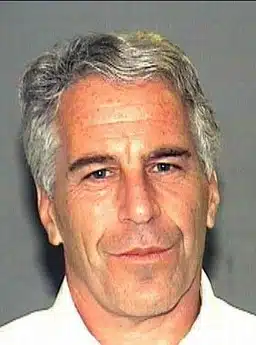
Source: Palm Beach County Sheriff's Department

Source: United States Federal Government

Source: Weill Cornell Medicine
Understanding whether you have a valid sexual abuse claim begins with one central point: a credible claim does not require you to have every detail perfectly organized before you seek help. It requires a real experience of abuse, a connection between that abuse and a legally recognized wrong, and enough information to show who may be responsible. The purpose of a civil claim is to seek accountability and compensation, not to force survivors to relive every moment before they are ready. The Abuse Lawyer NY presents itself as an informational resource created by Thomas Giuffra, Esq., and its site says the firm focuses on representing survivors of sexual abuse and other forms of violence with experienced legal support. The Abuse Lawyer NY legal help for sexual abuse survivors and claims.
If you are trying to determine whether your situation qualifies, the most useful first step is to separate the emotional question from the legal one. Emotionally, many survivors doubt themselves, minimize what happened, or wonder whether what they experienced "counts." Legally, the question is whether conduct occurred that can support a claim, whether there is a potential defendant, and whether the available facts can support a civil case. The firm's sexual abuse pages describe representation for survivors of sexual abuse, child abuse, clergy abuse, boarding school abuse, doctor abuse, daycare abuse, hazing and bullying abuse, and massage spa abuse, which shows that valid claims can arise in many settings rather than only in the most obvious ones. Sexual abuse lawsuit guidance and survivor claim support.
A valid claim usually starts with conduct that was sexual in nature and nonconsensual, coercive, exploitative, or otherwise abusive. In many cases, survivors know immediately that a boundary was crossed. In others, the abuse may have been disguised as discipline, treatment, mentoring, spiritual guidance, care, or authority. A claim can still be valid when the abuser held power over the survivor, used manipulation, threatened consequences, or took advantage of age, disability, intoxication, dependency, fear, or trust. Civil law often focuses not only on the assault itself, but also on whether an institution failed to prevent foreseeable harm, ignored complaints, covered up misconduct, or retained a dangerous person after warning signs appeared.
The strongest indicator that you may have a valid claim is that the experience caused real harm. Harm does not have to be visible to outsiders. It can include physical injury, pain, medical treatment, counseling, emotional distress, panic, sleep disruption, depression, difficulty with relationships, lost employment opportunities, academic problems, withdrawal, addiction, or long-term changes in daily life. Courts and insurers often look for evidence of impact, but survivors do not need to prove they have suffered in a stereotyped way. A valid claim can exist even if the harm has taken years to surface, because trauma often affects memory, disclosure, and the ability to act quickly.
Another major factor is identifying the responsible person or organization. A claim may be directed at the individual who committed the abuse, but it may also involve employers, schools, organizations, medical providers, religious institutions, youth programs, or property owners if they failed in a duty to protect. The firm's site indicates it handles a range of abuse-related matters and emphasizes legal representation for survivors seeking accountability. That matters because many viable cases are not just about the direct abuser; they are about the systems that allowed the abuse to happen or continue. When an institution knew or should have known about risk and did nothing, that can significantly strengthen a civil claim.
Timing matters too, but not always in the way survivors expect. People often assume that if abuse happened years ago, they have no case. That is not always true. Civil claims can be affected by statutes of limitations, discovery rules, delayed-reporting principles, childhood-abuse rules, and other timing doctrines that vary by claim type. The key point is that a delay does not automatically make a claim invalid. Survivors frequently need time before they can speak, and trauma can delay recognition of the legal significance of what happened. A case review can help determine whether any deadline applies and whether an exception or extended filing window may exist.
Evidence can make a case easier to prove, but the absence of physical evidence does not automatically mean there is no valid claim. Many sexual abuse cases rely on a combination of survivor testimony, witness statements, contemporaneous communications, medical records, counseling notes, institutional records, prior complaints, pattern evidence, and admissions made by the accused. A case may also be supported by behavioral evidence, such as abrupt changes in grades, attendance, work performance, or mental health following the abuse. If you have text messages, emails, diary entries, photographs, social media messages, or records of reporting the conduct to someone, those may also become important. The best practice is to preserve everything and avoid deleting or altering anything that might later matter.
If you are asking yourself whether the abuse was "bad enough" to count, that is often a sign that you should speak with a lawyer. Survivors commonly compare their experience to others and conclude it was not severe enough, not recent enough, or not documented enough. Those assumptions are often wrong. A valid claim does not depend on the abuse being the worst imaginable version of sexual violence. It depends on the law and facts. For example, coercion, grooming, repeated boundary violations, exposure, unwanted touching, exploitation of dependency, and abuse by a person in authority may all support a claim even when the survivor did not physically resist or immediately report. A person's freeze response, dissociation, or fear does not invalidate a claim; in many cases it helps explain why the abuse was able to continue.
When evaluating whether your claim is valid, it helps to think in four layers: what happened, who did it, who may share responsibility, and what harm resulted. If you can answer those four questions in a basic way, you likely have enough to request a legal review. You do not need polished language. A rough timeline, the names or roles of people involved, where the abuse occurred, and any known witnesses can be enough to begin. The firm's site describes compassionate and robust legal representation and notes that its guidance is intended for survivors who need confidential help and support. For someone uncertain about next steps, that kind of early case screening can be the difference between staying silent and learning whether legal remedies exist.
In practical terms, a valid sexual abuse claim often becomes clearer when you document your memories as soon as you can. Write down dates, locations, the setting, who was present, what was said, how often the abuse happened, and any injuries or emotional consequences. Do not force details you do not remember. Accuracy matters more than completeness. If the abuse occurred over a long period, try to identify milestones, school years, jobs, relationships, moves, medical visits, or life events that can anchor the timeline. Those details can help a lawyer analyze liability and deadlines. Even if you are unsure whether the conduct was criminal, you may still have a civil claim if the behavior violated legal duties and caused harm.
One of the clearest signs that a claim may be valid is that someone in authority ignored warning signs. Institutions often face liability when they failed to supervise, investigate, report, remove, or discipline a known risk. If a complaint was made and nothing happened, if the abuser had a history of misconduct, if there were prior incidents, or if the organization put reputation ahead of safety, those facts can strengthen a case. Survivors sometimes worry that, because the organization looked reputable, no claim exists. In reality, large and trusted institutions can still be legally responsible when they fail to protect people in their care.
If you are still unsure, the most practical question is not "Was it perfect proof?" but "Do I have enough to talk to a lawyer and have the facts evaluated?" In many cases, the answer is yes. A knowledgeable attorney can identify potential claims, analyze timing, preserve evidence, and determine whether the facts support a civil lawsuit, a settlement demand, or another legal strategy. The Abuse Lawyer NY website also features a dedicated contact page with an invitation to confidential help, reinforcing the importance of reaching out early rather than deciding alone that a case is impossible. Confidential sexual abuse case help and legal intake support.
When a survivor reaches the point of asking about a claim, they usually want clarity, not jargon. That clarity comes from a structured review, not from self-blame. If the conduct was sexual, unwanted, coercive, or exploitative; if it caused harm; and if there is a person or institution that may be responsible, there is a meaningful possibility of a valid claim. The next step is a careful legal assessment based on facts, records, and applicable law. That assessment can reveal whether you have a civil case, what evidence matters most, what deadlines may apply, and what legal options remain available.
A valid claim generally requires three elements: wrongdoing, responsibility, and damages. Wrongdoing means the conduct was abusive or unlawful. Responsibility means a person, business, organization, or institution can be tied to that conduct or to a failure to prevent it. Damages means there was harm. In civil practice, you do not have to prove every element beyond all doubt at the outset. You need enough facts to support a plausible legal claim and a path to evidence. That is why early screening is so important. Survivors often have more usable evidence than they realize because institutions create records, and people leave traces through messages, calendars, emails, and treatment notes.
It is also important to understand that civil claims are not limited to the moment of physical contact. Abuse cases can include grooming, intimidation, coercion, threats, emotional manipulation, exploitation of trust, and repeated boundary violations that culminate in sexual harm. A claim can also arise when a person in authority uses access, secrecy, or dependency to create a pattern of abuse. In those situations, the legal issue is not just what happened in one moment, but how a relationship of power was abused over time. That broader view is often crucial for survivors whose experience does not fit a narrow public stereotype of abuse.
Many survivors also worry that consent language will defeat their claim. Consent, however, is not meaningful when it is obtained through coercion, manipulation, fear, incapacity, age-based power imbalance, or authority misuse. If the survivor was a minor, incapacitated, heavily controlled, or dependent on the abuser, the law may treat apparent agreement very differently from true consent. That is why facts about age, role, setting, and relationship matter so much. An experienced sexual abuse lawyer can identify whether the law recognizes the conduct as nonconsensual or abusive even if the survivor felt trapped or unable to say no.
Some of the most common signs include a clear pattern of repeated conduct, an abuser who had power over you, an institution that failed to act, and evidence that the conduct changed your life in measurable ways. Other signs include prior complaints, witnesses who noticed troubling behavior, recorded admissions, or messages that show the abuser’s control, secrecy, or guilt. If you told a friend, parent, therapist, clergy member, teacher, coworker, or supervisor at the time or later, that disclosure can be important. Even an incomplete disclosure may help corroborate your memory and timeline.
Another sign is that the abuse fits a broader pattern involving similar conduct toward others. Pattern evidence can matter in institutional cases because it may show notice, negligence, or deliberate indifference. If an organization had a history of complaints, transfers, resignations, or hidden investigations, that history can become central to a claim. Even if you do not know the full pattern yet, a lawyer may be able to investigate and uncover it. Survivors should not assume they need to do that work alone before seeking representation.
The first step is to protect yourself emotionally and practically. Preserve messages, notes, screenshots, medical records, and any other relevant information. Write down your memory while it is fresh, but do not pressure yourself to create a perfect narrative. Avoid confronting the accused if it could put you at risk. Consider seeking support from a therapist or advocate if you are struggling with trauma symptoms. Then speak with a lawyer who understands sexual abuse cases and can explain your rights in plain language.
You should also be careful about public posts and informal conversations that could complicate a case. Survivors sometimes share details online while seeking support, but those posts can later be scrutinized. This does not mean you should remain silent; it means you should be strategic. A confidential consultation can help you decide what to preserve, what to avoid, and how to move forward without losing control of your story. A lawyer can also tell you whether there are deadlines that require immediate action, such as document preservation notices or filing windows.
When people ask how to know whether a claim is valid, the most honest answer is that certainty usually comes after review, not before. If the facts involve sexual misconduct, coercion, exploitation, abuse of power, institutional failure, and real harm, there may be a substantial claim worth pursuing. If you want to understand your legal options without pressure, the best next step is to talk with a qualified attorney in this area who can evaluate your situation confidentially and thoroughly.
Lawyers typically begin by listening to the survivor’s account and identifying the likely legal theories. They then look for evidence that can support those theories, including documents, witnesses, records, and timelines. They also examine whether the case may involve an individual abuser, an employer, a school, a religious institution, a healthcare provider, or some other entity that may share responsibility. From there, they analyze deadlines, jurisdictional issues, and the type of proof needed to move forward. That process is less about judging the survivor and more about matching facts to law.
A thorough review also considers damages. Damages can include medical treatment, therapy, lost income, educational harm, pain and suffering, and long-term emotional effects. In some cases, the legal review will uncover an opportunity to strengthen the claim through additional records or witnesses. In others, the review may show that a deadline or legal rule affects the case. Either way, the value of the review is clarity. Survivors deserve to know where they stand and what options remain, rather than guessing alone.
What happened may count as sexual abuse if the conduct was sexual, unwanted, coercive, exploitative, or performed through abuse of power. The law does not require the experience to look a certain way to an outsider. Many survivors are surprised to learn that grooming, manipulation, repeated boundary violations, or authority-based exploitation can support a claim even without dramatic physical resistance. The most useful question is whether the conduct crossed a legal boundary and caused harm. If you are unsure, a confidential review can help you understand whether the facts fit a civil claim.
No. Physical evidence can help, but many valid claims rely on testimony, messages, witnesses, records, and pattern evidence. Trauma cases often unfold in private, so it is common for there to be no forensic evidence. That does not make the claim invalid. A lawyer may use medical records, counseling notes, disclosures, emails, texts, or institutional documents to build the case. The absence of one kind of evidence is not the end of the analysis. What matters is whether enough reliable information exists to support the claim and justify further investigation.
Possibly, yes. Delay does not automatically eliminate a claim. Sexual abuse cases may be affected by limitation periods, discovery rules, and special rules that can extend or alter filing deadlines. These rules are highly fact-specific. Some survivors also take years to understand what happened or to feel safe enough to speak. Because timing can make or break a case, it is important to get a legal review as soon as possible. A lawyer can determine whether any deadline applies and whether an exception might preserve your rights.
You may still have a valid claim. Many survivors do not report immediately because of fear, shame, confusion, dependency, or trauma responses like freezing or dissociation. The law recognizes that silence does not necessarily mean consent or fabrication. In some cases, delayed reporting is consistent with how abuse affects survivors. A lawyer can help you document why reporting did not happen sooner and whether there were disclosures to friends, family, therapists, or others that support your account. Immediate reporting is helpful, but it is not always required for a civil claim.
Yes, if the organization failed to protect you or contributed to the abuse. Institutions may be liable for negligent hiring, supervision, retention, failure to investigate, failure to report, or cover-up behavior. This can matter in schools, care facilities, faith institutions, youth programs, workplaces, or medical settings. The question is whether the organization knew or should have known about the risk and failed to act reasonably. A claim against an institution may provide an important source of accountability and compensation, especially when the individual abuser has limited resources.
Harm can include physical injury, pain, anxiety, depression, panic attacks, sleep issues, relationship problems, work disruption, educational setbacks, substance use, and ongoing trauma symptoms. You do not need to show every possible consequence. Even if the effects are mostly emotional, they can still be legally significant. Many survivors also experience delayed harm, meaning the impact grows or becomes clearer later. A lawyer will often look for therapy records, medical treatment, school or work changes, and statements from people who noticed a difference in your functioning after the abuse.
Child sexual abuse claims are often evaluated differently because minors cannot meaningfully consent to many forms of sexual conduct and may be unable to protect themselves or report safely. The law also tends to recognize the power imbalance between a child and an adult more explicitly. Claims involving child abuse may include both the abuser and the institution that failed to supervise or intervene. If you were abused as a child, it is especially important to ask about timing rules, because some legal deadlines may be affected by your age at the time of the abuse. A lawyer can explain how those rules apply.
No. A good attorney should let you move at a pace that feels manageable. The initial goal is to understand the broad facts, identify possible defendants, and determine whether the case should be investigated further. You can share what you remember without filling every gap immediately. Many survivors remember more over time, especially when they see records or talk through events in a safe setting. A trauma-informed approach respects that memory may be fragmented. You should not feel forced to overexplain before you are ready.
An attorney looks at whether the facts support a legal theory, whether there is evidence to prove it, whether deadlines remain open, and whether there are identifiable defendants with responsibility. The lawyer will also consider the severity of the harm and the likelihood of obtaining evidence through records or witnesses. A strong case is one that can be supported with facts, not one that is perfect. Many valid claims begin with incomplete information and become stronger through investigation. That is why an early consultation can be so valuable.
Bring any timeline you have, names or roles of people involved, and anything that may help verify events, such as texts, emails, photos, medical records, counseling records, or notes you made for yourself. If you do not have documents, come anyway. Your memory is still important. It can also help to write down what outcome you want, whether that is accountability, compensation, confidentiality, or simply understanding your options. The more organized your information is, the easier it is for a lawyer to evaluate the claim, but organization is not required to start the conversation.
If you are trying to decide whether your experience rises to the level of a valid claim, the most important thing to remember is that you do not have to solve the legal question alone. A thoughtful case review can separate rumor from reality, identify what evidence matters, and show you whether the facts support action. If your experience involved abuse, coercion, exploitation, power imbalance, or institutional failure, it is worth speaking with a lawyer before assuming you have no case.
Thomas Giuffra, Esq. - The Abuse Lawyer NY
551 5th Avenue, 29th Floor,
New York, NY 10017
(646) 413-6394
Hours Of Operation
Monday: 24 Hours
Tuesday: 24 Hours
Wednesday: 24 Hours
Thursday: 24 Hours
Friday: 24 Hours
Saturday: 24 Hours
Sunday: 24 Hours
Cases We Handle
Sexual abuse lawyer
Child abuse lawyer
Clergy abuse lawyer
Private boarding school abuse lawyer
Doctor abuse lawyer
Daycare abuse lawyer
Hazing and Bullying abuse lawyer
Massage spa abuse lawyer