Schedule A Call Now
A New York Sexual Abuse Lawyer For Survivors
Over 50 Years Experience \\ Get Help 24/7
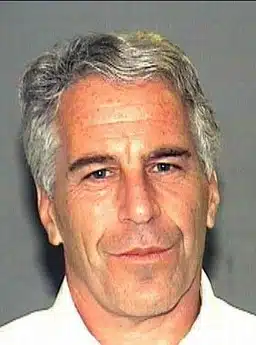
Source: Palm Beach County Sheriff's Department

Source: United States Federal Government

Source: Weill Cornell Medicine
When a minor has been targeted for sex trafficking, the law should do more than punish the trafficker. It should protect the child, preserve evidence, open pathways to safety, and create a legal framework that recognizes the child as a victim, not a criminal. That is the central idea behind the protections available under New York law. For families, advocates, and survivors, understanding those protections can make a critical difference in the first hours, days, and months after exploitation is discovered.
This article explains how New York law protects minors who are victims of sex trafficking, what legal remedies may be available, how civil claims can work alongside criminal enforcement, and why survivor-centered representation matters. If you are looking for a starting point on the issue, the team at The Abuse Lawyer NY for survivor-focused abuse representation and guidance offers educational resources for people seeking to understand their options after abuse. For readers specifically researching this issue, the firm’s sex trafficking legal support for survivors and families page explains how legal advocacy can help hold traffickers and enablers accountable. If you need a way to reach the firm, the contact page for confidential abuse case support and next steps is the best place to begin a private conversation.
Sex trafficking of a minor is not a situation where the child can freely consent. The law recognizes that children are uniquely vulnerable to coercion, manipulation, fraud, force, isolation, dependency, and abuse. Traffickers often exploit unmet needs, prior trauma, homelessness, family instability, grooming, or fear. Because of that vulnerability, legal systems are designed to treat minors differently from adults and to avoid blaming them for the crimes committed against them.
That distinction matters in practice. A minor may run away, miss school, use substances, communicate with a trafficker, or appear to cooperate with exploitation. None of those facts erases victim status. Instead, they often show the depth of coercion and the hold that a trafficker has on a child. A strong legal response must understand trauma, not just conduct.
For survivors and families, the most important legal takeaway is that the child should be treated as someone in need of protection and services, not prosecution. Legal protections are meant to interrupt abuse, limit further harm, and help build a record that supports accountability against the people and institutions that enabled the trafficking.
One of the strongest protections under New York law is the recognition that a minor involved in commercial sexual activity is presumed to be a victim of trafficking or exploitation, not a willing participant. This shifts the legal lens away from punishment and toward rescue, support, and justice.
That recognition affects criminal cases, social services, and civil claims. In practice, it means law enforcement, child welfare systems, prosecutors, and courts should be alert to indicators of trafficking, such as:
The legal system should not wait for a child to explain the full story. Many survivors cannot immediately disclose abuse because of fear, shame, trauma bonding, dissociation, or direct threats. The law, therefore, supports a broader view of evidence and victimization.
When trafficking is suspected, the first priority is safety. Legal protections may include emergency intervention, removal from dangerous environments, protective custody, urgent medical care, trauma-informed counseling, and referrals to appropriate support services. The goal is to stop contact with the trafficker and reduce the risk of retaliation, re-exploitation, or self-harm.
In many cases, immediate documentation is also critical. Advocates and attorneys may help preserve texts, social media messages, photos, financial records, transportation records, location data, hotel information, and witness statements. Digital evidence can disappear quickly, especially if a trafficker uses multiple devices, accounts, or aliases. The faster the evidence is preserved, the stronger the civil or criminal case may become.
At the same time, families should be careful not to pressure a child into retelling painful details over and over. Repetition can worsen trauma and weaken trust. A trauma-informed legal approach means gathering information in a controlled, respectful way that minimizes additional harm.
Criminal law plays an important role in holding traffickers accountable. When a minor is trafficked, prosecutors may pursue serious felony charges against traffickers, facilitators, buyers, recruiters, and others who knowingly contributed to the abuse. The law may also address attempts to conceal, finance, or profit from the trafficking operation.
For the child victim, the legal focus should be protection, not punishment. If a minor was arrested, cited, or threatened in connection with conduct that resulted from trafficking, legal counsel may be able to argue that the child was acting under coercion and abuse. The child may also have rights related to sealing or expungement of certain records, depending on the circumstances and applicable law.
Criminal proceedings can be emotionally difficult for survivors because they may involve interviews, testimony, and evidence review. A survivor-centered advocate helps reduce re-traumatization by coordinating with prosecutors, explaining the process in plain language, and ensuring the child’s voice is respected without forcing unnecessary exposure.
Criminal prosecution is not the only way the law protects minors. Civil claims can be extremely important because they focus on compensation, accountability, and institutional failure. A civil case may seek damages for medical care, psychological treatment, lost educational opportunities, emotional distress, pain and suffering, and other harms caused by exploitation.
Civil claims may also reach third parties who enabled or ignored the trafficking. Depending on the facts, these can include businesses, property owners, landlords, transportation companies, online platforms, hotels, negligent supervisors, or other entities that turned a blind eye to obvious warning signs. The legal theory is not always about direct participation. Sometimes it is about negligence, reckless disregard, failure to supervise, or knowingly benefiting from exploitation.
For minors, civil remedies can be especially important because trafficking disrupts a child’s development, education, relationships, and long-term stability. A settlement or judgment cannot erase the trauma, but it can provide resources for treatment and the practical support needed to rebuild.
Sex trafficking cases often depend on a mosaic of evidence rather than a single dramatic event. Attorneys and investigators may review school attendance records, counseling notes, phone logs, financial records, transportation activity, hotel receipts, online messages, photos, medical records, witness accounts, and prior reports of abuse. The key is to connect the dots and show the pattern of coercion and exploitation.
Evidence collection must be done carefully. A child may be overwhelmed, ashamed, or afraid of reprisal. If a survivor is still in contact with the trafficker, even indirectly, the case strategy should prioritize safety before aggressive fact gathering. Experienced legal counsel knows how to preserve evidence while reducing the risk of alerting the wrong people.
One of the most common mistakes families make is assuming that a lack of obvious physical injury means the case is weak. In reality, trafficking often leaves psychological, educational, and digital evidence that is just as powerful. Attorneys who understand trauma know how to document these harms in a way that supports both healing and legal action.
A trauma-informed approach recognizes that survivors may struggle with memory gaps, conflicting statements, emotional shutdown, hypervigilance, or distrust. Those reactions are common consequences of abuse. A skilled attorney does not treat them as credibility problems by default. Instead, the attorney looks at the larger pattern of behavior and supporting evidence.
Trauma-informed representation includes:
This approach is especially important for minors because children need to feel safe before they can communicate clearly. If an attorney pushes too hard, the child may shut down. If the attorney builds trust, the child is more likely to participate in ways that strengthen the case and support recovery.
If you suspect a minor is being trafficked, timing matters. The first step is safety. If there is immediate danger, contact emergency services and remove the child from the risky environment if it can be done safely. Then begin documenting what you observe without confronting anyone in a way that could increase danger.
Useful steps may include preserving screenshots, saving messages, writing down dates and times, identifying vehicles or locations associated with the abuse, and tracking changes in behavior or routine. Avoid deleting anything from the child’s device if possible. Also, avoid promising secrecy if a child may be in danger. A better message is that you will do everything possible to keep them safe.
When legal help is involved early, it can reduce the chance of evidence loss and prevent missteps that make later recovery harder. Families do not have to figure out every legal issue on their own. A knowledgeable advocate can help coordinate with law enforcement, child protection professionals, therapists, and medical providers.
Minors are often exploited in environments where multiple adults ignore warning signs. Institutions can contribute to trafficking when they fail to act on obvious red flags, allow repeated suspicious activity, or profit from a pattern of abuse. That is why civil law sometimes focuses on negligence and systemic failure, not just the trafficker’s direct conduct.
Examples of potential institutional failure can include ignoring repeated signs that a child is being controlled by another adult, failing to report abuse concerns, not training employees to recognize exploitation, or allowing suspicious transactions and activity to continue without intervention. The legal question is often whether the institution had enough warning to act and failed to take reasonable steps.
For survivors, this matters because trafficking is rarely the result of one isolated decision. It often happens through repeated opportunities for adults and organizations to notice, intervene, and stop harm. Legal accountability can force those systems to improve.
Compensation in a civil trafficking case may address both economic and non-economic harm. Depending on the facts, a claim may seek money for therapy, medical treatment, medication, educational support, lost opportunities, relocation-related needs, and the long-term effects of trauma on daily life.
Some harms are harder to measure, but they are still very real. Survivors may experience sleep problems, panic attacks, shame, dissociation, depression, fear of relationships, difficulty trusting others, and setbacks in school or work. Civil law allows those losses to be valued, even when they lack a receipt.
Compensation can also create practical pathways to healing. Funding can support trauma treatment, stable housing, tutoring, vocational support, and other steps that help a young survivor move forward. For many families, that combination of accountability and support is the most meaningful outcome a legal case can offer.
Sex trafficking cases involving minors are intensely sensitive. Privacy concerns are not an afterthought; they are central to the legal strategy. Confidential communication helps a family learn about options without exposing the child to more risk. It also allows counsel to assess the facts without public attention or unnecessary disclosure.
Legal advice should be clear and realistic. Families deserve to know what can be done now, what evidence matters, what risks may exist, and how long a case might take. Trustworthy representation does not promise instant results or guarantee outcomes. It explains the process carefully, identifies strengths and weaknesses, and prioritizes the child’s well-being.
The best legal support also understands that survivors may need more than a lawsuit. They may need referrals to counselors, safety planning, school-related advocacy, or other support services. Effective representation is holistic, not purely transactional.
Protecting a minor from sex trafficking is not just about responding to one incident. It is about preventing repeat exploitation. Legal tools can help by separating the child from the trafficker, documenting patterns of abuse, exposing enablers, and making it harder for the same people to target another vulnerable child.
When a case is handled well, it can create a record that supports future protection efforts. That record may be useful in criminal cases, family court matters, school safety planning, or later civil claims. Each part of the process can contribute to broader safety if it is handled carefully and with the survivor’s needs in mind.
For many survivors, the legal system becomes part of the journey from silence to recognition. The law cannot undo what happened, but it can validate the harm, assign responsibility, and help build a safer future.
A minor sex trafficking victim is a child who has been recruited, transported, harbored, sold, purchased, or exploited for commercial sex or related sexual exploitation. The key legal point is that a child cannot lawfully consent to this kind of exploitation. That means the law generally treats the child as a victim even when the trafficker claims the child “agreed” or appeared to participate. Courts and investigators look at coercion, control, grooming, threats, dependence, and the overall pattern of exploitation. This protects children from being blamed for their own abuse and helps shift attention to the adult or group that benefited from the trafficking.
In a victim-centered legal approach, the child should not be punished for conduct that resulted from trafficking. A minor who was forced, manipulated, threatened, or controlled should be treated as someone in need of protection and services. If any arrest, citation, or juvenile system contact occurred, an attorney may be able to argue that the behavior was tied to exploitation and that the child should not be held responsible in the same way as a voluntary actor. The exact outcome depends on the facts and the available records, but the law strongly favors recognizing the child’s victim status. This is important because labeling a trafficked child as an offender can deepen trauma and block access to support.
Safety comes first. If the child is in immediate danger, emergency help should be contacted right away. After that, the next step is to preserve evidence and limit contact with the suspected trafficker. It is also important to connect the child with trauma-informed support, including medical care and counseling if needed. Families should avoid confrontations that could escalate risk. Instead, they should document what they saw, save messages or images, and speak with a lawyer who understands trafficking cases. Early legal guidance can help with safety planning, evidence preservation, and communication with authorities while protecting the child from unnecessary stress.
Many different types of evidence can be important. Text messages, social media activity, phone records, hotel records, transportation records, photos, financial transactions, school attendance changes, medical notes, and witness statements can all help show a pattern of exploitation. Often, no single item proves the entire case. Instead, a strong claim is built from many smaller pieces that show control, coercion, profit, and repeated abuse. Digital evidence is especially valuable because traffickers often use phones and online platforms to recruit, communicate, advertise, or monitor victims. An attorney can help determine what should be preserved first and how to reduce the risk of losing critical data.
Yes. A civil case can still be possible even if prosecutors do not file criminal charges. Civil claims use a different legal standard and can focus on compensation and accountability. That means a survivor may be able to seek damages from the trafficker and, in some cases, from third parties that enabled the abuse. Civil cases can also provide resources for therapy, medical care, education support, and recovery. The absence of a criminal case does not necessarily mean there is no valid claim. A lawyer can review the facts, assess the evidence, and explain the available civil options. This is one reason many families seek legal advice early.
Depending on the facts, responsibility may extend beyond the trafficker to buyers, recruiters, facilitators, businesses, landlords, online platforms, property owners, transportation companies, or others who knowingly benefited from or ignored the exploitation. In some cases, the issue is direct participation. In others, the issue is negligence or reckless disregard. If a person or organization had warning signs and failed to act reasonably, they may face civil liability. This broader approach matters because trafficking often depends on a network of people and systems. Holding only one person accountable may not fully address how the abuse was allowed to continue.
Trauma can affect memory, speech, trust, and emotional regulation. A survivor may remember events in fragments, become overwhelmed during questioning, or avoid talking about painful details. That does not mean the survivor is lying. It often means the person has experienced severe stress and fear. Trauma-informed lawyers understand that disclosure may happen gradually, not all at once. They work to create a safe environment, use careful questions, and avoid turning the interview into an interrogation. This is especially important with minors, who may not have the language or confidence to explain everything clearly. Good representation expects trauma effects and plans for them.
Privacy protections can be very important in trafficking cases involving minors. Courts and attorneys often take steps to protect identifying information, reduce public exposure, and limit unnecessary access to sensitive records. The exact protections depend on the type of case, the forum, and the governing procedures, but confidentiality is usually a major concern. Families should ask early about sealing records, protective orders, and how information will be handled. Protecting privacy can help the survivor feel safer and can reduce the risk of retaliation or public embarrassment. A lawyer can explain which records may be protected and what motions or requests may be appropriate.
That fear is common and should be taken seriously. Traffickers often use threats, emotional control, shame, or dependency to keep victims silent. If the child is still afraid, the legal strategy should focus on safety planning, confidential communication, and reducing contact with the trafficker. Law enforcement involvement may need to be coordinated carefully so the child is not put at additional risk. An attorney can help identify the safest next step and may work with support professionals to stabilize the situation. It is important not to judge the child for fear or hesitation. Fear is often evidence of ongoing coercion, not lack of credibility.
Early legal help can preserve evidence, protect privacy, reduce stress, and help prevent mistakes that make the case harder later. Trafficking cases often involve time-sensitive digital records, witness memory, and rapidly evolving safety risks. A lawyer can also help families understand how criminal and civil processes interact, what documentation matters, and how to avoid unnecessary exposure. Just as important, early counsel can offer a calm, informed framework when the family is overwhelmed. For a minor victim, the difference between a rushed response and a thoughtful one can be significant. The earlier the case is handled carefully, the better the chances of protecting the child and building a strong record.
New York law protects minors who are victims of sex trafficking by recognizing them as victims, prioritizing safety, supporting criminal accountability, and allowing civil claims that can help fund recovery and expose the systems that enabled abuse. Those protections are strongest when they are applied with urgency, trauma awareness, and respect for the child’s dignity.
If you suspect trafficking or want to understand legal options after exploitation, the most important step is to act carefully and quickly. Preserve evidence, focus on safety, and seek confidential guidance from a lawyer who understands survivor-centered advocacy. With the right support, the legal system can become more than a source of process; it can become a tool for protection, accountability, and healing.
Thomas Giuffra, Esq. - The Abuse Lawyer NY
551 5th Avenue, 29th Floor,
New York, NY 10017
(646) 413-6394
Hours Of Operation
Monday: 24 Hours
Tuesday: 24 Hours
Wednesday: 24 Hours
Thursday: 24 Hours
Friday: 24 Hours
Saturday: 24 Hours
Sunday: 24 Hours
Cases We Handle
Sexual abuse lawyer
Child abuse lawyer
Clergy abuse lawyer
Private boarding school abuse lawyer
Doctor abuse lawyer
Daycare abuse lawyer
Hazing and Bullying abuse lawyer
Massage spa abuse lawyer