Schedule A Call Now
A New York Sexual Abuse Lawyer For Survivors
Over 50 Years Experience \\ Get Help 24/7
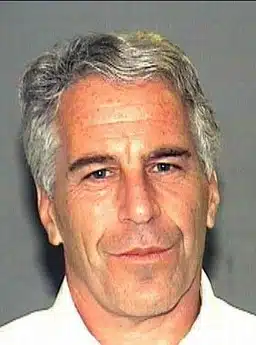
Source: Palm Beach County Sheriff's Department

Source: United States Federal Government

Source: Weill Cornell Medicine
Stepping into your first consultation with a sexual abuse attorney can feel overwhelming, but understanding the process empowers you to take control of your journey toward justice. This comprehensive guide details every step, drawing on real-world experience to fully prepare you for this critical meeting.
Whether you're a survivor of sexual assault, child abuse, or institutional misconduct, the initial consultation serves as the foundation for your case. It's your opportunity to share your story confidentially, assess your legal options, and determine if you have a viable claim. Experienced attorneys like those at The Abuse Lawyer NY - Trusted Sexual Abuse Representation prioritize creating a safe space where survivors feel heard and respected from the very first interaction.
The first consultation is more than a meeting; it's a pivotal moment where you and the attorney evaluate fit and potential. For survivors, it's a chance to break the silence in a judgment-free environment. Attorneys use this time to gather essential details, explain legal rights, and outline possible paths forward. According to insights from dedicated firms, this session often determines the strategy for pursuing compensation for medical bills, therapy, lost wages, and emotional distress.
Expect a structured yet compassionate approach. Attorneys trained in trauma-informed practices ensure discussions remain sensitive. They won't pressure you for decisions; instead, they'll empower you with knowledge. Many firms offer these consultations free of charge, with no obligation to proceed, allowing you to explore options risk-free.
Preparation maximizes the value of your time. Start by organizing your thoughts and documents. Here's a detailed checklist to guide you:
Taking these steps demonstrates seriousness and helps the attorney provide precise advice. Survivors who come prepared often leave with clearer next steps and reduced anxiety.
On consultation day, anticipate a welcoming atmosphere. Many firms offer virtual or phone options for comfort, especially for those reliving trauma. Upon arrival or connection, you'll likely meet a supportive staff member first, who handles intake forms covering basic contact info and case summaries.
The attorney enters shortly after, introduces themselves, and explains the session's structure. Expect 45-90 minutes, depending on complexity. They begin with an overview of their expertise in sexual abuse cases, perhaps sharing credentials such as years of experience or successful verdicts, to build trust immediately.
For instance, attorneys with a proven track record of representing survivors against institutions demonstrate familiarity with relevant laws, ensuring you know they're equipped to handle your unique situation. This phase sets a tone of professionalism and empathy.
The heart of the meeting is recounting your experience. Attorneys use open-ended questions to let you lead: 'Tell me about what happened,' or 'How has this affected you?' They listen actively, taking notes without interrupting unless clarifying details.
Be prepared to discuss sensitive topics like the nature of the abuse, relationship to the perpetrator, any reporting attempts, and ongoing effects such as PTSD, depression, or relationship strains. Experts emphasize validating emotions; tears or pauses are normal and accommodated.
They probe gently for evidentiary elements: Did others witness? Are there patterns of behavior? Digital footprints? This isn't an interrogation but fact-finding to assess strengths and challenges. Trauma-informed attorneys recognize disclosure difficulties and offer breaks when needed.
After hearing your story, the attorney analyzes key factors. They review statutes of limitations, which vary by abuse type and the age at the time of the occurrence. For adult survivors, windows may be limited, but extensions are available for childhood cases or discoveries made later in life.
Case strength hinges on evidence, the liability of the perpetrator, and deep-pocket defendants like organizations. Attorneys discuss potential claims: negligence, intentional infliction, or violations of mandatory reporting laws. They explain civil vs. criminal distinctions, noting civil suits offer direct compensation.
Realistic expectations are set. Strong cases might yield settlements in the six- or seven-figure range, covering lifelong therapy and support. Weaker cases may not proceed, but alternatives such as restraining orders are explored. Transparency here fosters trust.
Compensation breaks down into economic and non-economic damages. Economic costs include medical costs, lost income, and future care. Non-economic covers pain, suffering, humiliation. Punitive damages punish egregious conduct.
Attorneys provide ballpark figures based on similar cases, without guarantees. For example, institutional failures often lead to higher awards due to systemic accountability. They outline fee structures: contingency basis means no upfront costs; they earn only if you win, typically 33-40% of recovery.
This model aligns interests, ensuring aggressive pursuit. Detailed breakdowns clarify how funds are distributed after a verdict or settlement.
Wrapping up, the attorney summarizes findings, recommends proceeding or not, and provides timelines. If viable, they explain that the investigation starts with witness interviews, expert hires, and defendant identification.
You'll receive case strategy outlines, timelines (1-3 years typical), and risks, such as appeals. No pressure to sign; take time to reflect. Many provide follow-up calls.
If advancing, retainers formalize representation. Otherwise, referrals to counselors or resources ensure continued support. For specialized guidance on sexual abuse claims, explore resources at Expert Sexual Abuse Lawyer for Survivors' Justice.
Reliving trauma stirs anxiety, shame, and anger. Normal reactions include emotional exhaustion post-meeting. Self-care follows: journaling, support groups, and therapy. Attorneys often recommend hotlines or peer networks.
Validation from professionals reduces isolation. Knowing millions pursue justice successfully inspires hope. Post-consultation clarity often brings relief, marking the start of empowerment.
Choose wisely. Avoid guarantees of outcomes, high-pressure sales, and inexperience in abuse law. Seek trauma expertise, clear communication, and references. Reputable firms like Thomas Giuffra Sexual Abuse Law Firm Experience demonstrate dedication through client-focused practices and proven results.
Skilled attorneys navigate complexities: discovery battles, mediation, and trials. They leverage networks for therapists, investigators, and experts. Their advocacy maximizes outcomes, sparing you procedural burdens during healing.
Firms committed to survivors offer 24/7 availability, reflecting urgency. Compassion pairs with tenacity, turning pain into accountability.
Reflect on fit. Journal pros/cons. Consult trusted advisors. If proceeding, sign agreements promptly to preserve deadlines. Meanwhile, preserve evidence, seek therapy. Track all communications.
Justice journeys vary, but informed starts yield the strongest results. Your courage deserves a skilled partnership.
Bring any documentation related to the abuse, such as medical records, police reports, emails, text messages, photographs, or journals detailing events. Create a detailed timeline of incidents, including dates, descriptions of what occurred, names of involved parties, witnesses, and how the abuse has impacted your life physically, emotionally, and financially. Prepare a list of specific questions you have about your case, the legal process, potential outcomes, and timelines. Also, note your personal goals, whether financial compensation, holding the perpetrator accountable, or both. Having these materials organized allows the attorney to provide immediate, accurate, tailored advice. Even if documents are incomplete, bringing what you have helps establish the foundation of your claim. Attorneys appreciate proactive preparation as it demonstrates your commitment and enables a more productive discussion on viable legal strategies and next steps.
Most initial consultations range from 45 minutes to 90 minutes, depending on the complexity of your situation and the depth of information you provide. Simpler cases may conclude quicker, while those involving long-term abuse, multiple perpetrators, or institutional involvement require more time for thorough review. Attorneys structure the session to cover your story, legal assessment, compensation discussion, and next steps without rushing. Virtual or phone options often mirror in-person durations. Arrive early to complete intake forms, ensuring full use of time. Post-consultation, many offer brief follow-ups if needed. This timeframe balances comprehensive evaluation with respect for your emotional energy, allowing space to process sensitive details without exhaustion.
Yes, reputable sexual abuse attorneys typically offer free initial consultations with no obligation to retain their services. This no-cost structure removes financial barriers, enabling survivors to explore options confidentially. Firms operate on a contingency fee basis, meaning they only get paid if your case succeeds, usually as a percentage of the recovery. During the meeting, they'll explain fee arrangements clearly. Free consultations reflect a commitment to accessibility and prioritize justice over immediate profit. Confirm this upfront when scheduling to avoid surprises. This model ensures focused, aggressive representation from day one, aligning attorney incentives with your success.
Absolutely, discussions are protected by the attorney-client privilege, a legal safeguard that prevents disclosure without your consent. From intake, information remains private, even if you don't proceed. Attorneys adhere to strict ethical standards, especially in trauma cases. Share freely without fear; this confidentiality builds trust essential for full disclosure. Exceptions are rare, like imminent harm risks, but are always explained. Virtual sessions use secure platforms. Post-consultation, privilege persists. This protection empowers honest storytelling, crucial for strong cases.
Expect open-ended queries like 'Can you describe what happened?', 'When did events occur?', 'Who was involved?', 'Have you sought medical or therapeutic help?', 'Are there witnesses or evidence?'. They'll explore impacts on daily life, work, and relationships. Questions assess liability, statutes of limitations, and potential defendants. Follow-ups clarify timelines, patterns, and reporting history. Trauma-informed phrasing avoids re-traumatization. Not interrogation; collaborative fact-gathering for strategy. Answering honestly maximizes advice quality. Prepare by reviewing your timeline to respond fluidly.
Yes, many attorneys welcome trusted friends, family, or advocates for emotional support, provided they don't disrupt or influence testimony. Inform ahead to confirm policies; some prefer one-on-one initially for privacy. Support persons offer comfort during disclosures, helping process information. They shouldn't speak for you or provide legal input. Virtual options allow remote presence. This flexibility acknowledges emotional toll, enhancing participation. Discuss comfort levels upfront to ensure an optimal experience.
That's completely understandable; attorneys accommodate pacing. Share what feels safe; they build cases incrementally. Partial info still allows a preliminary assessment. Schedule follow-ups as needed. Trauma experts recognize disclosure stages and offer breaks or rescheduling. No judgment; pressure-free environment prioritizes your well-being. Over time, comfort grows, strengthening claims. Resources like therapy referrals aid readiness. Patience ensures thorough, effective representation.
ASAP, due to statutes of limitations varying by case type, age, and discovery. Childhood abuse often has extended windows; adults face shorter ones. Delays risk-barred claims. Even pre-expiration, evidence fades, memories blur. Early action preserves options, starts healing. 24/7 availability at dedicated firms facilitates prompt scheduling. Consultations clarify deadlines precisely. Acting swiftly maximizes leverage against defendants.
They'll explain the reasons transparently, suggesting alternatives such as criminal reports, civil protections, and therapy resources. Referrals to specialists, if applicable. Honest assessments prevent wasted effort, time, and money. Rarely, cases strengthen with more evidence. Respect candor as an expertise sign. Explore multiple opinions if desired, but prioritize experience. Rejection doesn't invalidate trauma; support continues regardless.
Evaluate empathy, expertise, communication, and track record. Do they specialize in abuse? Trauma-trained? Clear strategies? Comfortable rapport? Review credentials, verdicts. Ask references. Fee transparency? Gut feeling matters. Compare consultations. Experience in similar cases predicts success. Firms like those led by Thomas Giuffra, Esq., exemplify dedication through proven advocacy for survivors.
Your first consultation launches empowerment. Armed with knowledge, approach confidently. Justice awaits those bold enough to seek it. Contact experienced representation today to begin.
Thomas Giuffra, Esq. - The Abuse Lawyer NY
551 5th Avenue, 29th Floor,
New York, NY 10017
(646) 413-6394
Hours Of Operation
Monday: 24 Hours
Tuesday: 24 Hours
Wednesday: 24 Hours
Thursday: 24 Hours
Friday: 24 Hours
Saturday: 24 Hours
Sunday: 24 Hours
Cases We Handle
Sexual abuse lawyer
Child abuse lawyer
Clergy abuse lawyer
Private boarding school abuse lawyer
Doctor abuse lawyer
Daycare abuse lawyer
Hazing and Bullying abuse lawyer
Massage spa abuse lawyer