Schedule A Call Now
A New York Sexual Abuse Lawyer For Survivors
Over 50 Years Experience \\ Get Help 24/7
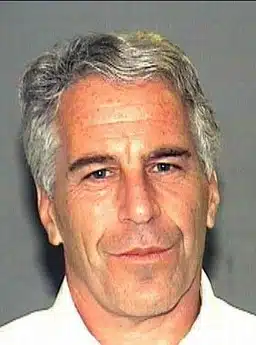
Source: Palm Beach County Sheriff's Department

Source: United States Federal Government

Source: Weill Cornell Medicine
Choosing the right sexual abuse lawyer can be the most important decision you make on your path to justice and healing. When you've been victimized, the legal process can feel overwhelming, but a skilled attorney can guide you through it with compassion and expertise. This comprehensive guide outlines the essential qualities and factors to consider when selecting a sexual abuse lawyer, drawing from years of specialized practice in representing survivors. As Thomas Giuffra, Esq., known as The Abuse Lawyer NY for Survivors, I've helped countless individuals navigate these challenging cases, and I'll share the insights that truly matter.
Sexual abuse cases are deeply personal and complex, often involving sensitive evidence, emotional trauma, and strict legal deadlines. The first step in choosing a lawyer is recognizing that not all attorneys are equipped to handle these matters effectively. You need someone with a proven track record in sexual abuse litigation who understands the nuances of statutes of limitations, victim compensation funds, and the psychological impact on survivors. Look for lawyers who prioritize survivor-centered approaches, ensuring your comfort throughout the process.
From initial consultations to courtroom battles, the right lawyer will explain every step clearly, without jargon. They should be adept at gathering evidence, such as medical records, witness statements, and digital forensics, which are crucial to building a strong case. Experience shows that cases involving institutional cover-ups—such as those in schools, religious organizations, or workplaces—require specialized knowledge of premises liability and negligence law. A lawyer without this depth may miss critical angles, weakening your claim.
Consider the types of abuse: child sexual abuse, adult assault, hazing incidents, or clergy abuse. Each demands tailored strategies. For instance, recent legal reforms have extended filing windows for childhood survivors, but deadlines still apply. The ideal lawyer stays current on these changes, maximizing your window for justice. Their firm should offer free consultations, so you can assess the fit without financial pressure.
Experience isn't just years in practice; it's years handling sexual abuse cases specifically. Seek attorneys with a portfolio of successful verdicts and settlements in this niche. Thomas Giuffra, Esq., for example, has dedicated his career to advocating for survivors, achieving notable outcomes in diverse abuse scenarios. Verify their case history—ask for anonymized examples of past wins, such as multi-million-dollar settlements against institutions that failed to protect victims.
Specialization matters because sexual abuse law intersects with civil rights, torts, and sometimes criminal prosecution. A general practitioner might lack the insight into pursuing civil remedies alongside criminal charges. Look for board certifications, if available, or memberships in victim advocacy groups. In my practice, I've seen how specialized knowledge uncovers hidden liabilities, like negligent hiring practices by organizations, leading to higher compensation for pain, suffering, therapy, and lost wages.
Probe their familiarity with discovery processes, depositions, and mediation. Have they litigated against powerful defendants? Experience with appeals is vital, as many cases are contested vigorously. A lawyer who's handled hundreds of similar matters brings efficiency, reducing your stress and costs through contingency fee structures—meaning no upfront payments.
A lawyer's results speak volumes. Request details on settlement amounts, trial verdicts, and recovery rates. While confidentiality protects client identities, reputable attorneys share aggregate data. For guidance on sexual abuse lawyer selection, transparency in past performance builds trust. In my firm's history, we've secured substantial recoveries for survivors, enabling long-term healing and financial stability.
Examine client testimonials and peer reviews, but verify them with independent sources such as bar associations. Success rates above 90% in sexual abuse matters are a green flag. Understand the context: a high settlement average indicates negotiation prowess, while trial wins show courtroom tenacity. Avoid lawyers who promise guaranteed outcomes—ethical ones emphasize realistic expectations based on the case's merits.
Case studies illuminate expertise. Consider a scenario where a survivor of institutional abuse recovered damages after the lawyer proved systemic failures. Such results stem from meticulous investigation, expert witnesses, and strategic filings. Your lawyer should articulate how they'd approach your unique situation, demonstrating adaptability.
Beyond legal acumen, empathy is non-negotiable. Sexual abuse survivors often relive trauma during legal proceedings; a compassionate lawyer creates a safe space. They should offer trauma-informed practices, like flexible meeting times and therapist referrals. In consultations, note whether they listen actively, validate your experience, and avoid pressuring you.
Communication style is key. Expect prompt responses, regular updates, and plain-language explanations. Top lawyers assign dedicated case managers for accessibility. I've found that building rapport fosters trust, encouraging survivors to share vital details. Ask about their approach to client involvement—do they empower you or dictate terms?
Assess availability: Will you work directly with the lead attorney or a junior associate? Insist on principal involvement for high-stakes matters. Compassion extends to family support, recognizing the broader impact of abuse.
A strong firm boasts robust resources: in-house investigators, forensic accountants, medical experts, and paralegals specializing in abuse cases. This infrastructure ensures thorough case preparation. Solo practitioners may struggle with resource-intensive litigation against deep-pocketed defendants.
Technology matters too—secure client portals for document sharing, virtual consultations for convenience. Look for multilingual staff if needed. For comprehensive support, explore firms that offer holistic services, including financial planning referrals post-settlement. Connecting with experienced abuse attorneys ready to assist ensures access to these capabilities from day one.
Most sexual abuse lawyers work on contingency—no win, no fee. Typical rates are 33-40% of recovery, plus reimbursable expenses. Demand a clear written agreement detailing all terms. Beware hidden fees or pressure for retainers.
Discuss cost management: how do they minimize expenses? Ethical lawyers provide itemized billing. Understand net recovery calculations, including liens from medical providers. Transparency prevents surprises, allowing focus on healing.
Prepare a timeline, documents, and questions. Ask about case evaluation, strategy, timeline, and team. Gauge their passion for justice. A free consultation reveals compatibility.
Steer clear of guarantees, high-pressure tactics, poor communication, or inexperience. Trust your instincts—if it feels off, move on.
Combine legal help with therapy and support groups. A great lawyer connects you to resources.
Selecting a sexual abuse lawyer demands diligence, experience, empathy, and ethics. Prioritize those dedicated to survivors, like The Abuse Lawyer NY. Contact a specialist today for your free consultation and take the first step toward justice.
A qualified sexual abuse lawyer must possess specific credentials that demonstrate deep expertise in handling sensitive victim cases. First, they should be licensed to practice law in the relevant jurisdiction with a clean disciplinary record, verifiable through state bar associations. Specialization in personal injury or civil litigation focused on sexual abuse is crucial, often evidenced by years of exclusive practice in this area. Look for attorneys who have handled hundreds of cases involving child abuse, adult assault, institutional negligence, and related matters. Credentials such as membership in the New York State Trial Lawyers Association or the American Association for Justice's Sexual Abuse Section add authority. In addition, practical experience with recent legal reforms, such as the extended statutes of limitations under the Child Victims Act, is essential to maximizing survivors' opportunities. The best lawyers collaborate with experts in psychology, forensics, and economics to build ironclad cases. Thomas Giuffra, Esq., exemplifies this with a career dedicated to survivor representation, achieving significant recoveries through meticulous casework. During consultations, request case summaries and success metrics to confirm their prowess. Ultimately, qualifications translate into higher compensation, more efficient processes, and compassionate guidance, ensuring you receive the justice you deserve after enduring trauma.
Verifying a lawyer's track record requires thorough due diligence beyond surface claims. Start by reviewing their website for anonymized case results, settlement ranges, and trial verdicts specific to sexual abuse. Reputable firms like those led by Thomas Giuffra share aggregate data showing multi-million-dollar outcomes against institutions. Cross-check with independent platforms like Avvo, Martindale-Hubbell, or Justia for client reviews and peer ratings—aim for 5-star averages with detailed feedback on sexual abuse handling. Contact the state bar for disciplinary history and confirm active licensure. Request references from past clients (anonymized if needed) during consultations. Examine media coverage of their cases, as high-profile wins indicate their ability to beat tough opponents. Analyze recovery statistics: what percentage of cases settle favorably, and what's the average award? Ethical lawyers provide this transparently without violating confidentiality. Inquire about their win rate in jury trials, as many abuse cases go to a verdict. For added assurance, see if they've contributed to legal publications or spoken at survivor advocacy conferences. This multi-layered verification ensures you're partnering with a proven advocate who can navigate complex litigation, secure maximum compensation for medical costs, lost income, and emotional distress, and support your healing journey effectively.
A free consultation with a sexual abuse lawyer is your opportunity to assess fit without commitment. Expect a confidential, empathetic environment where you share your story at your pace. The lawyer will ask for a timeline of events, any evidence, such as police reports or medical records, and details about the impact on your life. They'll provide an initial case evaluation, outlining strengths, potential defendants (e.g., perpetrators, employers, institutions), and legal strategies like filing civil suits or leveraging victim funds. Discussion covers timelines, given statutes of limitations, and fee structures—typically contingency-based. Top attorneys explain processes: investigation, discovery, negotiation, and trial if needed. They'll address common concerns like privacy protections and emotional support resources. Prepare questions on their experience, similar cases, and expected outcomes. Note their listening skills, clarity, and compassion—red flags include rushing or guarantees. Sessions last 30-60 minutes, often virtual for convenience. Firms like The Abuse Lawyer NY use this time to build trust, offering honest assessments. Post-consultation, expect a follow-up summary. This initial meeting empowers you to make confident decisions, ensuring alignment with a lawyer committed to your justice and recovery.
Yes, most experienced sexual abuse lawyers operate on a contingency fee basis, meaning you pay nothing upfront or out-of-pocket unless they win your case. They receive a percentage—typically 33% to 40%—of the settlement or verdict, covering their services and advancing case costs such as expert fees and filing costs. This model levels the playing field, allowing survivors, regardless of financial means, to access top representation. Always get the agreement in writing, detailing the percentage (which may tier based on case stage, e.g., lower if settled early), expense reimbursement, and net recovery calculations after liens (e.g., medical bills). Ethical lawyers cap fees and prioritize your maximum net award. Discuss cost controls to avoid surprises. In high-value cases, this structure incentivizes aggressive pursuit of full compensation for therapy, lost wages, pain, and punitive damages. Thomas Giuffra, Esq., employs this transparent approach, ensuring survivors focus on healing while the firm invests in victory. Compare multiple quotes, but prioritize expertise over lowest fees. This fee arrangement underscores the lawyer's confidence in your case and commitment to justice without financial barriers.
Sexual abuse cases vary in duration, typically spanning 1-3 years from filing to resolution, depending on complexity, defendant cooperation, and court dockets. Pre-litigation investigation and negotiation can take 6-12 months, with the aim of achieving early settlements. If litigation ensues, discovery (evidence exchange) adds 6-18 months, followed by mediation or trial prep. Trials themselves last weeks, with appeals potentially extending 2+ years. Factors accelerating resolution include strong evidence, cooperative insurers, or look-back windows from laws like the Child Victims Act. Delays arise from multiple defendants, contested facts, or expert scheduling. Skilled lawyers like Thomas Giuffra expedite via strategic motions and settlement pressure. Survivors receive regular updates, with interim payments possible in phased resolutions. Emotional timelines matter—counseling helps cope. While patience is needed, proactive case management minimizes drag. Post-resolution, funds are disbursed quickly, and funding recovery. Understanding this helps set expectations; choose lawyers with efficient track records to shorten the process without sacrificing value.
Sexual abuse lawsuits offer comprehensive compensation addressing full harms. Economic damages cover tangible losses: medical bills (therapy, surgeries), lost wages, future earning capacity, and out-of-pocket costs. Non-economic damages compensate intangible suffering: pain, emotional distress, PTSD, anxiety, reputational harm—often the largest awards. Punitive damages punish egregious conduct, like institutional cover-ups. In child cases, lifelong impacts like ongoing therapy are factored. Settlements average hundreds of thousands to millions per case. Expert testimony quantifies losses accurately. Lawyers negotiate holistically, ensuring coverage for family counseling as well. Thomas Giuffra has secured such recoveries, enabling survivor stability. Additional funds from victim compensation boards provide quick aid. Tax-free awards (mostly) maximize value. During evaluation, your lawyer estimates potential based on precedents. Pursue all liable parties—institutions via negligence—to boost totals. This multifaceted recovery restores dignity, funds healing, and holds abusers accountable.
Yes, recent reforms like the Child Victims Act and Adult Survivors Act have revived claims for many long-past abuses by extending or eliminating statutes of limitations. Childhood survivors can now sue until age 55 or within 7 years of discovery. Adult cases have 3-5-year windows from the incident or realization. These 'look-back' periods triggered a flood of filings, pressuring settlements. However, deadlines remain strict—act promptly. Tolling applies to minors or incapacity. Consult immediately for eligibility. Experienced lawyers like Thomas Giuffra navigate these windows and successfully file reviver actions. Evidence preservation is key; old records strengthen cases. Courts recognize delayed reporting due to trauma. Success stories abound post-reform, with billions recovered. Don't assume time bars you—professional assessment clarifies options, empowering timely justice.
Evidence is pivotal, forming the backbone of the case. Direct evidence includes witness accounts, perpetrator confessions, DNA, and videos. Circumstantial bolsters: medical reports documenting injuries/trauma, therapy notes on PTSD, contemporaneous complaints. Digital trails—texts, emails—prove patterns. Institutional records reveal cover-ups and negligence. Lawyers deploy investigators and issue subpoenas to ensure thorough collection. Corroboration via multiple sources overcomes 'he said/she said.' Expert affidavits link abuse to harms. Preservation prevents spoliation claims. In my practice, meticulous evidence-gathering yields favorable outcomes. Survivors provide timelines; firms handle the rest. Strong evidence accelerates settlements, deters trials. Even without physical proof, survivor testimony plus patterns succeed, especially post-#MeToo. Prioritize lawyers skilled in forensic assembly for maximum leverage.
Against institutions (schools, churches, employers), lawyers target negligence: failure to screen, report, supervise, or act on warnings. Theories include vicarious liability, premises liability, and negligent hiring/retention. Discovery uncovers internal memos proving knowledge. Class actions aggregate claims. Public pressure aids negotiations. Thomas Giuffra excels here, exposing systemic failures that led to landmark recoveries. Strategy: name all parties, pursue insurers. Experts testify standards breached. Trials highlight moral failings. Settlements often confidential but substantial. This approach maximizes accountability, deterring future abuses.
Absolutely—consultations are protected by attorney-client privilege, ensuring total confidentiality. No information is shared without consent, even if unrepresented. Firms use secure methods. This safeguard encourages full disclosure for accurate advice. Ethical rules mandate protection. Post-retention, privilege persists. Virtual options enhance privacy. Trust this foundation when choosing counsel.
Thomas Giuffra, Esq. - The Abuse Lawyer NY
551 5th Avenue, 29th Floor,
New York, NY 10017
(646) 413-6394
Hours Of Operation
Monday: 24 Hours
Tuesday: 24 Hours
Wednesday: 24 Hours
Thursday: 24 Hours
Friday: 24 Hours
Saturday: 24 Hours
Sunday: 24 Hours
Cases We Handle
Sexual abuse lawyer
Child abuse lawyer
Clergy abuse lawyer
Private boarding school abuse lawyer
Doctor abuse lawyer
Daycare abuse lawyer
Hazing and Bullying abuse lawyer
Massage spa abuse lawyer