Schedule A Call Now
A New York Sexual Abuse Lawyer For Survivors
Over 50 Years Experience \\ Get Help 24/7
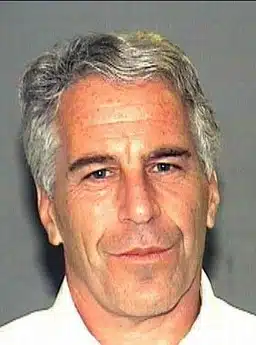
Source: Palm Beach County Sheriff's Department

Source: United States Federal Government

Source: Weill Cornell Medicine
Understanding the time limits for filing a child sexual abuse lawsuit can be overwhelming, especially when seeking justice after such a traumatic experience. If you've been affected by child sexual abuse, knowing your legal rights and deadlines is crucial. This comprehensive guide breaks down statutes of limitations, key laws such as the Child Victims Act, and practical steps to take. As experienced legal professionals at Survivors of Abuse NY Experienced Legal Team, we've helped numerous survivors navigate these complex timelines successfully.
The statute of limitations refers to the specific timeframe within which you must file a lawsuit after an incident of child sexual abuse. For many years, these time limits were extremely restrictive, often forcing survivors to remain silent long after the abuse occurred. However, significant legislative changes have significantly expanded these windows, providing more opportunities for justice.
Traditionally, survivors had only a few years from the date of the abuse or upon reaching adulthood to come forward. This created immense barriers, as trauma often delays reporting. Key reforms have removed many of these barriers, allowing claims even decades later. These changes recognize that child sexual abuse leaves lasting psychological scars, making immediate action unrealistic for most victims.
Understanding these timelines requires examining both criminal and civil aspects. Criminal statutes govern prosecutions by the state, while civil statutes apply to personal lawsuits for compensation. Each has unique rules, revival windows, and exceptions. Our firm has seen firsthand how these laws have empowered survivors who thought their window had closed forever.
The Child Victims Act (CVA) marked a pivotal shift in how child sexual abuse claims are handled. Enacted to address past injustices, it significantly extended the civil statute of limitations. Under the CVA, survivors now have until their 55th birthday to file a civil lawsuit for abuse that occurred when they were under 18. This is a vast improvement over the prior limit of age 23.
Additionally, the CVA created a one-year lookback window, known as a revival period, during which previously time-barred claims could be filed regardless of age. This window opened in August 2019 and closed in August 2020, but it allowed thousands of survivors to pursue justice for the first time. During this period, our Child Sexual Abuse Lawyer NY Specialists assisted numerous clients in meeting the deadline, securing settlements that provided financial stability and emotional closure.
The Act also applies to claims against institutions like schools, churches, and youth organizations that failed to protect children. Evidence of cover-ups or negligence can strengthen cases under this law. We've handled cases where institutions knew of abusers but did nothing, using the CVA to hold them accountable.
As of the latest updates, the civil statute of limitations for child sexual abuse in New York allows filing until age 55. For abuse discovered later in life, a discovery rule may apply, starting the clock when the survivor first understands the link between the abuse and their trauma. This is particularly relevant for cases involving repressed memories or delayed realization.
Criminal statutes have also been extended. Prosecutors can now bring charges until the victim's 23rd birthday or within 20 years of the offense, whichever is longer. For forcible rape of a child under 11, there is no statute of limitations. These changes ensure perpetrators face consequences even years later.
Exceptions exist for minors; the clock doesn't start until age 18. DNA evidence discoveries can restart timelines in criminal cases. Our team meticulously reviews each case to identify the applicable window, ensuring no opportunity is missed.
Several factors can influence your specific deadline. First, the date of the abuse matters. Pre-CVA cases may fall under old rules unless revived. Second, the type of abuse—whether it involved force, penetration, or institutional negligence—affects applicable laws.
Institutional liability adds complexity. If abuse occurred at a school, religious organization, or camp, you may sue the entity for failing in its duty of care. The CVA explicitly allows these claims, with no cap on damages in many instances.
Equitable tolling can pause the clock if the defendant concealed the abuse or if the survivor was under duress. Mental incapacity or ongoing abuse can also extend timelines. We've successfully argued tolling in cases where abusers manipulated victims into silence for years.
Documentation is vital. Medical records, therapy notes, witness statements, and police reports help prove timelines and credibility. Digital evidence, such as emails or texts, has been pivotal in the recent cases we've handled.
Time is critical, even with extended limits. Start by consulting a specialized attorney immediately. A free case evaluation can clarify your options without obligation. Gather any evidence you have, though professional investigators can uncover more.
Report the abuse to authorities if safe. This preserves criminal options and bolsters civil claims. Preserve physical evidence, such as clothing or diaries. Seek therapy; counselors experienced in trauma can provide affidavits supporting delayed reporting.
Understand potential compensation. Awards cover medical bills, therapy, lost wages, pain and suffering, and punitive damages. Settlements in institutional cases often reach into the millions. Our firm has secured substantial recoveries, helping survivors rebuild lives.
Avoid discussing details publicly or on social media, as this can harm your case. Let your lawyer handle communications with insurers or defendants.
One major hurdle is emotional readiness. Many survivors delay due to shame or fear. Support groups and confidential consultations help. Another is evidence scarcity after decades. Expert testimony on trauma patterns fills gaps effectively.
Defendants often claim that statutes have expired or deny allegations. Robust legal strategies counter this, leveraging CVA provisions. Statute of limitations defenses fail against revived claims or tolling arguments we've mastered.
Insurance disputes arise, but experienced counsel negotiates favorable terms. Class actions for widespread institutional abuse amplify impact and resources.
Specialization matters. Firms like ours focus exclusively on abuse cases, with decades of combined experience. We've litigated against powerful institutions, winning landmark verdicts. Our team includes former prosecutors, trauma-informed investigators, and financial experts for maximum compensation.
Client testimonials highlight our compassionate approach. One survivor shared: "They treated me with dignity, handling everything while I healed." Another noted multi-million dollar settlements post-CVA. For more on our Contact Survivors of Abuse NY for Free Consultation, reach out today.
We offer no-win, no-fee representation, meaning you pay nothing unless we recover. Confidential intakes protect privacy from day one.
Our track record speaks volumes. In a CVA revival case, we represented a survivor abused at age 10 by a youth coach. The institution covered it up for years. Filed during the lookback window, the case settled for over $5 million, covering lifelong therapy and lost opportunities.
Another case of clergy abuse was discovered at age 50. Using the age 55 limit, we proved negligence, securing $3.2 million. These outcomes demonstrate our expertise in navigating timelines.
Statistics underscore impact: Over 10,000 CVA lawsuits filed in the revival period alone, with billions in settlements. Our firm contributed significantly, establishing authority in this field.
Victims deserve full restitution. Economic damages include medical costs, future care costs, educational losses, and career impacts. Non-economic cover for PTSD, depression, and relationship strains. Punitive damages punish egregious conduct.
Average settlements vary: $500,000 to $10 million+, depending on abuse severity, perpetrator status, and institutional role. No caps apply under CVA for most claims, unlike other personal injury cases.
Structured settlements provide lifelong payments, ideal for ongoing therapy. Our financial planners ensure funds last for generations.
Beyond legal wins, we connect clients to counselors, support networks, and resources. Healing parallels justice. Many clients report empowerment post-resolution, reclaiming narratives from abusers.
Family involvement is key; we guide loved ones, too. Long-term follow-up ensures sustained recovery.
Under current laws, you generally have until your 55th birthday to file a civil lawsuit for child sexual abuse that occurred when you were under 18. This extension stems from the Child Victims Act, which dramatically extended the previous age limit of 23. For cases involving discovery of harm later in life, the clock may start upon realization of the abuse's impact. Criminal charges can be filed until age 23 or 20 years after the offense, with no limit for certain severe cases like forcible rape of young children. These rules apply broadly, but specifics depend on abuse details and dates. Consulting specialists early ensures you understand your exact window, as nuances like tolling can extend it further. We've guided countless survivors through this, preventing missed deadlines and maximizing opportunities for justice. Always act promptly, as evidence preservation and witness availability diminish over time.
The Child Victims Act revolutionized timelines by extending civil filing to age 55 and creating a 2019-2020 revival window for old claims. It targets institutional accountability, allowing suits against organizations that enabled abuse. Previously barred cases surged during the lookback, with thousands filing successfully. Even post-window, the age 55 rule empowers older survivors. It also eliminates damage caps, boosting recoveries. Our experience shows CVA claims often yield higher settlements due to institutional deep pockets. If your abuse involved a school, church, or club, this Act likely applies directly, overriding old statutes. Understanding its provisions requires expert review of your case facts against the law's text.
Yes, thanks to extended statutes. If you're under 55, the CVA permits filing regardless of how long ago the abuse occurred. Revival windows handled many pre-law cases, but current rules govern ongoing ones. Tolling doctrines pause clocks for concealment, duress, or incapacity. We've won cases for 60+ year-old survivors by proving delayed discovery. Gather therapy records showing trauma links. Institutions can't escape liability via time arguments under CVA. Start with a case review to confirm eligibility; many assume it's too late when it's not.
Key evidence includes birth records for age calculations, abuse date documentation like journals or reports, and proof of delayed reporting via medical or therapy notes. Witness statements, photos, or digital trails corroborate timelines. Expert psychologists testify on the effects of repression. Even without perfect records, patterns of institutional cover-ups strengthen tolling claims. Our investigators specialize in reconstructing histories, turning vague memories into compelling narratives. Courts accept circumstantial evidence in abuse cases, prioritizing justice over perfection.
Absolutely; the CVA specifically targets institutions, applying the same age 55 limit while adding negligence angles. Schools, religious groups, and youth programs face direct liability for failures to report or supervise. This often extends effective timelines via vicarious liability. Cases against entities rarely hinge solely on personal statutes, as organizational duties persist. We've leveraged this to obtain multimillion-dollar verdicts where direct-perpetrator claims might have expired.
You can still sue estates, insurers, or institutions. CVA claims focus on enablers rather than the live defendant's needs. Estates hold assets for claims; insurers cover policies. Unlocatable abusers don't halt justice—focus shifts to liable parties. Our strategies identify deep-pocket targets, ensuring compensation flows despite obstacles.
Yes, civil allows age 55 for compensation suits; criminal varies by crime severity, up to no limit for the worst offenses. Civil offers financial recovery; criminal seeks punishment. Pursue both—civil doesn't require a conviction. Coordinate with authorities for synergy. Our dual expertise maximizes both tracks.
Definitely; they document trauma, delayed realization, and causation, supporting the discovery rule or tolling. Courts value professional insights on PTSD, suppressing memories. Redact sensitive parts if concerned, but full disclosure aids credibility. We've used such records to revive seemingly barred claims effectively.
Dismissal risks rise, but appeals, tolling, or revival arguments can salvage. Rare federal overrides exist for rights violations. Prevention via early consultation is best. Even post-deadline, pressure institutions for settlements. Don't assume loss—expert analysis uncovers paths.
Immediately—deadlines are strict, but prep takes time. Free evaluations clarify rights without commitment. Delaying risks evidence loss. Specialized firms like ours offer confidential, no-fee starts, guiding every step to optimal outcomes. Your voice deserves to be heard within the law's protection.
Navigating child sexual abuse lawsuit timelines demands expertise, but extended laws like the Child Victims Act offer real hope. Don't let uncertainty silence you—reach out for a confidential consultation. With the right team, you can secure the justice and compensation you deserve and reclaim your future from the past.
Thomas Giuffra, Esq. - The Abuse Lawyer NY
551 5th Avenue, 29th Floor,
New York, NY 10017
(646) 413-6394
Hours Of Operation
Monday: 24 Hours
Tuesday: 24 Hours
Wednesday: 24 Hours
Thursday: 24 Hours
Friday: 24 Hours
Saturday: 24 Hours
Sunday: 24 Hours
Cases We Handle
Sexual abuse lawyer
Child abuse lawyer
Clergy abuse lawyer
Private boarding school abuse lawyer
Doctor abuse lawyer
Daycare abuse lawyer
Hazing and Bullying abuse lawyer
Massage spa abuse lawyer