Schedule A Call Now
A New York Sexual Abuse Lawyer For Survivors
Over 50 Years Experience \\ Get Help 24/7
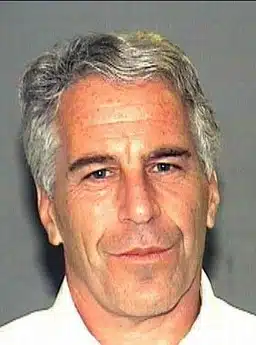
Source: Palm Beach County Sheriff's Department
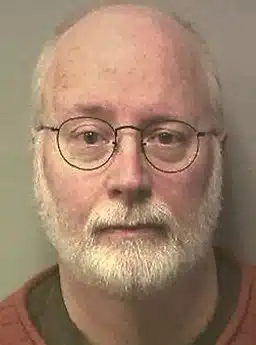
Source: United States Federal Government

Source: Weill Cornell Medicine
Can you hold institutions accountable for sexual abuse that occurred under their supervision? The answer is often yes, but navigating the legal landscape requires understanding key concepts like negligence, vicarious liability, and statutes of limitations. As survivors seek justice, knowing your rights empowers you to take decisive action. This comprehensive guide explores the possibilities, legal pathways, and critical steps to pursue claims against organizations such as schools, churches, youth groups, or workplaces.
In cases of sexual abuse, institutions bear responsibility when their oversight fails, allowing predators to harm vulnerable individuals. Thomas Giuffra, Esq., known as The Abuse Lawyer NY - Expert Sexual Abuse Representation, has extensive experience representing survivors in such matters, securing justice through strategic litigation. His firm emphasizes compassionate support alongside aggressive advocacy and offers free consultations to evaluate your case.
Institutions can be sued for sexual abuse if they knew or should have known about an abuser's dangerous tendencies but failed to act. This principle, rooted in negligence law, holds organizations accountable for creating safe environments. For example, if a teacher, coach, or clergy member abuses someone under the institution's watch, the organization may face claims for negligent hiring, supervision, or retention.
Negligent hiring occurs when an institution employs someone with a known history of misconduct without proper background checks. Negligent supervision involves failing to adequately monitor employees or volunteers, while negligent retention occurs when an organization keeps a known risk on staff despite complaints. These doctrines apply broadly to any supervisory body, from educational settings to religious organizations and sports programs.
Vicarious liability, or respondeat superior, further expands accountability. Under this, employers can be liable for employees' actions performed within the scope of employment. Courts examine whether the abuse occurred during work duties, such as a coach abusing a student during practice. Even if not directly involved, the institution's policies and culture play a pivotal role in determining fault.
Statistics underscore the prevalence of institutional failures. Reports indicate thousands of survivors come forward annually, with many cases tracing back to oversight lapses in trusted organizations. Thomas Giuffra's practice, detailed on his Long Island Sexual Assault Lawyer Services Page, highlights successful pursuits against such entities, demonstrating real-world application of these laws.
To sue an institution, plaintiffs must prove several elements. First, establish that the abuse occurred under the organization's supervision, meaning the victim was in their care, custody, or control. Second, demonstrate that the institution breached its duty of care through inaction or poor policies. Third, show that this breach directly caused the harm.
Evidence is crucial: witness statements, internal complaints, prior incident reports, and employment records often reveal patterns of negligence. Discovery in lawsuits uncovers emails, memos, and HR files that prove knowledge of the risks. Courts award compensatory damages for medical costs, therapy, lost wages, and pain and suffering, plus punitive damages to punish egregious conduct.
Recent legal reforms have expanded windows for filing. The Adult Survivors Act in various jurisdictions revives time-barred claims, allowing historical abuses to be addressed. These changes recognize trauma's long-term impact, delaying reporting. Thomas Giuffra effectively leverages such laws, as noted in his firm's resources on Child Sexual Abuse Lawyer Expertise.
Numerous organizations face liability:
Each context demands tailored strategies. For instance, youth groups face strict scrutiny due to children's vulnerability, while workplaces invoke Title VII for hostile environments.
Immediate action preserves your case:
Avoid direct confrontation with the institution, as it may trigger cover-ups. Professional guidance ensures compliance with reporting protocols while building a robust case.
Institutions mount fierce defenses, claiming immunity, lack of notice, or contributory fault on the part of the victim. Deep pockets fund prolonged litigation, necessitating resilient counsel. Confidentiality agreements in settlements historically silenced survivors, but public awareness shifts dynamics.
Proving knowledge requires piercing corporate veils, often through depositions exposing internal cover-ups. Emotional tolls demand supportive legal teams prioritizing survivor well-being.
Landmark cases illustrate viability. High-profile suits against educational and religious bodies yielded multimillion-dollar settlements, validating institutional accountability. Thomas Giuffra's track record includes securing justice for survivors, emphasizing thorough investigations and expert testimonies.
Strategies include class actions for widespread abuses, leveraging media, and negotiating settlements with non-disclosure agreements. Pre-litigation demands often prompt resolutions without court.
Specialized attorneys bring invaluable expertise. They navigate complexities, counter defenses, and maximize recoveries. Thomas Giuffra, Esq., with decades of experience advocating for survivors, offers personalized strategies. His firm's 24/7 availability and free evaluations remove barriers to justice.
Awards cover:
Structured settlements provide ongoing support, ensuring financial stability.
Thomas Giuffra distinguishes himself through survivor-centric approaches, proven successes, and unwavering commitment. Contact his team for compassionate, effective representation.
Yes, many jurisdictions have extended statutes of limitations through laws like the Adult Survivors Act, reviving claims previously time-barred. These recognize psychological barriers to prompt reporting. Consult an attorney to check eligibility; factors include abuse date, discovery of harm, and jurisdictional rules. Thomas Giuffra's firm evaluates such cases meticulously, helping survivors access justice long after incidents. Documentation strengthens claims, and expert testimony on trauma delays aids courts. Successful revivals have yielded substantial recoveries, affirming that no time limit should silence victims. Act promptly within new windows to preserve evidence and rights.
Key evidence includes witness accounts, internal memos showing prior complaints, employment records revealing inadequate screening, and medical reports confirming abuse. Digital trails, such as emails or surveillance footage, bolster cases. During discovery, attorneys subpoena documents exposing cover-ups. Victim testimonies, corroborated by patterns in multiple reports, prove institutional knowledge. Expert analyses of standard care protocols highlight breaches. Thomas Giuffra's experience uncovers hidden evidence, turning denials into accountability. Preserve all materials early to avoid spoliation claims.
No, religious institutions face liability, like secular ones, for negligence or vicarious liability. Courts reject broad immunity, holding them accountable for clergy or volunteer misconduct under supervision. High-profile cases demonstrate multimillion-dollar payouts after proving failures to report or remove known abusers. First Amendment arguments rarely shield negligence. Specialized lawyers navigate ecclesiastical nuances while pursuing civil remedies. Thomas Giuffra has represented survivors effectively against such entities, emphasizing policy failures over doctrine.
Absolutely, schools owe a duty to protect students and are liable for negligent hiring, supervision, or retention. Evidence of ignored complaints or poor background checks supports claims. Title IX adds federal leverage for gender-based abuses. Settlements often fund education and therapy. Prompt reporting preserves options; attorneys coordinate with administrators and authorities. Thomas Giuffra's firm handles school-related cases with sensitivity, securing justice for impacted youth and families.
Vicarious liability holds employers responsible for employees' torts committed within the scope of employment. If abuse occurs during duties, like a coach's misconduct at practice, the institution pays. Courts assess foreseeability and control. This deters negligence, ensuring organizations monitor staff. Exclusions apply to intentional acts outside the scope, but patterns strengthen arguments. Expert counsel like Thomas Giuffra applies this doctrine strategically to maximize recoveries.
Statutes vary, typically 2-7 years from discovery, with extensions for minors or revival acts. Federal laws like Title IX have three-year limits. Consult immediately; delays risk evidence loss. Thomas Giuffra assesses timelines precisely, filing within windows to protect rights. Reforms continually evolve, so current advice is essential.
Yes, many prefer confidential settlements to avoid reputational damage and the costs of trials. Negotiations yield faster resolutions with significant sums. Attorneys leverage strong evidence for favorable terms. Public pressure accelerates processes. Thomas Giuffra excels at settlements that preserve survivors' dignity while securing compensation.
Definitely, non-economic damages cover PTSD, depression, and life impacts. Therapy records and expert evaluations quantify harm. Juries award substantial amounts recognizing profound effects. Comprehensive claims include all losses. Thomas Giuffra prioritizes holistic recoveries.
Courts apply 'should have known' standards via constructive notice. Patterns or red flags trigger liability. Discovery reveals truths. Aggressive litigation counters denials. Thomas Giuffra's investigations routinely expose oversights.
Yes, legal guidance ensures coordinated reporting, evidence preservation, and protection of rights. Attorneys advise on parallel civil claims. Thomas Giuffra offers free, confidential consultations, empowering informed steps toward justice.
Suing institutions for supervisory sexual abuse is viable with proper evidence and expertise. Survivors deserve accountability; professional support turns pain into justice. Reach out to Thomas Giuffra, The Abuse Lawyer NY, for a free consultation today.
Thomas Giuffra, Esq. - The Abuse Lawyer NY
551 5th Avenue, 29th Floor,
New York, NY 10017
(646) 413-6394
Hours Of Operation
Monday: 24 Hours
Tuesday: 24 Hours
Wednesday: 24 Hours
Thursday: 24 Hours
Friday: 24 Hours
Saturday: 24 Hours
Sunday: 24 Hours
Cases We Handle
Sexual abuse lawyer
Child abuse lawyer
Clergy abuse lawyer
Private boarding school abuse lawyer
Doctor abuse lawyer
Daycare abuse lawyer
Hazing and Bullying abuse lawyer
Massage spa abuse lawyer