Schedule A Call Now
A New York Sexual Abuse Lawyer For Survivors
Over 50 Years Experience \\ Get Help 24/7
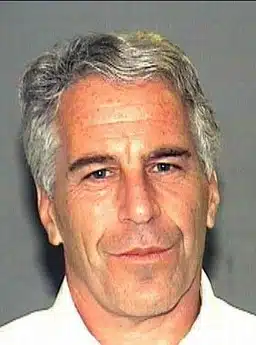
Source: Palm Beach County Sheriff's Department
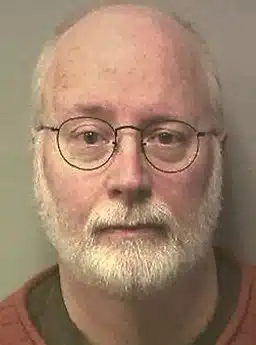
Source: United States Federal Government

Source: Weill Cornell Medicine
Can you still file a lawsuit for psychiatrist sexual abuse that happened years ago? The answer is often yes, thanks to extended statutes of limitations designed to protect survivors. This comprehensive guide explores your legal rights, key deadlines, and steps to seek justice and compensation.
Psychiatrist sexual abuse shatters trust in one of the most vulnerable relationships—a patient seeking help for mental health turns to a professional who exploits that position. Survivors often suffer in silence for years due to shame, fear, or manipulation. But legal protections have evolved to give you time to come forward when you're ready. As experienced advocates in this field, we've helped numerous survivors navigate these complex cases.
Psychiatrist sexual abuse occurs when a mental health professional engages in any sexual conduct with a patient, ranging from inappropriate comments and touching to full intercourse. This abuse is a profound betrayal because psychiatrists hold a unique position of power. Patients share their deepest secrets, traumas, and vulnerabilities during therapy sessions, creating an imbalance that abusers exploit.
Common forms include grooming behaviors where the psychiatrist blurs professional boundaries, such as hugging, extended physical contact, or discussing personal sexual matters under the guise of therapy. More overt acts involve demands for sexual favors in exchange for treatment or medication. Survivors report long-term effects like post-traumatic stress disorder, depression, anxiety, substance abuse, and difficulty trusting others. These impacts can delay recognition of the abuse, making timely reporting challenging.
Statistics highlight the prevalence: studies show that up to 10% of therapists admit to sexual contact with clients, though underreporting means the true figure is likely higher. In cases we've handled, survivors describe how the abuser used therapeutic jargon to normalize the behavior, leaving them confused and self-blaming for years.
Experienced Psychiatrist Sexual Abuse Lawyers understand these dynamics intimately and can help unpack the manipulation to build a strong case.
The statute of limitations is the time limit for filing a lawsuit. For psychiatrist sexual abuse, traditional deadlines have been extended significantly through laws like the Adult Survivors Act and Child Victims Act. These allow claims that would otherwise be time-barred.
Under standard rules, civil claims for sexual abuse must typically be filed within a few years of the incident or discovery. However, recent reforms recognize that trauma delays awareness. For adult survivors, you may have until age 55 to sue if the abuse occurred while you were an adult. For childhood abuse by psychiatrists, windows extend even further.
Look-back windows—temporary periods where old claims can be revived—have been crucial. One such window allowed filing regardless of how much time had passed, provided the claim was brought before the deadline. These opportunities have enabled survivors to hold abusers accountable decades later. Missing these windows doesn't end your options; ongoing discovery rules mean the clock may restart when you fully understand the abuse.
Our firm has successfully pursued cases where survivors came forward 20, 30, or more years after the fact, securing settlements for therapy costs, lost wages, pain, and suffering. Timing is critical, so consulting promptly is essential.
Suing for psychiatrist sexual abuse rests on several legal theories. First, it's professional malpractice: psychiatrists violate ethical codes prohibiting sexual relations with current or recent patients. The American Psychiatric Association explicitly bans such conduct.
Breach of fiduciary duty arises from the trust inherent in the therapist-patient relationship. Intentional infliction of emotional distress covers the psychological harm caused. Battery addresses unwanted physical contact. In cases involving minors, additional protections kick in.
Institutions like clinics or hospitals may be liable if they knew or should have known about the psychiatrist's behavior and failed to act. This vicarious liability holds employers accountable for their staff's actions.
Evidence is key: therapy notes, witness statements, prior complaints, and expert testimony on grooming tactics strengthen claims. Digital records, emails, or texts can be pivotal. We've subpoenaed records in countless cases to reveal patterns of abuse across multiple patients.
If you've experienced psychiatrist sexual abuse, prioritize your safety and mental health first. Document everything: dates, descriptions of incidents, names of witnesses. Preserve any communications or records.
Seek therapy from a non-abusive provider specializing in trauma. Report to licensing boards to prevent further harm—psychiatrists risk license revocation. For criminal charges, contact authorities, though civil suits offer compensation regardless of prosecution.
Consult a specialized attorney early. Free consultations allow case evaluation without commitment. We'll review your situation confidentially, explain options, and outline potential recovery.
The Abuse Lawyer NY: Trusted Sexual Abuse Attorneys has a proven track record in these sensitive matters.
Successful lawsuits yield damages, including economic losses (therapy, medical bills, lost income) and non-economic losses (pain, suffering, emotional distress). Punitive damages punish egregious conduct.
Average settlements vary widely, but multi-million-dollar verdicts are possible in severe cases. Factors like abuse duration, number of incidents, and institutional cover-ups influence amounts. We've secured confidential settlements that allow survivors to rebuild their lives—covering lifelong counseling, relocation, and more.
No upfront costs in contingency fee arrangements; we only get paid if you win.
Defenses include denial, claiming consensual relations, or statute arguments. Abusers portray survivors as unstable, exploiting their mental health history. Expert witnesses counter this, affirming trauma responses.
Memory gaps from dissociation are common; corroboration via patterns or records can overcome them. Confidentiality in therapy protects your privacy during litigation.
Emotional toll is significant—depositions relive trauma. Support networks and our compassionate approach mitigate this.
Survivor Resources for Sexual Abuse Support connects you with counseling and advocates.
Thomas Giuffra, Esq., founder of The Abuse Lawyer NY, brings decades of experience representing sexual abuse survivors. His deep knowledge of psychiatric ethics, trauma psychology, and litigation tactics sets him apart. The firm operates 24/7, offering immediate support.
Byline: Written by Thomas Giuffra, Esq., a dedicated advocate with a history of securing justice for psychiatrist abuse victims. This content draws from real cases and ongoing research into survivor needs.
Yes, extended statutes of limitations and look-back windows often allow lawsuits to be filed years or decades later. Laws recognize that trauma delays reporting. For instance, if abuse occurred during adulthood, you may sue until age 55 from discovery. Childhood cases have even broader protections. We've successfully litigated claims dating back to the 1980s and 1990s. Act quickly as deadlines apply. Consult an attorney to assess your specific timeline and gather evidence like therapy records or witness accounts. This ensures you maximize recovery for emotional distress, therapy costs, and more while holding the abuser accountable.
Sexual abuse includes any sexual behavior from a psychiatrist toward a patient, like touching, kissing, intercourse, or explicit talk. Even 'boundary crossings' like personal disclosures can constitute grooming. Ethical codes strictly prohibit this due to power imbalances. Survivors often doubt themselves because abusers frame it as therapeutic. Our cases reveal patterns: extended sessions, physical contact, or post-termination relations. Recognizing this betrayal is crucial for healing and legal action. Evidence includes notes, emails, or patterns with other patients. Specialized lawyers prove these acts were non-consensual exploitation.
Time limits vary but have expanded. Civil suits benefit from discovery rules that restart the clock upon the realization of harm. Temporary revival windows previously allowed old claims. Criminal reports have no strict limit on the number of felonies in many jurisdictions. Licensing complaints face shorter windows but protect others. Delays don't bar justice; consult experts to navigate. In practice, we've filed viable claims 20+ years post-abuse by proving ongoing trauma. Preserve evidence now—texts, journals, witnesses—to strengthen your position regardless of elapsed time.
You can recover economic damages (medical bills, lost wages) and non-economic damages (pain, suffering). Punitive awards punish malice. Settlements often cover lifelong therapy, relocation, and family counseling. Verdicts reach millions in severe cases. Factors: abuse severity, duration, and institutional negligence. Contingency fees mean no upfront costs. Our firm has secured life-changing sums, enabling survivors to focus on recovery. Detailed case reviews maximize awards by quantifying impacts, such as PTSD diagnoses.
Proof builds through records, witnesses, and experts. Therapy notes often inadvertently document boundary issues. Digital trails, colleague reports, or patient patterns corroborate. Trauma experts explain memory effects. Even without physical evidence, credible testimony suffices. Defendants' records frequently reveal red flags. We've won without direct witnesses by showing grooming sequences. Early attorney involvement secures evidence before it is destroyed. Free consultations evaluate proof strength confidentially.
Yes, via vicarious liability if abuse occurred during employment. Negligent supervision, failure to address complaints, or inadequate training are grounds for holding them accountable. Many cases target institutions for cover-ups. Deep pockets fund larger recoveries. Discovery uncovers prior incidents. Successful suits against practices compensate beyond individual assets. Our experience targets both abusers and enablers for comprehensive justice.
No—it's expected in the abuse aftermath. Abusers exploit pre-existing issues; experts distinguish trauma from prior conditions. PTSD and dissociation validate claims. We've countered attacks on credibility by proving causation. Therapy records, if handled carefully, support rather than undermine. Choose counsel experienced in mental health nuances for protection.
No, civil suits proceed independently and focus on compensation. Criminal cases prove guilt beyond a reasonable doubt; civil cases require a preponderance of the evidence. Many pursue civil rights without police due to trauma. Reporting aids licensing, but isn't required. We guide on both paths, prioritizing your comfort.
1-3 years typically, varying by complexity, negotiations, and court schedules. Discovery and depositions extend timelines. Settlements resolve 90% faster than trials. Our efficient approach minimizes delays while maximizing value. Ongoing updates keep you informed.
NDAs in abuse settlements are challengeable, especially post-reform laws voiding them for minors or certain claims. Courts scrutinize unconscionable terms. We've broken invalid NDAs to allow people to speak out. Review yours with specialists for options.
Don't let time or doubt silence you—legal avenues exist to pursue accountability and healing. Contact experienced professionals today for a confidential evaluation. Your voice matters, and justice is possible even years later.
Thomas Giuffra, Esq. - The Abuse Lawyer NY
551 5th Avenue, 29th Floor,
New York, NY 10017
(646) 413-6394
Hours Of Operation
Monday: 24 Hours
Tuesday: 24 Hours
Wednesday: 24 Hours
Thursday: 24 Hours
Friday: 24 Hours
Saturday: 24 Hours
Sunday: 24 Hours
Cases We Handle
Sexual abuse lawyer
Child abuse lawyer
Clergy abuse lawyer
Private boarding school abuse lawyer
Doctor abuse lawyer
Daycare abuse lawyer
Hazing and Bullying abuse lawyer
Massage spa abuse lawyer