Schedule A Call Now
A New York Sexual Abuse Lawyer For Survivors
Over 50 Years Experience \\ Get Help 24/7
 SCHEDULE A CALL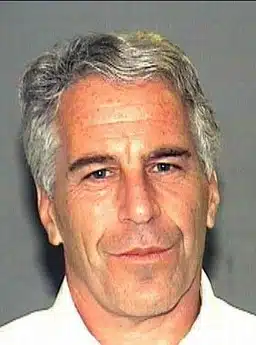
Source: Palm Beach County Sheriff's Department

Source: United States Federal Government

Source: Weill Cornell Medicine
Can you file a sexual abuse lawsuit against a school or religious organization? The answer is yes, survivors have legal pathways to seek justice and compensation when institutions like schools or religious groups fail to protect them from abuse. This comprehensive guide explores your rights, the legal process, key statutes, and practical steps to pursue a claim, drawing on proven expertise in representing survivors.
Sexual abuse by individuals within schools or religious organizations is a profound betrayal of trust. When these institutions knew or should have known about the risk and did nothing, they can be held accountable through civil lawsuits. Survivors can pursue claims for negligence, failure to supervise, and cover-ups that enabled the abuse. Over decades, countless cases have demonstrated that institutions bear responsibility for protecting vulnerable individuals, especially children, under their care.
The legal foundation rests on principles of institutional liability. Schools have a duty of care to students, including vetting teachers, monitoring behavior, and responding to complaints. Religious organizations similarly must safeguard members, particularly minors, from predatory clergy or staff. When they prioritize reputation over safety, lawsuits can recover damages for medical expenses, therapy, lost wages, pain and suffering, and punitive awards to deter future misconduct.
Recent legislative changes have extended time limits for filing, recognizing that trauma often delays disclosure. These laws empower survivors who were silenced or dismissed, allowing claims long after the abuse occurred. Our firm, led by experienced attorneys, has guided numerous survivors through these processes, securing justice against powerful entities.
Suing a school for sexual abuse hinges on proving negligence. Schools must maintain safe environments, including background checks for employees, training to recognize signs of abuse, and protocols for reporting suspicions. If a teacher, coach, or administrator abuses a student and the school ignores red flags—like prior complaints or inappropriate relationships—it faces liability.
Common scenarios include grooming behaviors overlooked by staff, cover-ups to avoid scandal, or reassigning abusers without notification. Courts have awarded substantial settlements in such cases, affirming that schools cannot evade responsibility. For instance, evidence like internal memos, witness statements, or patterns of complaints strengthens claims. Survivors often uncover that schools prioritized enrollment numbers or donor relations over student safety.
The process involves gathering documentation such as report cards showing behavioral changes, medical records of injuries, or communications with school officials. Expert testimony from child psychologists explains grooming tactics, while institutional experts detail standard safety protocols breached. With skilled representation, survivors navigate discovery to uncover hidden records, resulting in favorable outcomes.
Statutes of limitations vary, but extensions for minors and discovery rules allow adult survivors to file when they connect past abuse to current trauma. This ensures that no one is time-barred solely because of delayed realization. Contacting a specialized attorney early preserves evidence and meets deadlines.
Religious organizations, including churches, temples, and mosques, hold positions of moral authority, making their failures in abuse cases particularly egregious. Clergy abuse lawsuits target not just the perpetrator but the hierarchy that shuffled offenders between parishes or suppressed reports. Doctrines like the confessional seal have been challenged, with courts increasingly allowing claims based on negligent supervision.
Key elements include proving the organization had knowledge of the abuser's history and failed to act. Dioceses and other bodies often maintained secret files on predatory priests, which plaintiffs' attorneys subpoena to build cases. Vicarious liability applies when abuse occurs during official duties, holding the institution directly responsible.
Survivors report patterns: abusers groomed victims under the guise of spiritual guidance, with leaders dismissing allegations as spiritual trials. Successful lawsuits have led to multimillion-dollar verdicts, forcing transparency and policy reforms. Bankruptcy filings by some dioceses have not halted claims, as trust funds compensate victims.
Emotional barriers, such as shame or fear of ostracism, deter reporting, but confidential consultations with attorneys provide a safe starting point. Legal teams coordinate with survivor networks to corroborate claims and, where appropriate, amplify individual voices into class actions.
Transformative legislation has revived expired claims. The Adult Survivors Act and similar measures suspend statutes of limitations for one year, allowing civil suits regardless of prior deadlines. The Child Victims Act extended windows for childhood abuse, creating lookback periods where thousands filed against institutions.
These laws acknowledge psychological realities: many suppress memories or fear reprisal until later in life. They apply to both public and private entities, including parochial schools and nonprofits. Procedural rules require notice to government-run schools, but private religious groups face direct suits.
Criminal statutes complement civil actions; convictions bolster lawsuits with evidence. Federal laws like Title IX mandate that schools receiving funds report abuse, with noncompliance inviting suits. Religious freedoms do not shield negligence, as courts balance rights without excusing harm.
Attorneys monitor legislative updates to ensure claims align with current frameworks. These acts have unlocked billions in settlements, validating survivors' experiences and pressuring institutions to account for their actions.
Initiating a lawsuit begins with a confidential consultation. Share your story with an attorney experienced in these cases; they assess viability without commitment. Next, investigate by collecting records, identifying witnesses, and subpoenaing institutional documents.
Filing the complaint includes the complaint details, allegations, defendants, and the requested relief. Discovery uncovers evidence, often revealing cover-ups. Mediation or settlement talks follow, but trials proceed if needed. Throughout, attorneys handle communications, shielding you from retraumatization.
Timelines span months to years, but interim payments sometimes occur. No upfront fees under contingency models mean justice is accessible. Post-resolution, support referrals aid healing.
Experienced Sexual Abuse Lawyers for Survivor Justice – our dedicated team provides this roadmap with proven results.
Strong cases rely on corroboration. Personal journals, therapy notes, and contemporaneous complaints form the core. Witness accounts from peers or family members who notice changes add weight. Digital evidence, such as emails or texts, can prove grooming.
Institutional records—personnel files, incident reports, and insurance claims—expose negligence. Expert analyses link abuse to lifelong impacts like PTSD, depression, or substance issues. Statistical patterns of multiple victims undermine denials.
Attorneys employ investigators for deeper digs, uncovering suppressed police reports or financial trails from hush money. Polygraphs, while inadmissible, guide strategy. Comprehensive preparation maximizes leverage for settlements or verdicts.
Defendants deploy defenses such as statute-of-limitations defenses (countered by revival laws), consent claims (invalid for minors or by coercion), or immunity arguments (rarely successful). Emotional tolls require therapist support; attorneys manage stress.
Resource disparities favor institutions, but specialized firms level the field with trial readiness. Public scrutiny aids plaintiffs, as #MeToo amplified voices. Persistence yields results, as seen in landmark payouts.
Awards cover economic losses (therapy, lost income) and non-economic damages (trauma, humiliation). Punitive damages punish egregious conduct. Settlements average hundreds of thousands to millions, varying by abuse severity, impact, and institutional wealth.
Structured payouts ensure long-term security. Tax-free portions apply to physical injuries. Attorneys negotiate caps off tables for full value.
Thomas Giuffra, Esq., known as The Abuse Lawyer NY, has dedicated decades to survivors. Licensed in New York, he has handled clergy, school, and institutional cases with compassionate ferocity. His firm operates 24/7 and offers free evaluations. Partner Sherri L. Plotkin bolsters the team with abuse advocacy expertise.
Real cases demonstrate impact: survivors against dioceses and schools secured life-changing compensation. Thomas's advocacy extends to legislative efforts to advance survivor rights. Trust a firm that understands the nuances.
For tailored guidance on Expert Sexual Abuse Attorney for Institutional Cases, reach out today.
Explore further with our Child Sexual Abuse Legal Support Resources.
Confidentiality agreements safeguard privacy; NDAs prevent silencing. Media strategies control narratives. Financial planning post-award ensures stability. Holistic support includes referrals to counselors specializing in trauma recovery.
Legal ethics demand client-first approaches and the avoidance of conflicts. Transparent fee structures build trust. Victory means empowerment, closing chapters on abuse.
Yes, revival statutes like the Adult Survivors Act and Child Victims Act allow claims long after abuse, even if statutes of limitations have expired. These laws recognize that survivors often process trauma later in life, providing lookback windows or permanent extensions for minors. For example, one-year filing periods have enabled thousands to sue schools for past negligence. Consult an attorney to confirm eligibility based on your timeline and circumstances. Evidence of institutional cover-ups strengthens delayed claims, as courts prioritize justice over technical bars. Our firm has successfully navigated these extensions, helping survivors hold schools accountable without time-based dismissals. Detailed case reviews ensure no viable claim is missed, maximizing recovery potential.
Key evidence includes your testimony, corroborated by witnesses, medical records, or institutional documents, such as personnel files, showing prior complaints. Patterns of abuse across victims prove negligence. Subpoenas reveal secret archives that many organizations maintained on offenders. Therapy notes document psychological harm, while experts testify on grooming tactics unique to religious settings. Digital records, such as emails dismissing allegations, are powerful. Even without physical proof, consistent accounts and institutional failures suffice for liability. Attorneys build comprehensive dossiers, often uncovering more during discovery. Successful cases against dioceses relied on such evidence, leading to massive settlements. Preserve any memorabilia or notes from the time for authenticity.
No, schools lack blanket immunity; they owe a duty of care breached by ignoring abuse risks. Public schools are subject to notice requirements under tort claims acts, but private and parochial schools are not. Title IX violations for federally funded institutions add federal claims. Courts reject immunity when negligence is clear, as in the case of reassigning known abusers. Precedents affirm liability for failure to train or supervise. Survivors have won against boards prioritizing reputation. Specialized lawyers counter immunity defenses effectively, ensuring institutions face consequences. Early filing preserves rights against procedural hurdles.
Timelines vary from months for quick settlements to 2-3 years for trials. Investigations and discovery take 6-12 months, followed by negotiations. Complex institutional cases with multiple victims extend the process, but interim payments still occur. Experienced attorneys expedite via strong evidence and negotiation leverage. Mediations resolve 90% without trial. Post-filing, regular updates keep you informed. Factors like defendant cooperation influence speed. Our firm streamlines processes, focusing on efficient justice while preparing for prolonged fights if needed. Patience yields thorough results.
Yes, pseudonyms protect identities in filings and public records, especially for minors or high-profile defendants. Courts grant anonymity motions, balancing privacy rights against fair-trial rights. Settlements include confidentiality clauses. Public trials allow closed sessions for testimony. Attorneys shield details from the media. This preserves reputations and safety, crucial given stigma. Many landmark cases proceeded anonymously, securing justice without exposure. Discuss options early to tailor protections.
Damages include medical costs, therapy, lost earnings, pain, suffering, and punitive damages for malice. Awards range from $100,000 to millions, based on abuse duration, impact, and negligence. Economic losses calculate lifetime needs; non-economic cover emotional scars. Structured annuities provide security. Verdicts against religious bodies have totaled more than $500 million. Negotiations yield confidential sums exceeding public figures. Forensic accountants maximize valuations. No caps apply in many jurisdictions, ensuring full restitution.
No, reputable firms offer free, confidential consultations with no obligation. Contingency fees mean payment only from winnings, typically 33-40%. This accessibility ensures all survivors access justice regardless of finances. Case evaluations assess strength without charge. Our 24/7 availability facilitates prompt reviews. Understand terms upfront for trust. This model aligns incentives for maximum recovery.
Yes, estates or institutions remain liable. Claims proceed against representatives or negligent parties. Revival laws apply equally. The evidence focuses on institutional failures that enabled the abuse. Successful suits against the estates of deceased clergy have compensated families. No closure denied by death; justice persists through civil actions. Attorneys target solvent defendants, such as dioceses holding reserves.
Bankruptcies create victim trust funds distributing assets equitably. Claims continue via special processes, often yielding partial recoveries. Priority status protects survivors. Lawyers navigate proceedings for optimal shares. Diocesan cases established models, paying billions. Persistence accesses these funds without derailing claims.
Contact a specialized attorney for a free consultation. Provide basic details; they guide evidence collection and filing. Preserve documents privately. No police report required for civil suits. Expect empathetic handling that prioritizes your comfort. Our firm, The Abuse Lawyer NY, offers immediate support. First steps empower lasting change.
In summary, filing a sexual abuse lawsuit against a school or religious organization is viable and often successful with expert guidance. Take the first step toward accountability and healing today.
Thomas Giuffra, Esq. - The Abuse Lawyer NY
551 5th Avenue, 29th Floor,
New York, NY 10017
(646) 413-6394
Hours Of Operation
Monday: 24 Hours
Tuesday: 24 Hours
Wednesday: 24 Hours
Thursday: 24 Hours
Friday: 24 Hours
Saturday: 24 Hours
Sunday: 24 Hours
Cases We Handle
Sexual abuse lawyer
Child abuse lawyer
Clergy abuse lawyer
Private boarding school abuse lawyer
Doctor abuse lawyer
Daycare abuse lawyer
Hazing and Bullying abuse lawyer
Massage spa abuse lawyer