Schedule A Call Now
A New York Sexual Abuse Lawyer For Survivors
Over 50 Years Experience \\ Get Help 24/7
 SCHEDULE A CALL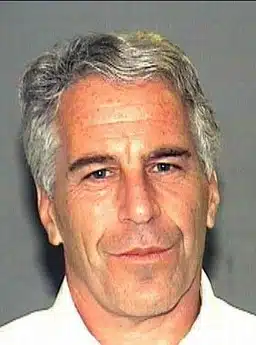
Source: Palm Beach County Sheriff's Department

Source: United States Federal Government

Source: Weill Cornell Medicine
School sexual abuse can leave lifelong scars, but many survivors wonder if justice is still possible years later. Yes, you may be able to seek compensation even if the abuse happened long ago, thanks to extended legal windows designed to protect victims.
This comprehensive guide explores your rights, the legal pathways available, key statutes that revive old claims, and practical steps to pursue compensation. Drawing from extensive experience handling such sensitive cases, we aim to empower survivors with clear, actionable information. At Survivors of Abuse NY: Trusted Sexual Abuse Attorneys, our team has dedicated decades to fighting for victims, ensuring every detail is handled with compassion and expertise.
School sexual abuse refers to any form of sexual misconduct by educators, coaches, staff, or others in positions of authority within educational settings against students. This includes inappropriate touching, grooming, exploitation, assault, or any boundary-crossing behavior that violates trust. Such acts shatter a child's sense of safety and can lead to profound psychological trauma, including PTSD, depression, anxiety, substance abuse, and difficulties in forming healthy relationships.
Survivors often suppress memories or fear speaking out due to shame, intimidation, or disbelief from authorities. Years, even decades, may pass before victims feel ready to come forward. The good news is that modern laws recognize this pattern of delayed disclosure, providing mechanisms to hold perpetrators and institutions accountable regardless of the time elapsed.
Compensation isn't just financial—it's validation. It covers therapy costs, lost wages from trauma-induced career setbacks, medical bills, and pain and suffering. Successful claims have awarded millions to survivors, helping them rebuild lives stolen by abusers.
Traditional statutes of limitations barred many old claims, but reforms have created revival windows. The Child Victims Act, for instance, opened a one-year lookback period allowing survivors of any age to file suits for abuse that occurred when they were minors, no matter how long ago. This landmark legislation acknowledged that child victims need time to process and report.
Even after that window, laws like the Adult Survivors Act extended opportunities further, permitting claims for abuses suffered before age 18 up to age 55. These acts suspend typical time limits, enabling justice for historical cases. Institutions like schools face heightened liability if they knew of risks and failed to act—known as negligent supervision or failure to report.
For teacher-student sexual abuse specifically, specialized attorneys focus on proving grooming patterns, institutional cover-ups, and violations of mandatory reporting duties. Our firm has successfully navigated these nuances, securing settlements that reflect the full extent of the harm.
Victims can pursue various damages:
Average settlements range widely but often exceed six figures, with some reaching seven or eight. Factors influencing the amount include abuse severity, duration, the perpetrator's position, evidence strength, and institutional involvement. Learn more about Teacher-Student Sexual Abuse Legal Support and Free Consultations to understand tailored strategies.
Claims target not just individuals but schools, districts, and insurers, who hold deep pockets. Vicarious liability holds employers responsible for employees' actions within their job scopes.
Gathering evidence is challenging but feasible. Key elements include:
Many cases settle pre-trial to avoid public scrutiny, but litigation uncovers cover-ups. Our experienced team employs investigators, forensic experts, and collaborates with survivor networks for additional validation.
1. Document Everything: Write a detailed timeline, preserve any mementos or records.
2. Seek Support: Contact therapists specializing in trauma.
3. Consult a Lawyer: Free evaluations assess claim viability.
4. File Promptly: Windows can close; act within lookback periods.
5. Preserve Confidentiality: NDAs protect privacy in settlements.
Time is critical, but hope exists. For related guidance, explore our Child Sexual Abuse Claims and Revival Windows Explained.
Defenses like lapsed time or lack of evidence arise, but revival acts counter them. Emotional tolls are real—lawyers handle filings while you focus on healing. Victim-blaming persists, but expert advocacy shifts narratives to institutional failures.
Success rates improve with specialized counsel. Thomas Giuffra, Esq., with over 50 years in sexual abuse litigation, has represented countless survivors, leveraging deep knowledge of precedents and negotiation tactics.
One client, abused by a coach in their teens, came forward 20 years later. Through diligent investigation, we uncovered prior complaints that the school had ignored. The case settled for a substantial sum, funding lifelong therapy and affirming the survivor's courage.
Another involved grooming by a teacher spanning years. Despite faded memories, therapy notes, and witness affidavits, an ironclad case was built. The institution paid dearly for concealment, setting a precedent for accountability.
These aren't hypotheticals—our track record includes multimillion-dollar recoveries, proving old claims can yield justice.
Not all lawyers grasp the complexities of trauma or institutional defenses. Seasoned firms like ours offer:
With accolades in high-profile cases, our team turns pain into power.
Yes, special laws like the Child Victims Act and Adult Survivors Act create lookback windows that allow survivors to file claims for abuse from their childhood, even if many years have passed. These reforms recognize that victims often need substantial time to come forward due to trauma, shame, or fear. During these periods, traditional statutes of limitations are suspended, enabling suits against perpetrators and negligent institutions. Our firm has successfully handled cases where survivors reported abuse from 20, 30, or more years prior, securing compensation through revived claims. The key is to act within any remaining windows and gather supporting evidence, such as personal accounts or institutional records. Consulting an attorney early ensures you maximize these opportunities before deadlines pass. Many survivors find empowerment in this process, transforming silence into accountability.
Evidence can include your detailed testimony, which courts view as highly credible in these matters, along with any contemporaneous records such as school reports, emails, or witness statements from peers or staff. Even without physical proof, patterns of behavior— like prior complaints against the abuser—strengthen cases significantly. Psychological evaluations demonstrate long-term harm, while expert witnesses explain delayed reporting. Our attorneys employ private investigators to uncover hidden documents and collaborate with survivor advocacy groups to obtain additional corroboration. In one case, faded yearbooks and old letters proved pivotal. Digital forensics can recover old communications, too. The burden is on proving abuse more likely than not occurred, and revival laws ease this for historical claims. Start by documenting your recollection thoroughly; a lawyer will guide evidence collection professionally and confidentially.
Compensation varies based on abuse severity, duration, impact, and institutional negligence, but often ranges from hundreds of thousands to millions. Economic damages cover therapy, medical costs, and lost income; non-economic damages address pain and suffering. Punitive awards punish cover-ups. Notable settlements have exceeded $10 million for egregious cases. Factors like the abuser's authority role and the school's failure to act boost values. Our firm's outcomes reflect this: clients have received life-changing sums enabling healing and security. No two cases are identical, so personalized evaluations predict potential. Contingency arrangements mean you pay nothing upfront, only succeeding together. Many opt for confidential settlements to avoid trials, preserving privacy while gaining justice.
Absolutely, under vicarious liability and negligent supervision doctrines. If schools knew or should have known of risks—via complaints or red flags—and failed to intervene, they bear responsibility. Mandatory reporting laws amplify this. Cover-ups, reassignments without discipline, or ignoring patterns trigger massive liability. Claims target insurers and districts with the resources to fully compensate. We've won against institutions concealing abuse to protect reputations, forcing policy changes. Providing notice is key; internal memos or whistleblowers often surface in discovery. Survivors deserve institutions prioritizing safety over secrecy.
Revival windows are temporary—e.g., one-year lookbacks—but ongoing age-based extensions apply, like up to age 55 for childhood abuse. Once the windows close, standard limits are reset to discovery. Missing deadlines risks barring claims forever. Track legislative updates, as more reforms emerge. Prompt consultation clarifies your timeline. Our team monitors changes to ensure clients' files are optimally organized. Many windows have passed, but individual circumstances may still allow action.
You can still pursue the institution or estate. Schools hold liability regardless, backed by insurance. Deceased abusers' assets or policies pay out. We've recovered from estates and deep-pocketed entities when individuals lacked means. The focus shifts to the negligent parties to ensure compensation flows.
Yes, through pseudonyms in filings, sealed records, and confidential settlements. Privacy protections shield identities. Public trials are rare; most resolve privately. Our approach prioritizes your comfort throughout.
Criminal reports can bolster civil cases with investigations yielding evidence, but they're separate. Civil suits seek compensation; criminal punishments for crime. Coordinate with counsel to align strategies without prejudice.
From consultation to resolution: typically 1-3 years. Discovery, negotiations, and potential mediation vary. Settlements accelerate; trials lengthen. We expedite where possible to minimize stress.
Yes, initial consultations are free and confidential. We work on contingency—no fees unless we win. This aligns incentives for maximum recovery.
If school sexual abuse haunts your past, compensation and closure are within reach. Contact experienced attorneys who understand your fight. Your voice matters—reclaim your power.
Thomas Giuffra, Esq. - The Abuse Lawyer NY
551 5th Avenue, 29th Floor,
New York, NY 10017
(646) 413-6394
Hours Of Operation
Monday: 24 Hours
Tuesday: 24 Hours
Wednesday: 24 Hours
Thursday: 24 Hours
Friday: 24 Hours
Saturday: 24 Hours
Sunday: 24 Hours
Cases We Handle
Sexual abuse lawyer
Child abuse lawyer
Clergy abuse lawyer
Private boarding school abuse lawyer
Doctor abuse lawyer
Daycare abuse lawyer
Hazing and Bullying abuse lawyer
Massage spa abuse lawyer