Schedule A Call Now
A New York Sexual Abuse Lawyer For Survivors
Over 50 Years Experience \\ Get Help 24/7
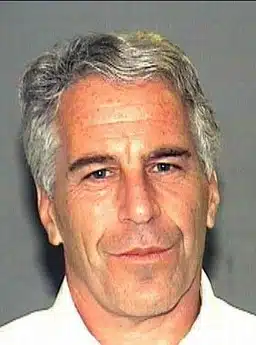
Source: Palm Beach County Sheriff's Department

Source: United States Federal Government

Source: Weill Cornell Medicine
Can you settle a sexual abuse case confidentially? This question weighs heavily on many survivors seeking justice without the added trauma of public exposure. As a survivor, the idea of reliving your experience in open court can feel overwhelming. The good news is that confidential settlements are often possible in sexual abuse cases, offering privacy while still pursuing compensation. At The Abuse Lawyer NY Sexual Abuse Experts, we specialize in guiding survivors through these sensitive matters with compassion and expertise.
Understanding the nuances of confidential settlements requires deep knowledge of civil litigation processes for sexual abuse claims. These cases typically involve non-disclosure agreements (NDAs) that protect both parties' identities and details. Our firm, led by Thomas Giuffra, Esq., known as The Abuse Lawyer NY, has handled thousands of such cases, focusing solely on sexual abuse representation. This singular focus ensures we bring unparalleled expertise to every negotiation.
A confidential settlement in a sexual abuse case is an agreement where the victim receives compensation from the abuser, their institution, or an insurer, in exchange for not publicly disclosing the case details. This often includes sealing court records, signing NDAs, and, in some cases, anonymizing the parties involved. Unlike public trials, which can expose intimate details, confidential resolutions prioritize the survivor's privacy.
From our experience representing survivors of various forms of sexual abuse—including child sexual abuse, clergy abuse, and institutional abuse—we've seen how these settlements provide closure without media scrutiny. Thomas Giuffra, Esq., draws on years of experience in the legal field, initially in corporate and insurance law, before dedicating his practice to abuse victims. His background equips him to negotiate favorable, private terms that insurers respect.
The process begins with a thorough case evaluation. We assess the nature, severity, availability of evidence, and potential liability of the abuse. Compensation can cover medical bills, therapy, lost wages, and pain and suffering. Importantly, confidentiality doesn't diminish the payout; skilled negotiation often secures substantial awards discreetly.
Sexual abuse lawsuits fall under civil law, distinct from criminal prosecutions. In civil suits, victims sue for damages, and settlements are common—over 95% of cases resolve this way. Courts routinely approve confidentiality clauses, especially when they protect vulnerable parties, such as survivors.
Key elements include:
Our firm's exclusive focus on sexual abuse cases means we navigate these tools expertly. We've secured confidential resolutions in settings like schools, daycares, medical offices, and religious institutions, always prioritizing survivor control over disclosure.
Opting for confidentiality offers profound advantages:
In our practice, we've witnessed countless survivors reclaim their lives through these private agreements. One common scenario involves institutional abuse, in which organizations prefer quiet settlements to protect their reputations. Thomas Giuffra's negotiation prowess, honed from insurance defense experience, flips this to the survivors' advantage.
Moreover, confidential settlements don't preclude therapy or support networks. Many clients continue counseling, bolstered by funds for long-term care. Our team provides ongoing guidance, ensuring settlements reflect lifetime impacts like PTSD, relationship strains, and career disruptions.
No option is perfect. Critics argue that confidentiality might shield abusers from accountability. However, for many survivors, personal justice trumps public exposure. We've advised clients on balancing these—some pursue partial publicity, like anonymous stories, post-settlement.
Drawbacks include:
Our thousands of handled cases demonstrate strategic mitigation. For instance, in clergy abuse matters, we've negotiated settlements with institutional reforms embedded confidentially.
Securing confidentiality follows a structured path:
Expert Sexual Abuse Legal Support Services like ours streamline this, leveraging relationships with insurers for swift, private outcomes.
Most sexual abuse victims qualify, regardless of age at abuse or reporting. Cases span child abuse, adult assault, workplace harassment, and more. Statutes of limitations vary, but many jurisdictions extended windows for childhood cases.
Strong cases feature corroboration: medical evidence, prior complaints, patterns of behavior. Even without credible testimony, it often suffices. Our firm handles all types, from child sexual abuse lawyer services to hazing and medical abuse.
Don't go alone. Attorneys like Thomas Giuffra, Esq., bring:
His pivot from corporate law to plaintiff work underscores his commitment to underdogs. The firm's 24/7 availability ensures support anytime.
Confidentiality doesn't cap value. Amounts depend on abuse duration, injuries, and the defendant's resources. We've seen multimillion-dollar private awards for severe cases. Factors include:
Expert witnesses bolster valuations discreetly.
Myth 1: They're only for high-profile cases. Reality: Accessible to all viable claims.
Myth 2: Courts ban them. Reality: Widely approved.
Myth 3: Lower payouts. Reality: Often higher to buy silence.
Settling confidentially requires introspection. We recommend therapy integration. Clients often report relief post-settlement, focusing on recovery. Our holistic approach connects survivors to resources.
After signing, monitor compliance. Funds can be used for therapy, relocation, and education. Some pursue anonymous advocacy. We offer continued counsel.
Yes, confidential settlements are standard in sexual abuse civil cases. They involve NDAs, sealed records, and anonymous proceedings, protecting your privacy while securing compensation. Our firm, specializing exclusively in sexual abuse, has negotiated thousands of such resolutions. Factors like case strength and defendant willingness influence feasibility. We start with a free consultation to assess your options and ensure the process respects your emotional needs. Unlike criminal cases, civil suits prioritize the victim's control, making confidentiality highly achievable without sacrificing justice or a fair payout.
A typical agreement outlines compensation details, NDA terms prohibiting disclosure of facts, amounts, or parties, release of claims, and non-disparagement clauses. It may include confidentiality for evidence and future claims waivers. Courts review for fairness, especially in minor-involved cases. Our experienced team drafts ironclad agreements, embedding protections like periodic payments or structured annuities for long-term needs. We've handled diverse cases—from child to clergy abuse—ensuring comprehensive coverage tailored to survivor priorities, always prioritizing enforceability and peace of mind.
Timelines vary from 3 to 18 months, depending on the complexity of the evidence and negotiations. Simple cases with cooperative defendants resolve faster; contested ones take longer. Our firm's insurance expertise accelerates processes, often concluding in under a year. Steps include investigation (1-3 months), demands (1 month), negotiations (2-6 months), and finalization (1-2 months). 24/7 availability and proven strategies minimize delays, enabling survivors to access funds for therapy and recovery more quickly.
While public trials amplify deterrence, confidential settlements often include institutional reforms, such as training or monitoring, thereby indirectly protecting others. Criminal accountability remains separate—civil settlements don't impact prosecutions. Many survivors choose privacy for healing, and we've incorporated accountability measures discreetly. This balance empowers victims, providing compensation and subtle systemic change without public trauma.
Most emotional distress and pain/suffering awards are non-taxable, but punitive or lost wages portions may be. We structure settlements tax-efficiently, consulting specialists. Post-2017 tax laws clarified the status of many abuse awards, and our cases reflect optimized planning for maximum net recovery.
Absolutely. Guardians file on behalf of minors, with court oversight ensuring fairness. Settlements fund trusts for future needs. Our child sexual abuse expertise navigates guardian ad litem appointments and approvals seamlessly, protecting young survivors' futures confidentially.
Violations trigger penalties like liquidated damages or voided agreements. We include strong enforcement clauses and monitor compliance. Court intervention enforces terms swiftly, preserving your privacy and award.
Credible testimony often suffices, bolstered by patterns or records. Our investigative resources build compelling packages, even in delayed reports. Thousands of successful cases prove the viability across the evidence spectrum.
Yes, using pseudonyms like "John Doe" in filings, with sealed records. Defendants and courts accommodate this routinely in abuse cases, safeguarding identities completely.
No, we offer free, confidential evaluations on a contingency basis—no win, no fee. This risk-free approach lets survivors explore options with trusted sexual abuse specialists.
Confidential settlements empower sexual abuse survivors to seek justice privately, reclaiming control and compensation without public ordeal. With specialized guidance from The Abuse Lawyer NY, you can navigate this path confidently. Contact us for your free consultation—your story deserves expert advocacy.
Thomas Giuffra, Esq. - The Abuse Lawyer NY
551 5th Avenue, 29th Floor,
New York, NY 10017
(646) 413-6394
Hours Of Operation
Monday: 24 Hours
Tuesday: 24 Hours
Wednesday: 24 Hours
Thursday: 24 Hours
Friday: 24 Hours
Saturday: 24 Hours
Sunday: 24 Hours
Cases We Handle
Sexual abuse lawyer
Child abuse lawyer
Clergy abuse lawyer
Private boarding school abuse lawyer
Doctor abuse lawyer
Daycare abuse lawyer
Hazing and Bullying abuse lawyer
Massage spa abuse lawyer