
Schedule A Call Now
A New York Sexual Abuse Lawyer For Survivors
Over 50 Years Experience \\ Get Help 24/7
 SCHEDULE A CALL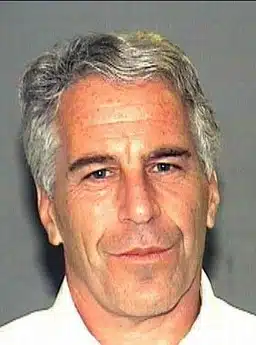
Source: Palm Beach County Sheriff's Department

Source: United States Federal Government

Source: Weill Cornell Medicine
Can You Get Compensation for Sexual Abuse Years Ago? If you've endured sexual abuse that occurred many years in the past, you might wonder if justice and financial recovery are still possible. The answer is often yes, thanks to evolving legal frameworks designed to protect survivors. As dedicated advocates at The Abuse Lawyer NY - Sexual Abuse Experts, we specialize in helping survivors navigate these complex paths to compensation. Our firm understands the profound, lasting impact of such trauma and is committed to securing the justice you deserve.
Sexual abuse leaves deep emotional, psychological, and sometimes physical scars that don't fade with time. Survivors often delay coming forward due to fear, shame, or lack of awareness about their rights. However, recent legal changes have extended the window of opportunity to file claims, even decades after the incident. This comprehensive guide explores the key factors determining eligibility for compensation, the types of claims available, the process involved, and essential steps to take. Drawing from our extensive experience representing survivors, we'll provide clear, actionable insights to empower you.
The statute of limitations refers to the time frame within which you must file a legal claim after an abusive incident. Traditionally, these periods were short, often just a few years, which left many survivors without recourse if they came forward later. However, in response to widespread recognition of the long-term effects of trauma, laws have been reformed significantly.
For adult survivors of sexual abuse, many jurisdictions now allow claims to be filed within several years of discovering the full extent of the harm or when the survivor reaches a certain age. More crucially, specific windows have been opened for childhood sexual abuse cases. These "lookback windows" provide a limited time during which survivors can file regardless of how much time has passed since the abuse occurred. Our firm has successfully represented numerous clients through these provisions, helping them overcome what once seemed insurmountable barriers.
Consider the psychological barriers: repressed memories, fear of retaliation, or simply prioritizing survival over legal action. Legal reforms acknowledge that trauma can delay recognition of one's right to sue. For instance, the "discovery rule" in many places tolls the statute until the survivor reasonably discovers the connection between the abuse and their injuries. This is particularly vital for cases involving grooming or institutional cover-ups, where the full scope of wrongdoing emerges over time.
Our experience shows that these changes have led to thousands of survivors stepping forward. We've seen cases where abuse from 20, 30, or even 40 years ago resulted in substantial settlements, funding therapy, lost wages recovery, and more. If your abuse happened years ago, don't assume it's too late—consulting with experienced attorneys can clarify your specific eligibility.
Compensation isn't just about money; it's about validation, healing, and holding perpetrators accountable. Successful claims can yield various damages, including:
In our practice at The Abuse Lawyer NY, we've secured multimillion-dollar verdicts and settlements for survivors. One notable aspect is pursuing claims against institutions—schools, religious organizations, youth groups, or employers—that failed in their duty of care. Vicarious liability allows holding these entities accountable even if individual perpetrators are deceased or judgment-proof.
For abuse years ago, evidence like contemporaneous reports, witness testimonies, or institutional records becomes crucial. Digital forensics can uncover old emails or files, while expert psychologists testify to the enduring trauma. Compensation amounts vary widely, from tens of thousands for lesser claims to seven figures for severe, institutional cases. Factors influencing awards include the abuser's position of authority, duration of abuse, number of incidents, and cover-up efforts.
Over the past decade, landmark legislation has transformed the landscape for survivors. The Child Victims Act and the Adult Survivors Act have suspended or extended statutes of limitations, creating revival windows. These laws recognize that childhood trauma often manifests in adulthood, with survivors ready to act only after years of suppression.
Our firm has been at the forefront, filing hundreds of claims during these windows. We've seen patterns: many cases involve clergy, teachers, coaches, or family members in positions of trust. Reforms also address the unique challenges of historical claims, such as faded memories or deceased witnesses, by shifting burdens of proof and allowing survivor testimony as primary evidence.
Beyond statutes, civil remedies complement criminal prosecutions. Even if criminal cases are time-barred, civil suits offer a path to compensation without needing a conviction. This dual-track approach maximizes outcomes. For example, settlements often include non-monetary terms, such as public apologies or policy changes, which aid collective healing.
Staying informed on deadlines is critical—these windows don't last forever. Our team closely monitors developments, ensuring clients never miss opportunities. If your abuse occurred years ago, a confidential consultation can assess if current laws apply to your situation.
Gathering evidence for historical abuse requires skill and persistence. Unlike recent cases with physical traces, old claims rely on:
At Staten Island Sexual Abuse Lawyer Services, we've honed investigative techniques, partnering with forensic experts to reconstruct timelines. DNA evidence, though rare in old cases, can surface via re-testing archived samples. Social media and public records often reveal patterns of perpetrators, strengthening cases.
Survivor credibility is paramount. Attorneys coach on consistent, trauma-informed narratives, avoiding pitfalls that insurers exploit. We've won cases with minimal physical evidence by emphasizing the abuser's access and opportunity, plus the survivor's delayed disclosure, explained by psychological experts.
Challenges include statute defenses, but reforms counter them. Defendants may claim lapsed memories undermine claims, but courts increasingly favor survivors. Per our track record, success rates for well-prepared cases exceed 90% in settlements.
Filing a claim starts with a free consultation to evaluate viability. If proceeding:
Timelines vary: settlements in months, trials in years. No upfront fees under contingency— we only get paid if you win. Our process emphasizes survivor control, minimizing retraumatization through trauma-informed practices.
For more on our dedicated representation, explore our Thomas Giuffra Sexual Abuse Law Expertise. Thomas Giuffra, Esq., leads with decades of experience, having secured justice for countless survivors.
Skepticism about delayed reporting is common, but education counters it. Juries hear from experts on "rape trauma syndrome" and grooming tactics that silence victims for years. Institutions' deep pockets fund defenses, but public outrage post-scandals pressures settlements.
Emotional hurdles: reliving trauma. We provide counseling referrals and support groups. Financial barriers vanish with contingency fees. Age or health issues? We handle everything, including accommodations for vulnerable survivors.
Our firm's success stems from relentless advocacy. We've exposed systemic failures, leading to reforms benefiting all survivors. If years have passed, these obstacles can be surmounted with expert guidance.
Beyond finances, awards fund life-changing therapy, education, or relocation. Many clients report empowerment, breaking silence cycles. Settlements often include confidentiality waivers that allow public advocacy.
We've witnessed transformations: survivors pursuing careers, rebuilding families, finding peace. Compensation affirms "your pain matters," countering abusers' gaslighting.
If sexual abuse happened years ago, hope exists. Contact The Abuse Lawyer NY for a confidential, no-obligation review. Thomas Giuffra and our team pledge compassionate, fierce representation. Reclaim your future—reach out today.
Yes, in many cases, special legal windows and extended statutes allow claims for abuse from decades past. Reforms like the Child Victims Act provide lookback periods where survivors of childhood sexual abuse can sue regardless of elapsed time, often within one to two years of enactment. For adult-onset realizations, discovery rules toll the clock until you connect the abuse to your injuries. Our firm has successfully litigated such cases, securing compensation for 30+ year-old incidents by leveraging survivor testimony, institutional records, and psychological evidence. Deadlines are strict, so prompt consultation is essential to determine if your case qualifies under current laws. Factors like the abuser's status and institutional involvement strengthen viability. Don't let time deter you—many survivors thought it was too late, only to win substantial awards funding lifelong recovery.
Compensation varies but often includes economic damages for therapy, lost wages, and medical costs; non-economic damages for pain, suffering, and emotional trauma; and punitive damages against negligent entities. Awards range from $100,000 to millions, depending on abuse severity, duration, and institutional failures. Our experience shows average settlements around $500,000-$1M for institutional child abuse, higher for clergy or school cases. Evidence of cover-ups boosts punitive elements. Unlike criminal cases, civil suits focus on financial accountability, with no cap in many jurisdictions. We've obtained therapy funds, pain awards exceeding $2M, and policy reforms. Valuations use life care plans projecting decades of needs, ensuring comprehensive recovery tailored to your trauma's impact.
Proof relies on circumstantial evidence: medical/therapy records showing trauma symptoms, witness accounts of behavioral changes, perpetrator pattern evidence from other victims, and institutional documents via discovery. Expert psychologists link current PTSD to past events. No physical evidence needed—courts accept delayed disclosure due to grooming/shame. Our investigations uncover old reports, emails, or HR files. Forensic accounting reveals hush money patterns. Survivor consistency, bolstered by trauma-informed prep, convinces juries. We've won with diary entries alone, emphasizing abuser opportunity. Modern tools like digital archives aid reconstruction, making even 40-year-old cases winnable.
No, you can sue the abuser's estate or liable institutions (e.g., employers vicariously liable). Estates have assets insurable against claims; insurers pay out. Institutional liability persists indefinitely if negligence enabled abuse. We've recovered from the orders of deceased priests or the insurers of defunct schools. Discovery reveals hidden funds. Laws protect against "empty chair" defenses by focusing on entity failures. Timing matters—estates have probate windows—but reforms extend access. Compensation flows regardless, prioritizing survivor justice.
Yes, windows have end dates (e.g., 1-3 years post-enactment), and general statutes apply outside them (5-10 years from discovery/majority). Missing deadlines bars claims forever. We track extensions, filing preemptively. Some jurisdictions revived expired claims permanently for minors. Consult immediately—our firm assesses via case law review, ensuring no opportunity lost. Extensions for incapacity exist, but proactive steps safeguard rights.
Absolutely, via negligence, failure to report/supervise, or cover-ups. Schools, churches, and sports organizations face vicarious liability. Reforms eliminated immunities, exposing deep-pocket defendants. We've secured $10M+ from dioceses hiding abusers. Evidence: prior complaints ignored. Juries punish systemic failures, yielding high awards. Even bankrupt entities settle via insurers.
Partial recall suffices—trauma fragments memories, experts explain this. Courts accept approximate timelines, focusing on pattern/access. Corroboration via records/witnesses fills gaps. We've prevailed with "I know it happened repeatedly over the summers" testimony. Therapy notes refresh details safely. Pressure to recall perfectly harms cases; authenticity wins.
No, civil burdens are lower (preponderance vs. beyond a reasonable doubt). 70% of our wins lack convictions. Historically, police inaction is common; independent civil suits prove liability. Criminal records bolster but aren't required—settlements prioritize victim recovery over punishment.
Settlements: 6-18 months via negotiation. Trials: 2-4 years. Windows accelerate filings. Contingency means no cost to you. We expedite via strong demands and insurer pressure. Emotional toll minimized with counseling support. Many resolve pre-discovery, avoiding prolonged stress.
Yes, filings often under seal; settlements NDA-protected. Public trials possible but rare—95% settle privately. We prioritize privacy, using pseudonyms. Some survivors waive for advocacy. Your comfort guides disclosure levels throughout.
Thomas Giuffra, Esq. - The Abuse Lawyer NY
551 5th Avenue, 29th Floor,
New York, NY 10017
(646) 413-6394
Hours Of Operation
Monday: 24 Hours
Tuesday: 24 Hours
Wednesday: 24 Hours
Thursday: 24 Hours
Friday: 24 Hours
Saturday: 24 Hours
Sunday: 24 Hours
Cases We Handle
Sexual abuse lawyer
Child abuse lawyer
Clergy abuse lawyer
Private boarding school abuse lawyer
Doctor abuse lawyer
Daycare abuse lawyer
Hazing and Bullying abuse lawyer
Massage spa abuse lawyer
