Schedule A Call Now
A New York Sexual Abuse Lawyer For Survivors
Over 50 Years Experience \\ Get Help 24/7
 SCHEDULE A CALL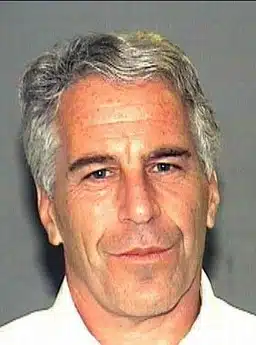
Source: Palm Beach County Sheriff's Department

Source: United States Federal Government

Source: Weill Cornell Medicine
Have you suffered sexual abuse during your time in school or a youth program? You're not alone, and yes, you may have the right to file a lawsuit. This comprehensive guide explores your legal options, statutes of limitations, evidence requirements, and steps to seek justice. As experienced advocates for survivors, we at The Abuse Lawyer NY sexual abuse experts have helped countless individuals navigate these complex cases with compassion and determination.
Sexual abuse in educational or youth settings is a profound betrayal of trust. Schools and youth programs are supposed to be safe havens for learning and growth, yet when abusers exploit their positions—whether teachers, coaches, counselors, or volunteers—the impact can last a lifetime. The good news is that legal systems have evolved to provide avenues for survivors to hold perpetrators and institutions accountable.
Filing a lawsuit is possible if the abuse occurred in such environments, provided certain conditions are met. Key factors include the timing of the abuse relative to statutes of limitations, the nature of the relationship between victim and abuser, and the availability of evidence. Recent legislative changes, like extended lookback windows under the Child Victims Act, have opened doors for many who thought their window had closed.
These laws recognize that trauma often delays reporting. Survivors may suppress memories or fear reprisal for years. Courts now allow claims well beyond traditional deadlines, sometimes reviving expired cases entirely. This shift empowers victims to pursue compensation for medical bills, therapy, lost wages, and pain and suffering.
One of the most common barriers survivors face is the statute of limitations—the deadline to file a lawsuit. Traditionally, these were short: often the age of majority plus a few years. But reforms have transformed this landscape.
For instance, many jurisdictions now offer a 'lookback window' for childhood sexual abuse claims, allowing suits regardless of how much time has passed. If you were abused as a minor in a school or youth program, you might file today, even decades later. Adult victims of abuse by authority figures in these settings also benefit from extended periods, sometimes up to seven years from the discovery of the harm.
Understanding nuances is crucial. Claims against individuals differ from those against institutions, such as schools, which may face negligence suits for failing to prevent or report abuse. Youth programs, including sports leagues, camps, and after-school activities, carry similar liabilities if they ignore red flags or inadequately screen staff.
Timing matters immensely. Consult an attorney promptly to assess your specific timeline. Missing a deadline can bar recovery forever, but acting within windows maximizes leverage for settlements or verdicts.
Abusers in these environments often hold positions of authority, grooming victims over time. Common perpetrators include:
In youth programs—think scouting groups, religious youth groups, or community centers—the pattern repeats. Abusers leverage the program's structure to isolate and manipulate. Institutions may cover up incidents to protect reputations, compounding the harm.
Lawsuits target not just the abuser but also enablers. Proving institutional negligence—failure to train, investigate complaints, or remove threats—significantly strengthens cases.
Success hinges on evidence. Even years later, viable proof exists:
Digital footprints—texts, social media—can corroborate timelines. Expert testimony from psychologists explains delayed disclosure, bolstering credibility.
Attorneys experienced in these matters, like those at Long Island sexual assault lawyer specialists, employ investigators to unearth hidden records and connect with other survivors, revealing cover-ups.
Direct perpetrator suits are straightforward, but institutions bear heavy responsibility. Schools must maintain safe environments under the in loco parentis doctrine, acting as surrogate parents. Youth programs owe similar duties.
Negligence claims succeed when proving:
Many institutions settle quietly to avoid scandal, especially post-reform. Public pressure and lookback windows have yielded multimillion-dollar payouts. For example, dioceses and universities have paid billions in abuse settlements.
Your case could contribute to broader accountability, deterring future failures.
Lawsuits aim to make survivors whole. Damages include:
Average settlements vary widely—hundreds of thousands to millions—based on abuse severity, perpetrator status, and institutional involvement. No cap exists in many intentional tort cases, unlike some personal injury claims.
Structured settlements provide lifelong annuities, ensuring funds for ongoing needs.
Filing involves:
Experienced firms handle everything, often on a contingency basis—no-win, no-fee. This removes financial risk.
Litigation revives pain but also fosters empowerment. Therapy integration is key. Support groups connect you with peers. Many find closure knowing they've protected others.
Attorneys prioritize sensitivity and offer resources such as hotlines and counselors. Learn more about our compassionate approach via our Thomas Giuffra abuse attorney profile.
Child Victims Act and similar reforms have suspended limitations, enabling thousands of new filings. These windows close eventually, so urgency applies. Ongoing advocacy pushes for permanent extensions.
Courts increasingly recognize grooming and institutional complicity, awarding more serious damages.
Myth 1: 'It's too late.' Reforms prove otherwise.
Myth 2: 'No evidence, no case.' Circumstantial proof suffices.
Myth 3: 'Schools are immune.' Sovereign immunity rarely applies to abuse.
Myth 4: 'I'll be blamed.' Victim-blaming is legally disfavored.
General lawyers lack nuance. Specialists like The Abuse Lawyer NY bring:
Thomas Giuffra, Esq., known as The Abuse Lawyer NY, has built a reputation advocating for survivors across abuse types, from child to clergy cases.
1. Document memories, dates, and names.
2. Preserve records.
3. Contact a specialist for a free eval.
4. Seek therapy support.
5. Join survivor networks.
Yes, thanks to extended statutes of limitations and lookback windows under modern child victims legislation. These reforms acknowledge that survivors often need decades to process trauma and come forward. For abuse during minority in school settings, many areas now permit filing at any time during open windows, regardless of age. Even for adults abused by school staff, discovery rules extend timelines from when you fully understood the harm. However, windows can close, so consult an attorney immediately to confirm eligibility. Evidence like records or witnesses remains crucial, but courts are more receptive to delayed claims. Our firm has successfully revived cases thought time-barred, securing justice for clients long after the fact. Don't assume it's too late—professional evaluation is essential.
Absolutely, file; it protects others while seeking your justice. Ongoing employment heightens institutional liability for failing to act. Laws mandate reporting suspicions, and cover-ups amplify negligence claims. Your lawsuit can trigger investigations, potentially leading to removal or charges. Many cases reveal patterns when one survivor speaks out, strengthening collective actions. Attorneys coordinate discreetly to avoid retaliation. Settlements often include non-disclosure, but public pressure drives change. Prioritize safety—temporary orders can restrict contact. Experienced counsel navigates this delicately, balancing urgency with strategy.
No, while helpful, lawsuits succeed on testimony, patterns, and circumstantial evidence. Survivor accounts are powerful, especially when corroborated by witnesses or records showing ignored complaints. Psychological experts testify on trauma effects, explaining the lack of immediate proof. Digital evidence, diaries, or multiple victims build cases. Institutions' internal documents, obtained through discovery, often reveal cover-ups. Our team has won without 'smoking guns' by methodically assembling timelines and credibility. Focus on the details you recall; investigators fill in the gaps.
Yes, target the institution for negligence—poor screening, training failures, or suppressing reports. Schools owe a duty of care; breaches can be proven through policies, emails, and prior incidents. Abuser denials don't negate this; juries hold entities accountable for enabling harm. Many payouts come from institutions alone, as abusers lack assets. Discovery uncovers damning evidence they hid. This approach maximizes recovery.
Comprehensive damages cover therapy, lost wages, pain, suffering—often six to seven figures. Economic losses include lifelong mental health care; non-economic damages address emotional scars. Punitive awards punish gross misconduct. Youth program cases highlight grooming in trusted settings and boost values. Settlements structure payments for stability. No caps in intentional cases ensure full value.
No, reputable firms offer free, confidential consultations. Contingency fees mean no upfront costs—you pay only from winnings, typically 33-40%. These levels provide access for all survivors. We cover expenses like experts, ensuring zero risk. Initial meetings assess case strength, timelines, and strategy.
1-3 years typically, varying by complexity, court backlog, and settlement pace. Discovery and negotiations dominate time. Most resolve pre-trial via mediation. Aggressive firms expedite while maximizing value. Patience yields better outcomes; rushed deals undervalue trauma.
Yes, individuals face personal liability regardless of role. Programs share responsibility for vetting failures. Volunteers' lack of formal status doesn't shield them; direct suits pierce assets or insurance. Programs' deeper pockets often fund defenses/settlements.
Hazing crossing into sexual abuse is actionable, especially at the university level. Claims target perpetrators and organizations for oversight lapses. Reforms cover these initiatives gone wrong. Evidence from participants and videos strengthens cases. Explore our hazing resources for specifics.
Counsel protects anonymity through pseudonyms and, where possible, sealed filings. Most settle confidentially. Public trials are rare; media managed. Many clients report that therapy support outweighs stress in terms of empowerment. Your story stays controlled.
If you endured sexual abuse in school or a youth program, know that filing a lawsuit is viable and vital. Reforms empower you, evidence strategies exist, and specialized attorneys stand ready. Contact The Abuse Lawyer NY for your free consultation—reclaim your power and hold abusers accountable. Healing begins with action.
Thomas Giuffra, Esq. - The Abuse Lawyer NY
551 5th Avenue, 29th Floor,
New York, NY 10017
(646) 413-6394
Hours Of Operation
Monday: 24 Hours
Tuesday: 24 Hours
Wednesday: 24 Hours
Thursday: 24 Hours
Friday: 24 Hours
Saturday: 24 Hours
Sunday: 24 Hours
Cases We Handle
Sexual abuse lawyer
Child abuse lawyer
Clergy abuse lawyer
Private boarding school abuse lawyer
Doctor abuse lawyer
Daycare abuse lawyer
Hazing and Bullying abuse lawyer
Massage spa abuse lawyer