Schedule A Call Now
A New York Sexual Abuse Lawyer For Survivors
Over 50 Years Experience \\ Get Help 24/7
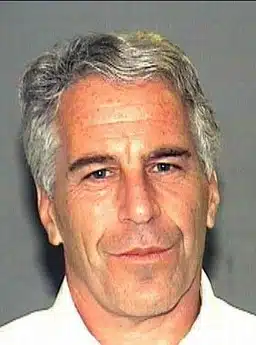
Source: Palm Beach County Sheriff's Department

Source: United States Federal Government

Source: Weill Cornell Medicine
Universities can indeed face liability for hazing involving sexual abuse when they fail to prevent, investigate, or respond adequately to such incidents. This comprehensive guide explores the legal framework, real-world examples, and steps victims can take to seek justice, drawing from extensive legal expertise in handling these sensitive cases.
Hazing represents a pervasive issue within university environments, often disguised as tradition or initiation rituals within student organizations, sports teams, or fraternities. When hazing escalates to include sexual abuse, the consequences become devastating, leading to profound physical, emotional, and psychological trauma for victims. These acts are not mere pranks; they constitute serious violations that universities have a duty to address.
At its core, hazing sexual abuse involves non-consensual sexual acts, harassment, or exploitation imposed as part of group initiation. Victims may endure forced nudity, unwanted touching, sexual humiliation, or even rape, all under the guise of 'bonding.' Such behaviors create hostile environments that undermine the educational mission of universities. Legal precedents establish that institutions bear responsibility when their negligence allows these abuses to occur or persist.
Universities must maintain safe campuses, which includes monitoring student organizations and responding swiftly to reports. Failure to do so opens the door to liability under various legal theories, including negligence, premises liability, and federal statutes like Title IX. Title IX prohibits sex-based discrimination in federally funded education programs, mandating that schools prevent and remedy sexual harassment, including hazing-related abuse.
The intersection of hazing and sexual abuse amplifies the severity. Statistics highlight the scale: reports indicate thousands of hazing incidents annually, with a significant portion involving sexual elements. Victims often suffer long-term effects, including PTSD, depression, anxiety, and academic derailment. Recognizing these patterns is crucial for establishing institutional accountability.
Universities can be held liable if they knew or should have known about hazing risks and failed to act. This negligence doctrine requires proving that the institution had a duty of care, breached it, and that breach caused harm. For hazing and sexual abuse, duties include adequate supervision of events, training for staff, and prompt investigation of complaints.
Key legal avenues include:
Courts examine factors such as prior incidents, warning signs from organizations, and the adequacy of responses. For instance, if a fraternity has a history of sexual hazing and the university does nothing, liability strengthens. Successful cases have resulted in multimillion-dollar settlements, compensating victims for medical bills, therapy, lost education, and pain.
Expert legal analysis reveals patterns: administrators, Title IX coordinators, and security bear responsibility if they mishandle reports. Student organizations themselves may face vicarious liability if leaders orchestrate abuse. This multi-layered accountability ensures comprehensive justice.
Documented cases illustrate how universities face consequences for hazing and sexual abuse. In one prominent instance, a student endured repeated sexual humiliation during fraternity pledging, including forced sexual acts filmed and shared. The university ignored prior complaints, leading to a lawsuit. The court found deliberate indifference under Title IX and awarded substantial damages for the institution's failure to investigate.
Another example involved a sports team hazing ritual with non-consensual groping and exposure. Despite reports to coaches, no action was taken, resulting in an escalation. The victim's suit highlighted the university's negligent supervision, securing a settlement covering lifelong therapy and academic losses.
These cases underscore common failures: delayed investigations, victim-blaming, retaliation against reporters, and superficial disciplinary measures. Patterns emerge where universities prioritize reputation over safety, emboldening abusers. Legal outcomes drive policy overhauls, such as mandatory reporting and bystander training.
From handling numerous such matters, patterns show victims succeeding when evidence includes witness statements, digital records, and institutional communications revealing inaction. These victories not only compensate but deter future negligence.
Building a strong case requires meticulous evidence collection. Victims should document everything: dates, descriptions, witnesses, photos, and communications. Preserve digital evidence, such as texts, emails, or social media posts, that depict hazing.
Key proof elements include:
Investigations often uncover internal emails showing knowledge of risks. Forensic analysis of videos or photos corroborates claims. Medical records link abuse to injuries, bolstering damages.
Experienced counsel navigates complexities, subpoenaing records and deposing officials. Success hinges on demonstrating foreseeability—universities knew hazing was likely and did nothing.
Immediate action protects rights and preserves evidence. First, seek medical and psychological care and request detailed records. Report to campus security, Title IX office, and police simultaneously.
Preserve all evidence without alerting perpetrators, avoiding confrontation. Consult a specialized attorney promptly, as statutes of limitations apply—often 2-3 years, but extended for minors or discoveries.
During Title IX processes, assert rights to advisors and fair hearings. If dissatisfied, pursue civil litigation. Support groups aid emotional recovery, while legal action seeks accountability.
Many victims hesitate due to shame or fear, but anonymity options exist. Early intervention maximizes outcomes, turning trauma into empowerment.
Handling hazing sexual abuse requires attorneys with proven track records in Title IX, negligence, and trauma-informed representation. Survivors of Abuse NY Hazing Sexual Abuse Legal Experts bring deep experience securing justice for victims.
Credentials matter: firms with decades of cases, high settlement values, and recognition in victim advocacy stand out. They understand university tactics such as denial or minimization, countering them with aggressive discovery.
Trustworthy representation involves transparent processes, client-centered approaches, and no upfront fees on contingency. This ensures access for all victims.
To mitigate liability, universities should adopt robust anti-hazing programs: annual training, anonymous reporting hotlines, third-party audits, and severe sanctions for violators. Bystander intervention workshops empower peers to stop abuse.
Regular risk assessments for high-risk groups, clear policies banning sexual hazing, and swift responses build safety cultures. Compliance with Clery Act reporting enhances transparency.
Institutions prioritizing prevention reduce incidents and legal exposure, fostering trust.
Hazing sexual abuse inflicts lasting scars: trust erosion, intimacy issues, substance abuse risks, and career setbacks. Comprehensive recovery blends therapy, support networks, and legal vindication.
Settlements fund treatments like EMDR for PTSD or academic reinstatement. Advocacy transforms pain into reform, preventing future victims.
For Abuse Lawyer NY Premier Victim Advocacy Hub, explore resources tailored to recovery and justice.
Universities deploy defenses such as immunity claims, contributory negligence, and statute arguments. Title IX processes can retraumatize via adversarial hearings. Resource disparities favor institutions.
Overcoming requires strategic litigation, expert witnesses, and public pressure. Wins reshape policies nationwide.
Discover more on related services via Abuse Lawyer NY Confidential Consultation Portal.
Yes, universities can face lawsuits when their negligence contributes to hazing and sexual abuse. Courts hold institutions liable under negligence if they fail to supervise events or ignore warnings about risky organizations. Title IX further imposes duties to prevent sex-based harassment, including hazing rituals with sexual elements. Successful claims require proving that the university knew or should have known of the risks and failed to act reasonably. Evidence such as prior complaints strengthens cases, leading to settlements that cover medical costs, therapy, lost wages, and emotional distress. Victims often secure justice by demonstrating deliberate indifference, such as delayed investigations or inadequate support. Legal experts emphasize documenting everything early to build robust claims against deep-pocketed institutions.
Deliberate indifference occurs when a university shows clear inaction or inadequate response to known hazing sexual abuse risks. Under Title IX, this means officials with authority fail to take effective steps despite actual knowledge. Examples include dismissing reports, not interviewing witnesses, or allowing abusers to remain active. Courts assess response adequacy based on severity, scope, and the safety measures taken for victims. Proving it involves internal records revealing dismissed complaints or policy violations. This standard lowers the burden of proof for victims, enabling liability even without direct university involvement. Remedies include compensatory damages, injunctive relief for policy changes, and attorney fees. Understanding this empowers victims to challenge institutional cover-ups effectively.
Statutes of limitations vary but generally allow 2-3 years from discovery of harm for personal injury claims, with extensions for minors or concealed abuse. Title IX lacks a strict limit, following state tort laws. Prompt filing preserves evidence and prevents defenses like laches. Consult an attorney immediately to evaluate timelines, as universities aggressively contest delays. Many firms offer free evaluations to assess viability without commitment. Acting swiftly also aids Title IX processes, which have 60-day investigation windows. Extended windows in some jurisdictions for sexual abuse survivors recognize trauma's impact on reporting. Strategic timing maximizes leverage in negotiations or litigation.
Strong evidence includes witness statements, photos/videos of incidents, medical records, university emails showing prior knowledge, and policy documents. Digital trails, such as group chats or social posts, corroborate non-consensual acts. Expert reports on trauma and institutional standards add weight. Preserve originals via screenshots or downloads. Subpoenas uncover hidden records. Patterns of ignored complaints prove foreseeability. Victim journals detailing impacts support damages. Comprehensive collection, guided by counsel, overcomes university denials and secures favorable outcomes. Forensic analysis verifies authenticity, countering tampering claims.
Yes, fraternities, sororities, or teams can be liable alongside universities if leaders facilitate or conceal hazing or sexual abuse. Vicarious liability applies when an organization acts as an agent. Universities may indemnify but face joint responsibility. National chapters sometimes contribute to settlements. Suing multiple parties broadens recovery sources. Courts apportion fault based on conduct. This approach holds all enablers accountable, from pledges to alumni advisors. Legal strategies target assets like organizational funds or insurance. Victims benefit from layered claims, maximizing compensation.
Compensation covers economic losses such as medical bills, therapy, tuition, and lost earnings, as well as non-economic damages for pain, suffering, and reputational harm. Punitive awards punish egregious conduct. Settlements often reach six figures, funding long-term recovery. Factors include abuse severity, university response, and trauma documentation. Structured payouts ensure sustained support. Tax-free portions apply to physical injuries. Negotiated resolutions avoid trials while achieving justice. Experienced attorneys maximize values through detailed damage proofs.
Absolutely, men comprise a significant portion of hazing sexual abuse victims, often in sports or fraternity contexts involving forced nudity, groping, or assaults. Title IX protects all genders from sex discrimination. Societal stigmas delay reporting, but cases succeed with evidence. Male victims face unique challenges like minimized claims, yet courts recognize equal harms. Support resources address tailored needs. Advocacy pushes gender-neutral policies. Legal precedents affirm men's rights to justice without bias.
Title IX mandates universities to eliminate sex-based hostile environments, including hazing with sexual components. It requires prompt, equitable investigations and remedies that protect educational access. Violations occur via deliberate indifference. Regulations specify interim measures, such as no-contact orders. Victims can pursue administrative complaints alongside civil suits. Compliance failures lead to damages without funding loss. Training requirements prevent recurrences. This framework empowers survivors against institutional failures.
Prioritize safety and health: seek medical evaluation for injuries and STI testing, starting a record. Report to Title IX, campus police, and external authorities. Avoid discussing details publicly to preserve case integrity. Contact a specialized attorney for guidance. Join support groups for emotional aid. Document all interactions. These steps mitigate trauma and build claims. Professional intervention prevents retaliation and ensures proper processes.
Specialists possess Title IX expertise, university litigation experience, and trauma-sensitive approaches. They navigate complexities like confidential processes and institutional defenses. Proven track records yield higher recoveries. Contingency fees align interests. Holistic support includes therapy referrals. Differentiators include case volumes, settlements, and recognitions. Partnering amplifies victim voices against powerful foes.
Thomas Giuffra, Esq. - The Abuse Lawyer NY
551 5th Avenue, 29th Floor,
New York, NY 10017
(646) 413-6394
Hours Of Operation
Monday: 24 Hours
Tuesday: 24 Hours
Wednesday: 24 Hours
Thursday: 24 Hours
Friday: 24 Hours
Saturday: 24 Hours
Sunday: 24 Hours
Cases We Handle
Sexual abuse lawyer
Child abuse lawyer
Clergy abuse lawyer
Private boarding school abuse lawyer
Doctor abuse lawyer
Daycare abuse lawyer
Hazing and Bullying abuse lawyer
Massage spa abuse lawyer