Schedule A Call Now
A New York Sexual Abuse Lawyer For Survivors
Over 50 Years Experience \\ Get Help 24/7
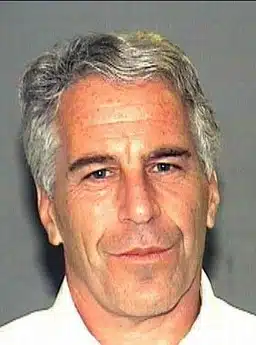
Source: Palm Beach County Sheriff's Department

Source: United States Federal Government

Source: Weill Cornell Medicine
Can institutions be liable for psychiatrist sexual abuse? Yes, institutions such as hospitals, clinics, and mental health facilities can face significant legal responsibility when their psychiatrists engage in sexual abuse. This liability often arises from failures in oversight, hiring practices, or responding to complaints, allowing harm to continue. Victims have successfully held these entities accountable through vicarious liability, negligent supervision, and other legal theories.
In mental health care, trust forms the foundation of the patient-therapist relationship. When that trust is violated by sexual abuse, the consequences extend far beyond the individual perpetrator. Institutions that employ or affiliate with abusive psychiatrists can be held liable if they contributed to or failed to prevent the abuse. This comprehensive guide explores the legal pathways for accountability, drawing on established principles of institutional responsibility in such cases.
Institutions bear a duty to protect patients under their care. When psychiatrists cross ethical and legal boundaries into sexual abuse, the employing or supervising entity may be liable under several doctrines. Vicarious liability, also known as respondeat superior, holds employers responsible for employees' actions within the scope of employment. Even if the abuse occurs during therapy sessions, courts have recognized this as part of job duties, making institutions answerable.
Negligent hiring stands as another key avenue. If an institution employs a psychiatrist with a known history of misconduct without proper vetting, it can be liable. Background checks, reference verifications, and credential reviews are standard expectations. Failure here opens the door to claims that the institution should have foreseen the risk.
Negligent supervision and retention come into play when institutions ignore red flags. Complaints from prior patients, unusual session patterns, or behavioral warnings that go unaddressed can demonstrate negligence. Institutions must implement monitoring protocols, train staff to recognize signs of abuse, and act swiftly on reports.
Premises liability applies if the abuse occurs on institutional grounds, requiring safe environments. Additionally, failure to report known abuse violates mandatory reporting laws, further compounding liability. These theories collectively ensure that institutions cannot evade responsibility by pointing the finger solely at the individual psychiatrist.
Diving deeper, vicarious liability requires proving the abuse happened during employment duties. Therapy sessions, even if exploitative, fall under this umbrella because they occur in professional contexts. Courts have upheld this in numerous precedents, emphasizing the power imbalance in psychiatrist-patient dynamics.
For negligent hiring, plaintiffs must show that the institution did not exercise reasonable care in the selection process. This includes skipping credential verifications from medical boards or ignoring disciplinary records. Real-world examples illustrate how prior complaints at other facilities, if overlooked, lead to successful suits.
Negligent supervision involves demonstrating inadequate oversight. Institutions without clear policies for patient feedback, session logging, or peer reviews expose themselves. Retention negligence occurs when known issues prompt no action, like continuing employment despite internal investigations.
A breach of fiduciary duty adds another layer, as mental health providers owe a heightened standard of care. Institutions sharing this duty through oversight roles can be implicated. Intentional infliction of emotional distress claims may arise from systemic cover-ups, amplifying damages.
These theories interlink, often pursued together for robust cases. Evidence like internal memos, employee testimonies, and patient records builds compelling narratives of institutional complicity.
Building a case demands meticulous evidence gathering. Patient records detailing session notes, complaints, and treatment plans reveal patterns. Witness statements from staff or fellow patients corroborate experiences. Employment files expose hiring lapses or disciplinary histories.
Internal communications, such as emails about complaints, prove knowledge and inaction. Medical board records confirm prior sanctions. Expert testimonies from mental health professionals explain standard practices and deviations.
Digital footprints, including billing records showing excessive sessions, support claims. Institutional policies, if absent or weak, highlight negligence. Discovery processes in litigation uncover hidden documents, strengthening positions.
Survivors' detailed accounts, supported by contemporaneous notes or therapist communications, form the core. Psychological evaluations quantify trauma, linking it to institutional failures. This multifaceted evidence approach maximizes the chances of success.
Pursuing institutions presents hurdles. Power imbalances intimidate reporting. Statutes of limitations vary, though extensions exist for abuse discoveries. Institutions leverage resources to mount aggressive defenses, disputing the scope of employment or claiming independent acts.
Nondisclosure agreements or settlements silence victims, but recent reforms limit these. Proving knowledge requires piercing confidentiality veils. Emotional tolls deter many, yet specialized legal support navigates these barriers.
Insurance complications arise, with policies sometimes excluding intentional acts. However, negligence claims often bypass this. Collective actions or class suits amplify voices against large entities.
Immediate preservation of evidence is crucial: save records, note details, seek medical care. Consulting experienced attorneys early ensures proper filing. Free consultations assess viability without commitment.
Legal teams investigate thoroughly, subpoenaing records and interviewing witnesses. Negotiation phases test settlement offers against trial potentials. Litigation, if needed, employs strategies tailored to institutional defenses.
Parallel reporting to licensing boards triggers investigations, aiding civil claims. Support networks provide emotional backing. Patience and persistence yield results, with many securing substantial compensation.
For specialized guidance on psychiatrist sexual abuse legal support, professional assistance proves invaluable in navigating these complexities.
Cases abound where institutions paid dearly. A prominent hospital settled for millions after negligent supervision allowed repeated abuses. Clinics faced verdicts for ignoring complaints, awarding damages for therapy costs, lost wages, and pain.
Universities affiliated with training programs compensated victims when oversight failed. These outcomes deter negligence and signal accountability. Patterns emerge: inadequate training, poor complaint handling, and retention of flagged providers.
Success stories highlight thorough investigations revealing cover-ups. Juries, empathizing with survivors, impose punitive damages for egregious conduct. These precedents guide current litigation and bolster claims.
Handling these cases requires nuanced knowledge of medical malpractice, abuse laws, and institutional dynamics. Attorneys with track records in psychiatrist abuse excel at dissecting complex evidence. They counter defenses effectively, maximizing recoveries.
Thomas Giuffra, Esq., leading The Abuse Lawyer NY, brings decades of experience representing survivors. His firm has secured justice in numerous sexual abuse matters, emphasizing compassionate, aggressive advocacy.
Expertise includes navigating discovery, selecting expert witnesses, and conducting settlement negotiations. Client-centric approaches prioritize healing alongside compensation. For related insights, explore survivor resources for sexual abuse support.
Victims pursue economic damages: medical bills, therapy, and lost income. Non-economic cover pain, suffering, and emotional distress. Punitive damages punish willful negligence.
Awards range widely, from hundreds of thousands to multimillion-dollar settlements. Factors include abuse duration, impact severity, and institutional size. Structured payouts ensure long-term security.
Contingency fees align interests, with no upfront costs. Recoveries fund recovery, holding wrongdoers accountable.
To mitigate liability, institutions must prioritize robust hiring: thorough background checks, interviews, and references. Training on boundaries, recognition, and reporting is essential.
Clear policies for complaints, independent investigations, and zero-tolerance stances protect all. Regular audits and patient surveys detect issues early. Collaboration with boards ensures compliance.
Culture shifts emphasize safety, reducing risks and liabilities.
Survivor voices drive reforms: extended statutes, mandatory training, better oversight. Advocacy groups push transparency. Legal victories set precedents that influence policies.
Collective efforts amplify change, fostering safer environments.
Yes, under respondeat superior, institutions can be liable for abuses occurring within the scope of employment. Therapy sessions qualify as job duties, even if exploitative. Courts recognize the psychiatrist-patient power dynamic and hold employers accountable for failing to prevent foreseeable harms. Evidence like session logs and institutional policies proves the connection. Successful cases demonstrate that institutions cannot disclaim responsibility by claiming acts were 'personal.' Negligence in supervision amplifies this liability, ensuring comprehensive accountability. Victims recover through these claims, deterring future lapses. Specialized attorneys build these cases meticulously and counter defenses effectively.
Negligent hiring occurs when institutions fail to exercise reasonable care in selecting psychiatrists, overlooking known risks. This includes ignoring disciplinary records, poor references, or complaint histories. Standard practice demands medical board checks, peer verifications, and interviews probing ethics. Failure leads to liability if prior misconduct predicts abuse. Plaintiffs present employment files showing skipped steps. Courts award damages when the connection is clear, emphasizing the patient's safety duties. Institutions mitigate by documenting rigorous processes, but lapses expose them. Legal experts dissect these elements for strong claims.
Negligent supervision involves inadequate monitoring post-hiring. Institutions must train on boundaries, log sessions, and handle complaints promptly. Ignoring red flags such as patient distress or extended appointment times demonstrates negligence. Internal memos or staff testimonies reveal knowledge without action. This theory holds when oversight failures enable the continuation of abuse. Remedies include policy overhauls via settlements. Victims benefit from thorough investigations uncovering systemic issues, leading to accountability and compensation for prolonged trauma.
Statutes vary, but extensions apply for abuse discoveries later due to manipulation or repression. Revival windows allow older claims. Prompt reporting preserves options. Attorneys track deadlines, filing timely. This ensures access to justice despite delays common in psychiatrist cases, where grooming obscures timelines.
Key evidence includes patient records, complaints, staff statements, hiring files, and communications. Expert analyses explain standards breaches. Digital trails like billing bolster patterns. Discovery yields more, building irrefutable cases. Preserving early maximizes strength.
Yes, for medical costs, lost wages, pain, and punitive damages. Awards reflect the impact and the degree of negligence. Settlements are often multimillion-dollar, structured for needs. Contingency basis accesses without fees upfront.
Often, yes, for negligence, though intentional acts are excluded. Policies fund defenses and settlements. Claims pressure insurers, yielding resolutions. Experts negotiate optimal terms.
Experts testify on standards, deviations, and trauma causation. Psychiatrists and administrators detail expectations. Their credibility shapes outcomes, enabling accurate quantification of damages.
Yes, psychiatrists, institutions, and insurers. Joint liability apportions fault. Comprehensive suits maximize recoveries by addressing the full scope of harm.
Seek specialists with abuse verdicts, resources, and compassion. Track records and client testimonials guide. Free consults assess fit. Experience in institutional fights ensures success.
Institutions can and should be liable for psychiatrist sexual abuse when negligence enables harm. Survivors deserve justice through vigilant legal pursuit. Contacting proven advocates initiates healing and accountability paths.
Thomas Giuffra, Esq. - The Abuse Lawyer NY
551 5th Avenue, 29th Floor,
New York, NY 10017
(646) 413-6394
Hours Of Operation
Monday: 24 Hours
Tuesday: 24 Hours
Wednesday: 24 Hours
Thursday: 24 Hours
Friday: 24 Hours
Saturday: 24 Hours
Sunday: 24 Hours
Cases We Handle
Sexual abuse lawyer
Child abuse lawyer
Clergy abuse lawyer
Private boarding school abuse lawyer
Doctor abuse lawyer
Daycare abuse lawyer
Hazing and Bullying abuse lawyer
Massage spa abuse lawyer