Schedule A Call Now
A New York Sexual Abuse Lawyer For Survivors
Over 50 Years Experience \\ Get Help 24/7
 SCHEDULE A CALL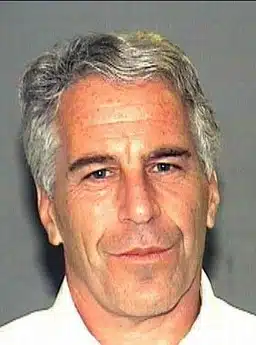
Source: Palm Beach County Sheriff's Department
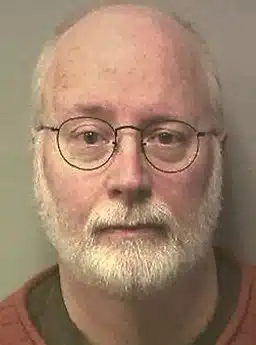
Source: United States Federal Government

Source: Weill Cornell Medicine
Childhood sexual abuse survivors often wonder if it's too late to seek justice years later. The answer is yes—Survivors of Abuse NY Sexual Abuse Lawyers specialize in helping with these complex cases, navigating statutes of limitations, evidence challenges, and emotional hurdles to pursue compensation and accountability.
Surviving childhood sexual abuse leaves deep scars that can last a lifetime. Many victims suppress memories or fear coming forward until decades later. If you're asking whether sexual abuse lawyers can assist with cases from years ago, the resounding answer is yes. Experienced attorneys understand the unique barriers in these situations and have the expertise to build strong claims even when time has passed. This comprehensive guide explores how these lawyers help, drawing on proven strategies and real-world successes in handling delayed-reporting cases.
Childhood sexual abuse involves any sexual activity with a minor, often by someone in a position of trust, like family members, teachers, coaches, or religious leaders. These acts cause profound trauma, including PTSD, depression, anxiety, and relationship difficulties that persist into adulthood. Statistics show that one in nine girls and one in 20 boys experience sexual abuse before age 18, yet most cases go unreported at the time due to shame, fear, or manipulation by abusers.
When survivors come forward years or even decades later, they face skepticism about the reliability of their memories and about legal timelines. However, modern legal frameworks recognize that trauma delays disclosure. Sexual abuse lawyers experienced in these matters know how to substantiate claims using repressed memory evidence, corroborating witness statements, and institutional records. They meticulously document the abuse's long-term impact through psychological evaluations and medical records, proving damages like lost wages, therapy costs, and pain and suffering.
The process begins with a confidential consultation, during which lawyers assess the viability of your case. They review details of the abuse, identify potential defendants (individuals or organizations), and evaluate applicable laws. Importantly, many jurisdictions have extended or eliminated statutes of limitations for childhood sexual abuse, especially against institutions. For instance, look-back windows allow claims to be filed long after the fact, a development driven by high-profile cases that exposed systemic failures.
One major concern is the statute of limitations—the deadline to file a lawsuit. Traditionally, these were short, starting from the abuse or age 18. But reforms have changed this dramatically. Many places now use a "discovery rule," where the clock starts when the survivor realizes the abuse caused their harm, often in adulthood during therapy.
Buffalo NY Sexual Abuse Lawyers have successfully navigated these laws, securing settlements for clients reporting abuse from 20, 30, or more years ago. They stay updated on legislative changes, such as the Child Victims Act, creating revival windows for old cases. Lawyers file motions to toll (pause) the statute if the abuser concealed the crime or if the victim was a minor. In institutional abuse cases, like those involving schools or churches, vicarious liability and failure-to-report doctrines extend timelines.
Beyond statutes, lawyers address evidentiary hurdles. Without physical evidence, they rely on patterns of abuse (multiple victims), the abuser's history, and expert testimony on trauma-induced amnesia. Civil cases, unlike criminal ones, have lower proof burdens (preponderance of evidence vs. beyond a reasonable doubt), making them more viable for old claims. Successful outcomes include multimillion-dollar verdicts against organizations that enabled abusers.
Sexual abuse lawyers bring specialized knowledge to these sensitive matters. They conduct thorough investigations, subpoenaing records from schools, churches, youth groups, or employers to uncover cover-ups. Many firms collaborate with private investigators and forensic psychologists to validate survivor accounts. For example, they might trace the abuser's movements or find diaries, photos, or communications confirming the relationship.
In childhood cases from years ago, lawyers emphasize non-economic damages. Survivors often suffer chronic mental health issues, substance abuse, or career derailment. Expert witnesses quantify these by using life care plans that project future therapy or medical needs. Lawyers also pursue punitive damages to punish egregious conduct, like institutional negligence.
Negotiation is key; most cases settle out of court to avoid trials. Skilled attorneys leverage public pressure and media exposure to force favorable terms. If settlement talks fail, they prepare aggressively for trial, using mock juries to refine strategies. Their goal: maximum compensation covering medical bills, lost income, emotional distress, and more.
Childhood abusers span all walks: family relatives (most common), clergy, coaches, teachers, neighbors, and authority figures. Organizations bear liability if they knew or should have known about risks. Lawyers pursue claims against dioceses for priest abuse, scouting groups for leader misconduct, or schools for staff predation.
Even if the abuser is deceased or judgment-proof, institutions remain viable targets with deep pockets and insurance. Lawyers pierce corporate veils, holding boards accountable for policies that silenced victims. Recent waves of lawsuits have bankrupted some entities, prompting reforms such as mandatory reporting and background checks.
For peer-on-peer abuse (e.g., older siblings or cousins), lawyers examine supervisory failures. In foster care or residential programs, systemic negligence claims arise. Each scenario requires tailored approaches, from RICO suits against networks to premises liability for unsafe environments.
Victims can recover economic damages (therapy, medications, lost earnings) and non-economic damages (pain, humiliation, lost enjoyment). Awards vary but often reach six or seven figures. For instance, cases against religious orders have yielded $1-10 million per victim, factoring abuse severity and institutional complicity.
Lawyers maximize recoveries by aggregating claims in class actions or multidistrict litigation, amplifying leverage. They also secure interim payments for ongoing needs. Most work on contingency—no fees unless you win—ensuring access regardless of finances. This model aligns incentives, motivating aggressive pursuit.
Reliving trauma is daunting, so lawyers partner with counselors specializing in abuse survivors. They coordinate therapy, support groups, and victim advocates. Many firms offer in-house resources or referrals to trauma-informed professionals. The goal: empower survivors to heal while fighting for justice.
Confidentiality protections shield identities, especially vital for public figures or those fearing retaliation. Lawyers manage media, preventing exploitation. Post-resolution, they assist with fund distribution and, if needed, appeals.
Experienced firms boast track records in delayed cases. One firm secured $7.5 million for a survivor abused decades earlier by a coach, using school records and witness corroboration. Another obtained $25 million against a religious institution for covering up serial abuse. These victories demonstrate feasibility, even in the absence of contemporaneous proof.
Lawyers with decades of experience, trial verdicts, and settlements exceeding hundreds of millions build credibility. Their networks yield insider info on defendants' weaknesses, hastening resolutions.
1. Document memories, names, dates, and locations (as best recalled).
2. Preserve evidence like journals or old letters.
3. Contact a specialized lawyer for a free evaluation.
4. Undergo therapy to process emotions.
5. Join survivor networks for solidarity.
Time-sensitive windows exist, so act promptly. Initial consults reveal case strength without commitment.
Not all personal injury attorneys handle abuse cases. Specialists understand nuances like grooming tactics, Stockholm syndrome, and repressed memory science. Their relationships with insurers and defense counsel yield better deals. Board certifications, bar leadership, and peer recognitions signal excellence.
Firms prioritizing survivor voices foster trust. Transparent processes, regular updates, and empathetic handling distinguish top practitioners. Learn more about their contact options for consultations to start your journey.
Yes, sexual abuse lawyers frequently handle childhood cases from years or decades ago. Legal reforms, such as extended statutes of limitations and discovery rules, allow claims when survivors recognize harm in adulthood. Lawyers gather corroborative evidence such as institutional records, pattern complaints from other victims, and expert psychological testimony on trauma-delayed reporting. They navigate look-back windows and tolling provisions effectively. For example, many have won multimillion-dollar settlements in cases that are 30+ years old by proving institutional cover-ups. The civil burden of proof favors survivors, focusing on the balance of probabilities. Contingency fees make it accessible. If your abuse occurred long ago, a consultation assesses specific timelines and strategies tailored to your situation. Prompt action preserves options amid evolving laws.
Statutes vary but have liberalized significantly for childhood sexual abuse. Many jurisdictions suspend limits until age 30-55 or start the clock upon discovery of injury. Revival laws open windows for past cases, often 1-3 years. Lawyers track these and file amicus briefs for extensions if needed. In institutional cases, equitable tolling applies for concealment or duress. Criminal statutes differ, but civil suits offer broader access. Successful precedents show claims viable 40+ years post-abuse. Consult an expert to confirm applicability, as missing deadlines bar recovery. They analyze your facts against current statutes for maximum viability.
Lawyers rely on circumstantial evidence: survivor testimony bolstered by experts on memory reliability and trauma; records showing abuser access and complaints; witness accounts of behavioral changes or disclosures; patterns via other victims. Psychological evaluations document impacts like PTSD. Institutional failures (such as ignored reports and reassignments) establish liability. Digital forensics uncovers old emails or logs. Civil standards require only preponderance, not certainty. Verdicts hinge on credible narratives matching known perpetrator behaviors. Thorough investigations yield compelling cases despite the passage of time.
Absolutely—vicarious liability holds employers responsible for negligence like poor hiring, inadequate supervision, or cover-ups. Childhood abuse often involves trusted roles (coaches, clergy), amplifying duties. Lawyers prove actual or constructive knowledge, failure to act. Deep-pocketed defendants fund recoveries even if individuals lack assets. Class actions amplify claims. Reforms mandate reporting, heightening accountability. Settlements routinely exceed millions per victim.
Awards cover economic losses (therapy, lost wages) and non-economic (suffering, humiliation), plus punitives for malice. Amounts range from $100K to $10M+, depending on the duration of the abuse, the perpetrator's status, impacts, and negligence. Life care plans project future needs. Most settle pre-trial; lawyers negotiate aggressively using comparables. No caps in many jurisdictions enhance recoveries. Contingency ensures no upfront costs.
While statutes apply, many windows remain open, especially with reforms. Lawyers advise immediate contact—delays risk loss of evidence or expirations. Free evaluations clarify timelines without obligation. Acting now preserves leverage in negotiations.
Most settle (95%+), but trials occur if defendants resist. Experienced lawyers excel in court, using visuals, experts, and jury selection. Verdicts validate claims, spurring further settlements. Preparation mirrors criminal trials but with plaintiff advantages.
Attorney-client privilege ensures utmost confidentiality. Details stay private unless you consent to disclosure. Protective orders shield identities in filings. Lawyers manage media sensitively. This protects reputations and safety.
Yes, direct perpetrators face personal liability. Family dynamics don't immunize; grooming and authority heighten duties. Assets, insurance pursue recoveries. Related negligence claims may be brought against enablers.
Prioritize safety and therapy for processing. Journal details privately. Contact a specialized lawyer confidentially—they can guide you on evidence preservation and legal options. Support groups aid coping. Avoid confronting abusers alone. Professional navigation empowers justice without added trauma.
In summary, Buffalo Sexual Abuse Lawyers possess the tools to help with childhood sexual abuse cases from years ago, turning pain into accountability. Reach out today for the compassionate guidance you deserve.
Thomas Giuffra, Esq. - The Abuse Lawyer NY
551 5th Avenue, 29th Floor,
New York, NY 10017
(646) 413-6394
Hours Of Operation
Monday: 24 Hours
Tuesday: 24 Hours
Wednesday: 24 Hours
Thursday: 24 Hours
Friday: 24 Hours
Saturday: 24 Hours
Sunday: 24 Hours
Cases We Handle
Sexual abuse lawyer
Child abuse lawyer
Clergy abuse lawyer
Private boarding school abuse lawyer
Doctor abuse lawyer
Daycare abuse lawyer
Hazing and Bullying abuse lawyer
Massage spa abuse lawyer