Schedule A Call Now
A New York Sexual Abuse Lawyer For Survivors
Over 50 Years Experience \\ Get Help 24/7
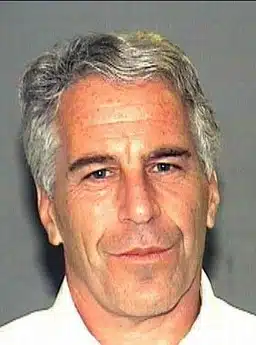
Source: Palm Beach County Sheriff's Department

Source: United States Federal Government

Source: Weill Cornell Medicine
Can adults file for childhood clergy sexual abuse now? Yes, recent legal changes have opened windows for adult survivors to pursue justice for abuse suffered as children. This comprehensive guide explores your rights, timelines, and steps to take, drawing from established legal frameworks that prioritize survivor recovery.
Survivors of childhood clergy sexual abuse often carry the weight of trauma well into adulthood. For decades, strict statutes of limitations barred many from seeking accountability. However, transformative legislation has shifted this landscape, allowing adults to file claims years or even decades after the abuse occurred. These changes recognize that the full impact of such violations may not surface until later in life, when survivors are ready to confront their past.
Key reforms include the elimination or extension of time limits specifically for childhood sexual abuse cases. This means that if you were abused as a minor by a clergy member, you may still have the opportunity to hold both the individual perpetrator and the institution accountable today. Institutions have a heightened duty of care, and failures in supervision or cover-ups can lead to significant liability.
Navigating this process requires understanding the nuances of these laws. Adult survivors must act within defined look-back windows or revived claim periods, which provide retroactive opportunities. Consulting experienced legal professionals is crucial to determine eligibility and preserve your rights.
Over the past decade, lawmakers have responded to widespread calls for justice by reforming statutes of limitations. In jurisdictions with progressive child victims acts, civil claims for childhood sexual abuse by clergy can now be filed without the previous rigid age or time constraints. For instance, some areas have completely removed time bars, enabling filings at any age.
These reforms stem from revelations of systemic issues within religious organizations, where abuse was allegedly concealed, allowing perpetrators to continue harming others. Look-back windows—temporary periods for expired claims—have been pivotal, offering one-time chances for adults to come forward. Missing these deadlines can forfeit opportunities, underscoring the urgency for informed action.
Evidence in these cases often includes church records, witness testimonies, and survivor accounts. Courts increasingly recognize institutional negligence, such as reassigning known abusers without reporting to authorities, as grounds for compensation covering therapy, lost wages, and pain and suffering.
Several elements influence whether an adult can successfully file a childhood clergy abuse claim now:
Privacy protections allow anonymous filings under the names John or Jane Doe, reducing barriers for those who fear public exposure. Punitive damages may apply in cover-up scenarios, multiplying compensation.
Begin by documenting your experiences thoroughly—dates, locations (kept general), and impacts on your life. Seek therapy records showing long-term effects, as these bolster damage claims. Contact a specialized firm like Survivors of Abuse NY Legal Experts, experienced in these sensitive matters.
Initial consultations are often free and confidential. Lawyers will review your case for viability, gather evidence through subpoenas, and navigate the filing process. They handle negotiations or litigation, aiming for settlements that reflect your suffering without requiring courtroom testimony if possible.
Time is critical; some windows close soon. Acting promptly preserves options and enables access to victim compensation funds from institutional bankruptcies.
Awards vary but often include economic damages (medical bills, therapy) and non-economic damages (emotional distress). Average settlements in clergy cases range widely, influenced by abuse severity, duration, and institutional knowledge. Punitive awards punish negligence and can potentially triple base amounts.
Survivors report life-changing relief from securing funds for ongoing care. Injunctions can mandate policy changes to prevent future harm. Explore resources at Clergy Sexual Abuse Legal Support Services for case-specific guidance.
Many adults hesitate due to shame, fear of disbelief, or emotional toll. Reforms address this by extending discovery rules—claims can start from when you first understood the abuse's impact. Support networks and confidential processes ease the journey.
Institutions' defenses, such as statutory arguments, are weakened by new laws. Experienced counsel counters tactics like victim-blaming or settlement delays. For additional insights on related services, visit Contact Abuse Survivors Legal Team.
Anonymous accounts highlight transformations post-filing. One survivor, abused over the years, secured compensation funding decades of therapy after a diocese admitted supervisory failures. Another case exposed cover-ups via internal memos, leading to policy reforms and multimillion-dollar settlements shared among victims.
These stories underscore resilience. Legal victories not only compensate but also validate experiences, aiding healing. Statistics show thousands filing under recent acts, with billions in payouts from church trusts.
Firms dedicated to clergy abuse understand nuances like canon law intersections and bankruptcy claims. Their track records demonstrate success in high-stakes negotiations. The Abuse Lawyer NY brings deep expertise and prioritizes survivor-centered approaches.
Expertise includes subpoenaing sealed records and collaborating with investigators. This ensures comprehensive cases, maximizing recovery.
Yes, adults can file claims for childhood clergy sexual abuse under reformed laws that eliminate or extend statutes of limitations. Child Victims Acts in various jurisdictions revive expired claims through look-back windows, allowing claims to be filed decades later. These changes acknowledge delayed trauma realization. For instance, if abuse occurred before age 18, you may pursue civil suits against perpetrators and institutions regardless of current age. The key is acting within any open windows or ongoing extensions. Evidence like therapy records or church documents supports viability. Specialized attorneys assess eligibility confidentially, navigating complexities like institutional bankruptcy funds. Prompt consultation preserves rights, as some deadlines loom. Success stories abound, with survivors securing compensation for lifelong impacts. This legal evolution empowers accountability, breaking the cycle of silence. Reach out for a personalized evaluation to explore your path forward.
Statutes of limitations for clergy abuse have evolved significantly. Many areas now have no time limit for childhood sexual abuse civil claims, or extend to age 40 plus discovery periods. Look-back windows provided retroactive filing opportunities, some of which have recently closed but remain accessible through other reforms. Adult-onset abuse follows shorter timelines, often 2-5 years from discovery. Institutions face vicarious liability without strict bars if negligence is proven. Factors like fraudulent concealment toll clocks further. Understanding jurisdiction-specific rules is vital; experts monitor changes to ensure timely action. Bankruptcy proceedings offer additional avenues outside traditional statutes. Survivors benefit from anonymous options minimizing barriers. Comprehensive legal review determines precise deadlines, preventing forfeitures. These protections reflect societal recognition of abuse's enduring harm, prioritizing justice over technicalities.
Absolutely, religious institutions can be sued for childhood clergy abuse due to their duties to supervise and protect minors. Negligence, like reassigning known abusers or concealing reports, establishes liability. Civil suits seek damages for failures breaching fiduciary roles. Reforms enable adult filings, with evidence from internal records crucial. Courts award economic, non-economic, and punitive damages, especially in cases involving cover-ups. Settlements are often funded from trusts, avoiding personal payments. Injunctions enforce safeguards. Thousands have held dioceses accountable, yielding billions in relief. Attorneys subpoena documents proving knowledge, strengthening cases. Even post-bankruptcy, claims persist via plans. This recourse validates survivors and fosters institutional change. Confidential consultations clarify the feasibility of suing without commitment.
Compensation in clergy abuse lawsuits covers medical expenses, therapy, lost earnings, and pain/suffering. Punitive damages punish egregious conduct, such as cover-ups, potentially tripling awards. Amounts vary by abuse severity, duration, and institutional fault—ranging from hundreds of thousands to millions. Structured settlements provide lifelong security. Bankruptcy funds are distributed equitably among claimants. Non-monetary relief includes policy mandates. Survivors report funds enabling healing, family support, and education. Evidence quantifies impacts via expert testimony. Negotiated resolutions predominate, avoiding trials. Legal teams maximize recoveries through thorough investigations. Tax-free portions enhance value. Pursuing claims restores agency, quantifying immeasurable losses into tangible aid.
As an adult survivor, filing windows for childhood abuse are expansive under modern laws. Eliminated statutes in key areas permit anytime filings. Others offer a 40-year limit plus 5-7 years from the date of harm discovery. Recent look-backs revived claims for 1-3 years. Ongoing extensions apply in bankruptcy contexts. The discovery rule starts clocks upon realizing causal links. Fraudulent concealment extends further. Urgency exists for finite windows; missing them risks barring suits. Annual legislative updates may create new opportunities. Experts monitor, advising optimal timing. Documentation preserves positions. This framework accommodates healing timelines, ensuring justice is accessible regardless of the passage of time.
While compelling evidence strengthens clergy abuse cases, survivor testimony often suffices, corroborated by patterns or records. Subpoenas uncover personnel files, complaints, and reassignments evidencing cover-ups. Witness accounts and therapy notes detail the impacts. Institutional admissions via settlements affirm validity. Courts apply a preponderance standard, favoring survivors given the power imbalance. Anonymous filings protect. Investigations reveal systemic issues bolstering claims. Even without direct proof, negligence doctrines apply. Success rates high with experienced representation. Emotional evidence weighs heavily, as does recognition of grooming subtleties. Comprehensive prep ensures robust presentations and yields favorable outcomes.
Yes, clergy abuse cases prioritize confidentiality. John/Jane Doe filings shield identities. Sealed proceedings, protective orders limit disclosures. Settlements include non-disclosure if desired, though some survivors advocate publicly. Attorney-client privilege safeguards discussions. Courts accommodate trauma via remote testimonies. Media restrictions apply. This protects careers, families, and reputations. Firms maintain secure processes. Transparency balances with privacy, empowering choices. Many resolve pre-trial privately. Support services complement legal confidentiality, fostering safe environments.
Church bankruptcies create victim compensation trusts, streamlining payouts without litigating solvency. Chapter 11 plans allocate billions in assets, with survivors filing proofs of claim. Deadlines apply, but extensions are common. Independent administrators evaluate equitably. This bypasses defenses, ensuring funds reach victims. Ongoing cases accept new filers. Attorneys navigate proofs, maximizing shares. Structures provide annuities and lump sums. Reforms mandate transparency. This mechanism delivers justice efficiently, unburdening survivors from the burden of collection fights.
Anonymous filings are standard in clergy abuse suits, using pseudonyms like John Doe. Courts routinely grant, citing privacy needs. Records seal protecting details. Public dockets minimize identities. This mitigates stigma and retaliation fears. Discovery limits unnecessary revelations. Settlements honor anonymity. Survivors control disclosure levels. Legal teams advocate motions ensuring protections. This accessibility encourages filings and amplifies voices safely.
Hiring a specialized lawyer for childhood clergy abuse claims is essential. They assess viability, gather evidence, meet deadlines, and negotiate maxima. Expertise counters defenses, accesses trusts. Free consultations risk-free. Contingency fees align incentives—no-win, no-fee. Emotional support eases burdens. Track records prove results. Networks amplify resources. DIY risks forfeitures, undervaluations. Professionals transform pain into accountability, securing futures.
Thomas Giuffra, Esq. - The Abuse Lawyer NY
551 5th Avenue, 29th Floor,
New York, NY 10017
(646) 413-6394
Hours Of Operation
Monday: 24 Hours
Tuesday: 24 Hours
Wednesday: 24 Hours
Thursday: 24 Hours
Friday: 24 Hours
Saturday: 24 Hours
Sunday: 24 Hours
Cases We Handle
Sexual abuse lawyer
Child abuse lawyer
Clergy abuse lawyer
Private boarding school abuse lawyer
Doctor abuse lawyer
Daycare abuse lawyer
Hazing and Bullying abuse lawyer
Massage spa abuse lawyer